

As a reliable anti - wear hydraulic fluid supplier, I often encounter a fundamental question from our customers and potential partners: Can anti - wear hydraulic fluid be recycled? This is a crucial topic, not only from an environmental perspective but also in terms of cost - effectiveness and resource management. In this blog, I will delve into the science behind anti - wear hydraulic fluid recycling, its feasibility, benefits, and challenges.
The Composition of Anti - Wear Hydraulic Fluid
Before discussing recycling, it's essential to understand what anti - wear hydraulic fluid is made of. Anti - wear hydraulic fluids are engineered lubricants designed to reduce friction, prevent wear, and protect hydraulic systems from corrosion and oxidation. They typically contain a base oil, which is the primary component, along with various additives. The base oil can be mineral oil, synthetic oil, or a biodegradable oil. Additives include anti - wear agents, antioxidants, corrosion inhibitors, and detergents, each playing a specific role in enhancing the fluid's performance.
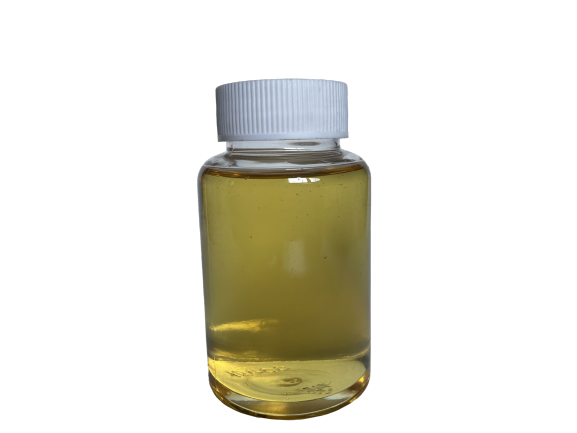
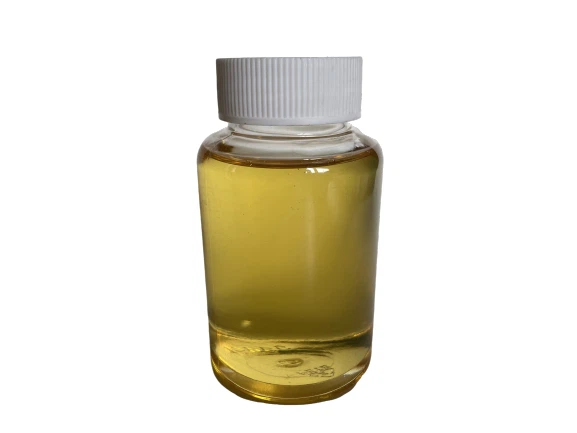
For instance, our Anti Wear Hydraulic Oil HM46# and Anti Wear Hydraulic Oil HM100# are formulated with high - quality base oils and a balanced additive package to ensure optimal performance in different hydraulic systems. The anti - wear agents in these fluids form a protective film on metal surfaces, reducing wear and extending the service life of hydraulic components.
The Feasibility of Recycling Anti - Wear Hydraulic Fluid
The short answer is yes, anti - wear hydraulic fluid can be recycled. Recycling is based on the principle that the base oil in the fluid can be reclaimed and the additives can be replenished. Over time, hydraulic fluid degrades due to factors such as heat, oxidation, contamination by dirt, water, and metal particles, and mechanical shear. However, the base oil, which makes up the majority of the fluid, remains relatively stable and can be restored to a usable state.
The recycling process typically involves several steps. First, the used fluid is collected and transported to a recycling facility. At the facility, the fluid undergoes a series of purification processes, including filtration to remove solid particles, dehydration to remove water, and distillation to separate the base oil from other contaminants. After purification, the base oil is tested, and the necessary additives are added to restore its performance characteristics.
Benefits of Recycling Anti - Wear Hydraulic Fluid
Environmental Benefits
Recycling anti - wear hydraulic fluid significantly reduces the environmental impact associated with the disposal of used oil. Improper disposal of used hydraulic fluid can lead to soil and water pollution. By recycling, we conserve natural resources as less crude oil needs to be refined to produce new hydraulic fluid. It also reduces the energy consumption and greenhouse gas emissions associated with the refining process.
Economic Benefits
From an economic perspective, recycling is a cost - effective solution. The cost of recycling is generally lower than the cost of producing new hydraulic fluid from virgin materials. For businesses, using recycled hydraulic fluid can result in significant cost savings, especially for large operations that consume a substantial amount of fluid. Additionally, recycling can create jobs in the recycling industry, contributing to local economic development.
Performance Benefits
Recycled anti - wear hydraulic fluid can perform as well as new fluid when properly recycled and re - formulated. Our Anti Wear Hydraulic Oil can be recycled and restored to meet the same high - quality standards as our brand - new products. This ensures that hydraulic systems continue to operate smoothly and efficiently without any compromise in performance.
Challenges of Recycling Anti - Wear Hydraulic Fluid
Despite the many benefits, there are also challenges associated with recycling anti - wear hydraulic fluid. One of the main challenges is contamination. Used hydraulic fluid can be contaminated with a wide range of substances, including dirt, metal particles, water, and chemical by - products. Removing these contaminants requires advanced purification technologies, which can be expensive to implement.
Another challenge is the variability of used fluid. Different hydraulic systems may use different types of hydraulic fluid, and the degree of degradation can vary widely. This makes it difficult to develop a one - size - fits - all recycling process. Quality control is also a concern, as recycled fluid must meet strict performance standards to ensure its suitability for use in hydraulic systems.
Our Role as a Supplier
As a leading anti - wear hydraulic fluid supplier, we are committed to promoting the recycling of our products. We provide our customers with information on proper fluid management and recycling options. We work closely with recycling partners to ensure that used fluid is collected and recycled in an environmentally responsible manner.
In addition, we are constantly researching and developing new technologies to improve the performance and recyclability of our anti - wear hydraulic fluids. Our goal is to provide high - quality, sustainable products that meet the needs of our customers while minimizing the environmental impact.
Contact Us for Recycling and Procurement
If you are interested in learning more about anti - wear hydraulic fluid recycling or are looking to purchase our high - quality anti - wear hydraulic fluids, we encourage you to reach out to us. We can provide you with detailed information on our products, recycling processes, and how they can benefit your business. Start a conversation with us today to explore how we can meet your hydraulic fluid needs and contribute to a more sustainable future.
References
- ASTM International. (Year). Standard guide for evaluation of used lubricating oils.
- Society of Tribologists and Lubrication Engineers. (Year). Handbook of lubrication and tribology - Volume III: Applications.
- Environmental Protection Agency. (Year). Regulations on used oil management.


