

Hey there! As a cutting oil supplier, I often get asked a bunch of questions about where and how our products can be used. One question that pops up quite a bit is, "Can cutting oil be used in broaching operations?" Well, let's dive right into it and find out.
First off, let's talk a bit about what broaching is. Broaching is a machining process that uses a toothed tool, called a broach, to remove material from a workpiece. It's a pretty precise and efficient way to create complex shapes, like keyways, splines, and holes with non - circular cross - sections. The broach moves linearly against the workpiece, and with each tooth, a small amount of material is removed.
Now, why would we even consider using cutting oil in broaching operations? There are several good reasons.
One of the main benefits of using cutting oil in broaching is lubrication. When the broach teeth come into contact with the workpiece, there's a lot of friction. This friction can cause the broach teeth to wear out quickly. Cutting oil acts as a lubricant between the broach and the workpiece, reducing friction. With less friction, the broach teeth last longer, which means you don't have to replace them as often. This can save you a significant amount of money in the long run.
Another important aspect is cooling. The broaching process generates a lot of heat. High temperatures can damage both the broach and the workpiece. The cutting oil helps to dissipate this heat. It absorbs the heat from the cutting zone and carries it away, keeping the temperature under control. This not only protects the broach but also ensures that the workpiece doesn't get warped or damaged due to excessive heat.
Cutting oil also helps with chip removal. As the broach cuts through the material, chips are produced. If these chips aren't removed properly, they can get in the way of the cutting process, causing problems like poor surface finish and even damage to the broach. The cutting oil flushes the chips away from the cutting zone, allowing the broach to work smoothly.
But not all cutting oils are created equal when it comes to broaching operations. You need to choose the right type of cutting oil based on the material of the workpiece and the broach. For example, if you're broaching a hard material like stainless steel, you'll need a cutting oil with high lubricity and anti - wear properties. On the other hand, if you're working with a softer material like aluminum, a lighter - duty cutting oil might be sufficient.
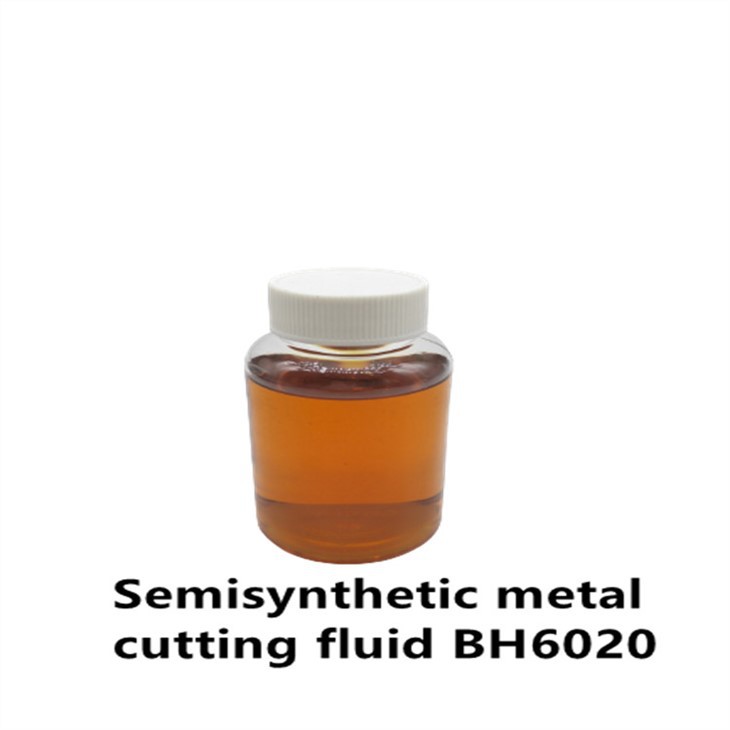
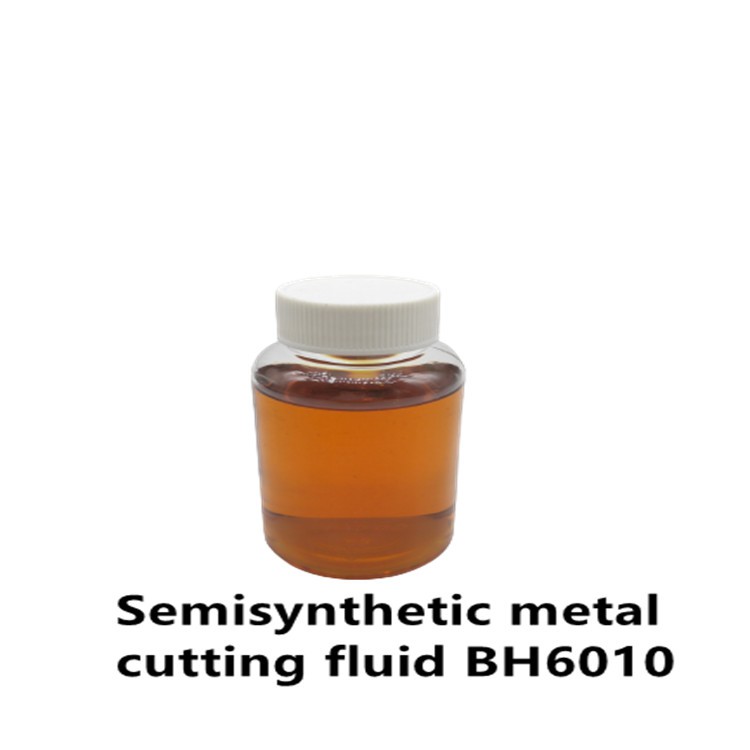
Let me tell you about our Metal Cutting Oil. It's a high - performance cutting oil that's designed to meet the demands of various machining processes, including broaching. This cutting oil has excellent lubrication properties, which means it can significantly reduce friction between the broach and the workpiece. It also has great cooling capabilities, so it can keep the temperature in the cutting zone at a safe level. And when it comes to chip removal, it does a fantastic job of flushing the chips away, ensuring a smooth and efficient broaching process.
We've had a lot of customers who have used our cutting oil in their broaching operations, and they've reported some amazing results. They've noticed a significant increase in the lifespan of their broaches, which has led to cost savings. The surface finish of the workpieces has also improved, which is important for applications where the appearance and precision of the final product matter.
However, there are a few things to keep in mind when using cutting oil in broaching. You need to make sure that you're applying the cutting oil correctly. The oil should be applied evenly to the cutting zone. You can use different methods for application, such as flood cooling, where the cutting oil is continuously sprayed onto the broach and the workpiece, or mist cooling, which uses a fine mist of cutting oil.
You also need to maintain the quality of the cutting oil. Over time, the cutting oil can get contaminated with chips, dirt, and other debris. This can reduce its effectiveness. You should regularly filter the cutting oil to remove these contaminants and replenish it when necessary.
In addition, safety is always a concern when working with cutting oils. You need to follow the proper safety procedures. Make sure that the work area is well - ventilated to avoid inhaling any fumes from the cutting oil. And wear appropriate personal protective equipment, like gloves and goggles.
So, to answer the question, "Can cutting oil be used in broaching operations?" The answer is a resounding yes! Cutting oil can bring many benefits to the broaching process, including better lubrication, cooling, and chip removal. And if you're looking for a high - quality cutting oil for your broaching operations, our Metal Cutting Oil is a great choice.
If you're interested in learning more about our cutting oil or want to discuss your specific broaching needs, don't hesitate to reach out. We're always happy to help you find the right solution for your machining operations. Whether you're a small workshop or a large manufacturing plant, we can provide you with the cutting oil that will improve the efficiency and quality of your broaching processes.
References:
- Machining Handbook: A comprehensive guide to various machining processes, including broaching.
- Industry reports on cutting oil applications in machining operations.


