

In the realm of machining, the pursuit of enhanced tool performance and longevity is a constant endeavor. One question that often arises is whether cutting oil can improve the wear resistance of cutting tools. As a cutting oil supplier, I have witnessed firsthand the impact of high - quality cutting oils on tool life and performance. In this blog, we will delve into the science behind cutting oils and their role in enhancing the wear resistance of cutting tools.
The Basics of Cutting Tool Wear
Before we explore the role of cutting oil, it is essential to understand the types of wear that cutting tools typically experience. There are three main types of cutting tool wear: abrasion, adhesion, and diffusion.
Abrasion is the most common type of wear. It occurs when hard particles in the workpiece material rub against the cutting edge of the tool, gradually wearing it down. These particles can be fragments of the workpiece, built - up edge material, or even contaminants in the cutting environment.
Adhesion wear happens when the workpiece material sticks to the cutting tool. As the tool moves through the workpiece, these adhered materials can be torn away, taking bits of the tool material with them. This type of wear is particularly prevalent in high - temperature and high - pressure cutting conditions.
Diffusion wear is a more complex process. It occurs at high temperatures when atoms from the tool material diffuse into the workpiece material and vice versa. This diffusion changes the chemical composition of the tool's cutting edge, weakening it and leading to accelerated wear.
How Cutting Oil Works
Cutting oil serves several crucial functions during the machining process, all of which contribute to reducing tool wear.
Lubrication
One of the primary functions of cutting oil is lubrication. By forming a thin film between the cutting tool and the workpiece, the oil reduces the friction between the two surfaces. This reduction in friction has several benefits. Firstly, it decreases the amount of heat generated during cutting. Since high temperatures can accelerate all types of tool wear, especially diffusion wear, keeping the temperature down is vital for tool longevity. Secondly, less friction means that the cutting forces are reduced. Lower cutting forces result in less mechanical stress on the tool, reducing the likelihood of chipping or breakage.
Cooling
Cutting oil also acts as a coolant. During the machining process, a significant amount of heat is generated due to the deformation of the workpiece material and the friction between the tool and the workpiece. Cutting oil absorbs this heat and carries it away from the cutting zone. By maintaining a lower temperature in the cutting area, the oil helps to prevent thermal damage to the tool. For example, high temperatures can cause the tool material to lose its hardness, making it more susceptible to wear.
Chip Removal
Another important function of cutting oil is chip removal. As the cutting tool cuts through the workpiece, chips are formed. If these chips are not removed efficiently, they can interfere with the cutting process, causing additional wear on the tool. Cutting oil helps to flush the chips away from the cutting zone, ensuring a smooth cutting operation.

Scientific Evidence of Cutting Oil Improving Wear Resistance
Numerous studies have been conducted to evaluate the impact of cutting oil on the wear resistance of cutting tools.
Research has shown that the use of cutting oil can significantly reduce the rate of abrasion wear. For example, in a study comparing dry cutting and cutting with oil, the tool life in the oil - lubricated cutting process was found to be several times longer than in dry cutting. The lubricating film provided by the cutting oil reduced the direct contact between the hard particles in the workpiece and the cutting edge of the tool, thus minimizing abrasion.
Regarding adhesion wear, cutting oil can prevent the workpiece material from adhering to the tool surface. The oil forms a barrier that reduces the chemical affinity between the tool and the workpiece, making it less likely for the workpiece material to stick to the tool. This has been demonstrated in experiments where tools used with cutting oil showed less built - up edge formation compared to those used in dry cutting conditions.
In the case of diffusion wear, the cooling effect of cutting oil is crucial. By keeping the temperature in the cutting zone low, the rate of atomic diffusion between the tool and the workpiece is reduced. This helps to maintain the integrity of the tool's cutting edge and extends its useful life.
Factors Affecting the Performance of Cutting Oil
While cutting oil can improve the wear resistance of cutting tools, its effectiveness depends on several factors.
Type of Cutting Oil
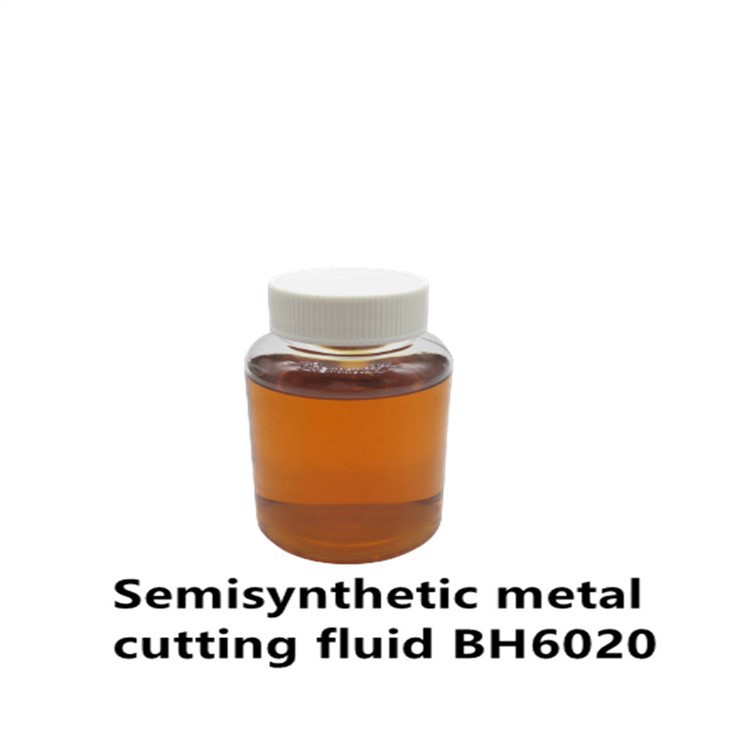
There are different types of cutting oils available, including mineral - based, synthetic, and semi - synthetic oils. Each type has its own properties and performance characteristics. Mineral - based cutting oils are cost - effective and have good lubrication properties. Synthetic cutting oils, on the other hand, offer excellent cooling and anti - wear properties, especially in high - speed and high - precision machining operations. Semi - synthetic cutting oils combine the advantages of both mineral and synthetic oils.
Concentration
If the cutting oil is used in a diluted form (such as in the case of water - miscible cutting oils), the concentration of the oil in the solution is crucial. A too - low concentration may not provide sufficient lubrication and cooling, while a too - high concentration can lead to issues such as poor chip removal and increased cost.
Application Method
The way the cutting oil is applied also affects its performance. Common application methods include flood cooling, mist lubrication, and minimum quantity lubrication (MQL). Flood cooling provides a large amount of oil to the cutting zone, ensuring good cooling and lubrication. Mist lubrication uses a fine mist of oil, which is more efficient in terms of oil consumption. MQL delivers a small amount of oil precisely to the cutting edge, reducing waste and environmental impact.
Real - World Examples
In the real - world machining industry, the use of cutting oil has proven to be a game - changer for many manufacturers. For instance, a precision machining company that produces automotive parts switched from dry cutting to using Metal Cutting Oil. They noticed a significant improvement in the surface finish of the parts and a substantial increase in the tool life. The cutting oil reduced the friction and heat during the machining process, resulting in less wear on the cutting tools and more consistent part quality.
Another example is a manufacturer of aerospace components. They were facing challenges with high tool wear and long machining times due to the difficult - to - machine materials they were using. After implementing a high - performance synthetic cutting oil, they were able to reduce the tool replacement frequency and increase the machining speed. This not only saved them money on tool costs but also improved their overall production efficiency.
Conclusion
In conclusion, cutting oil can indeed improve the wear resistance of cutting tools. Through its lubrication, cooling, and chip - removal functions, cutting oil helps to reduce the three main types of tool wear: abrasion, adhesion, and diffusion. However, to achieve the best results, it is important to choose the right type of cutting oil, maintain the appropriate concentration, and select the most suitable application method.
As a cutting oil supplier, I am committed to providing high - quality cutting oils that can help manufacturers enhance the performance of their cutting tools and improve their machining operations. If you are interested in learning more about our cutting oil products or would like to discuss your specific machining needs, I encourage you to reach out to us for a procurement discussion. We are here to help you find the best cutting oil solution for your business.
References
- Astakhov, V. P. (2010). Metal cutting mechanics. Elsevier.
- Shaw, M. C. (2005). Metal cutting principles. Oxford University Press.
- Stephenson, D., & Agapiou, J. S. (2006). Metal cutting theory and practice. CRC Press.


