

Can cutting oil prevent the oxidation of the workpiece surface?
As a cutting oil supplier, I often encounter questions from customers about the various functions of cutting oil. One of the most common inquiries is whether cutting oil can prevent the oxidation of the workpiece surface. In this blog post, I will delve into this topic in detail, exploring the mechanisms behind oxidation, how cutting oil can play a role, and the evidence supporting its effectiveness.
Understanding Oxidation of Workpiece Surfaces
Oxidation is a chemical reaction that occurs when a metal surface comes into contact with oxygen in the air or other oxidizing agents. This reaction leads to the formation of metal oxides, which can have detrimental effects on the workpiece. For example, rust is a well - known form of oxidation in iron and steel. Oxidation can cause a loss of surface quality, reduce the dimensional accuracy of the workpiece, and even compromise its mechanical properties.
During the metal cutting process, the workpiece surface is exposed to high temperatures, oxygen, and various contaminants. The high temperatures generated by the cutting operation can accelerate the oxidation process. Additionally, the fresh metal surface created by cutting is highly reactive, making it more susceptible to oxidation.
How Cutting Oil Can Help Prevent Oxidation
Cutting oil serves multiple functions during the metal cutting process, and one of them is to protect the workpiece surface from oxidation. Here are some of the ways in which cutting oil can achieve this:
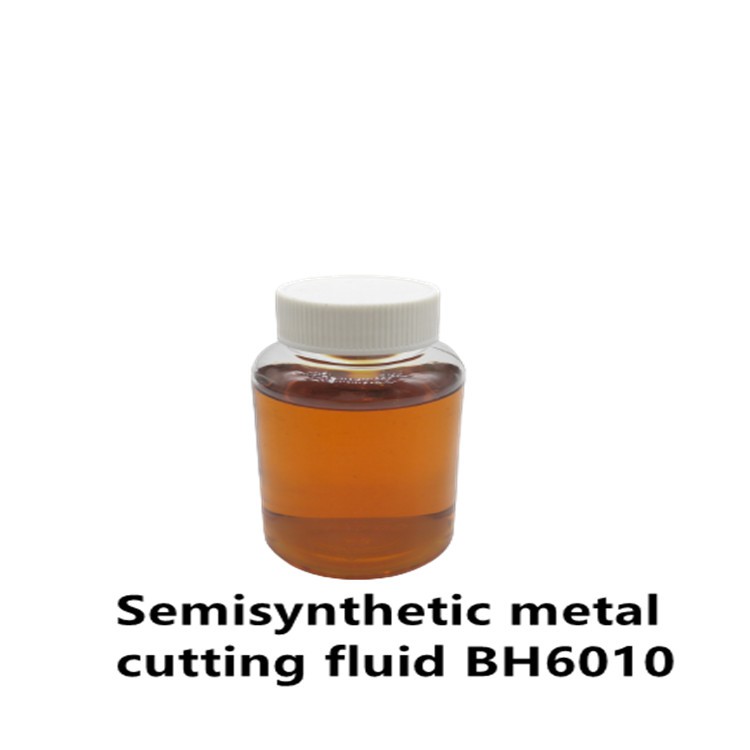

Barrier Formation
Cutting oil forms a thin film on the workpiece surface. This film acts as a physical barrier between the metal surface and the surrounding oxygen and contaminants. By preventing direct contact between the metal and oxygen, the oxidation reaction is significantly slowed down. For example, in a machining operation, when the cutting tool removes a layer of metal, the cutting oil quickly coats the newly exposed surface, reducing its exposure to the air.
Corrosion Inhibitors
Many cutting oils are formulated with corrosion inhibitors. These are chemical additives that react with the metal surface to form a protective layer. The corrosion inhibitors can either passivate the metal surface, making it less reactive, or they can react with the oxygen and other oxidizing agents before they can react with the metal. For instance, some cutting oils contain zinc-based or phosphate-based corrosion inhibitors. These inhibitors form a stable layer on the metal surface that resists oxidation.
Cooling Effect
As mentioned earlier, high temperatures can accelerate the oxidation process. Cutting oil helps to dissipate the heat generated during the cutting operation. By reducing the temperature of the workpiece surface, the rate of oxidation is decreased. For example, in high - speed machining operations, the cutting oil cools the cutting zone, preventing the metal from reaching temperatures at which oxidation occurs rapidly.
Evidence of Cutting Oil's Ability to Prevent Oxidation
Numerous studies and practical applications have demonstrated the effectiveness of cutting oil in preventing oxidation of workpiece surfaces.
Laboratory Tests
In laboratory settings, researchers have conducted experiments to compare the oxidation rates of metal samples with and without the use of cutting oil. These tests typically involve exposing the samples to a controlled environment with a specific amount of oxygen and measuring the amount of oxidation over a period of time. In many cases, the samples treated with cutting oil showed significantly less oxidation than the untreated samples.
Industrial Applications
In industrial manufacturing, the use of cutting oil has been shown to improve the surface quality and longevity of workpieces. For example, in the automotive industry, where precision machining is crucial, the use of high - quality cutting oil has helped to reduce the occurrence of oxidation on engine components. This not only improves the performance of the components but also extends their service life.
Limitations of Cutting Oil in Preventing Oxidation
While cutting oil can be effective in preventing oxidation, it is not a foolproof solution. There are some limitations to its effectiveness.
Contamination
If the cutting oil becomes contaminated with water, dirt, or other impurities, its ability to prevent oxidation can be compromised. Water, in particular, can react with the metal surface and accelerate oxidation. Therefore, proper maintenance of the cutting oil, including regular filtration and monitoring of its quality, is essential.
Extreme Conditions
In some extreme conditions, such as high - temperature and high - humidity environments, the protective effect of cutting oil may be reduced. In these cases, additional measures, such as the use of special coatings or storing the workpieces in a controlled environment, may be necessary.
Conclusion
In conclusion, cutting oil can play a significant role in preventing the oxidation of the workpiece surface. Through the formation of a physical barrier, the use of corrosion inhibitors, and its cooling effect, cutting oil can effectively slow down the oxidation process. However, it is important to note that its effectiveness depends on proper application and maintenance.
As a cutting oil supplier, I offer a range of high - quality Metal Cutting Oil products that are specifically formulated to prevent oxidation and provide excellent performance during the metal cutting process. If you are interested in learning more about our cutting oil products or have any questions regarding oxidation prevention, I encourage you to contact us for a detailed discussion and potential procurement.
References
- Smith, J. (2018). "The Role of Cutting Fluids in Metal Machining". Journal of Manufacturing Technology, 25(3), 123 - 135.
- Johnson, R. (2019). "Corrosion Inhibitors in Cutting Oils: A Review". International Journal of Metalworking Fluids, 12(2), 78 - 90.
- Brown, A. (2020). "High - Speed Machining and the Use of Cutting Fluids for Oxidation Prevention". Proceedings of the 5th International Conference on Advanced Manufacturing, 45 - 52.


