

As a supplier of Metal Cutting Oil TH6050, I often encounter questions from customers about the reusability of this product. This is a crucial topic, not only from an economic perspective but also in terms of environmental sustainability. In this blog, I'll delve into the factors that determine whether Metal Cutting Oil TH6050 can be reused, the processes involved, and the potential benefits and challenges.
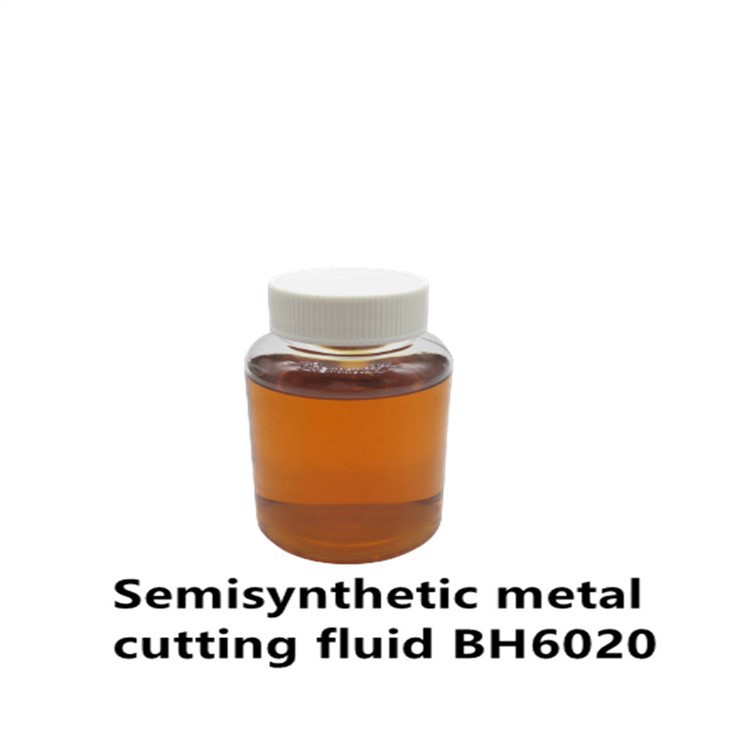

Understanding Metal Cutting Oil TH6050
Before discussing its reusability, let's briefly understand what Metal Cutting Oil TH6050 is. Metal Cutting Oil TH6050 is a high - performance cutting oil formulated to meet the demanding requirements of modern metalworking operations. It provides excellent lubrication, cooling, and anti - wear properties, which help to improve the quality of machined parts, extend tool life, and enhance overall productivity.
Factors Affecting Reusability
Contamination
One of the primary factors that determine whether Metal Cutting Oil TH6050 can be reused is contamination. During the metal cutting process, the oil can become contaminated with various substances such as metal chips, dust, and coolant additives. Metal chips are a common contaminant, and if left in the oil, they can cause abrasion and damage to the cutting tools and the workpiece. Dust can also accumulate in the oil, reducing its lubricating properties. Coolant additives, if mixed inappropriately, can alter the chemical composition of the oil, affecting its performance.
Chemical Degradation
Over time, Metal Cutting Oil TH6050 can undergo chemical degradation due to factors such as heat, oxygen, and the presence of contaminants. Heat generated during the cutting process can cause the oil to oxidize, leading to the formation of sludge and varnish. Oxygen can react with the oil molecules, breaking them down and reducing their effectiveness. Chemical degradation can also be accelerated by the presence of certain metals and contaminants, which can act as catalysts.
Water Content
Water is another factor that can affect the reusability of Metal Cutting Oil TH6050. Water can enter the oil through various means, such as coolant leakage or humidity in the environment. Excessive water content in the oil can cause corrosion of the cutting tools and the workpiece, as well as promote the growth of bacteria and fungi. This can lead to unpleasant odors, reduced lubrication, and increased wear on the cutting tools.
Processes for Reusing Metal Cutting Oil TH6050
Filtration
Filtration is one of the most common methods for reusing Metal Cutting Oil TH6050. It involves passing the oil through a filter to remove solid contaminants such as metal chips and dust. There are different types of filters available, including mechanical filters, which use a physical barrier to trap contaminants, and magnetic filters, which use magnets to attract and remove ferrous particles. Filtration can significantly improve the quality of the oil and extend its service life.
Centrifugation
Centrifugation is another effective method for treating contaminated Metal Cutting Oil TH6050. It uses centrifugal force to separate the oil from solid and liquid contaminants. The oil is spun at high speeds in a centrifuge, causing the heavier contaminants to settle at the bottom while the clean oil rises to the top. Centrifugation can remove fine particles and water from the oil, improving its purity and performance.
Chemical Treatment
In some cases, chemical treatment may be required to restore the properties of Metal Cutting Oil TH6050. This can involve adding additives to the oil to neutralize acids, prevent oxidation, and improve lubrication. Chemical treatment should be carried out carefully, as improper use of additives can cause more harm than good. It is essential to follow the manufacturer's recommendations when using chemical additives.
Benefits of Reusing Metal Cutting Oil TH6050
Cost Savings
Reusing Metal Cutting Oil TH6050 can result in significant cost savings for metalworking companies. Instead of constantly purchasing new oil, companies can treat and reuse the existing oil, reducing their overall oil consumption. This can lead to lower procurement costs, as well as savings on waste disposal fees.
Environmental Sustainability
From an environmental perspective, reusing Metal Cutting Oil TH6050 is a more sustainable option. It reduces the amount of oil that needs to be produced, which in turn conserves natural resources. Additionally, reusing the oil reduces the amount of waste oil that needs to be disposed of, minimizing the environmental impact associated with oil disposal.
Improved Performance
When properly treated, reused Metal Cutting Oil TH6050 can maintain its performance characteristics. This means that companies can continue to achieve high - quality machining results without sacrificing productivity or tool life. Reusing the oil also helps to ensure a consistent supply of oil with the desired properties, which is essential for maintaining the quality of the machined parts.
Challenges of Reusing Metal Cutting Oil TH6050
Initial Investment
Implementing a system for reusing Metal Cutting Oil TH6050 requires an initial investment in equipment such as filters, centrifuges, and chemical treatment systems. These costs can be significant, especially for small and medium - sized metalworking companies. However, the long - term cost savings and environmental benefits often outweigh the initial investment.
Technical Expertise
Reusing Metal Cutting Oil TH6050 requires technical expertise to ensure that the treatment processes are carried out correctly. Companies need to have trained personnel who understand the properties of the oil, the causes of contamination, and the appropriate treatment methods. Lack of technical expertise can lead to improper treatment, which can affect the quality of the oil and the performance of the cutting tools.
Quality Control
Maintaining the quality of reused Metal Cutting Oil TH6050 is crucial. Companies need to establish a quality control system to monitor the properties of the oil regularly. This can involve testing the oil for parameters such as viscosity, pH, and contamination levels. Failure to maintain proper quality control can result in poor machining performance and increased tool wear.
Conclusion
In conclusion, Metal Cutting Oil TH6050 can be reused, but it depends on several factors such as contamination, chemical degradation, and water content. By implementing appropriate treatment processes such as filtration, centrifugation, and chemical treatment, companies can extend the service life of the oil, achieve cost savings, and contribute to environmental sustainability. However, reusing the oil also presents challenges such as initial investment, technical expertise, and quality control.
If you are interested in learning more about Metal Cutting Oil TH6050 or have questions about its reusability, please feel free to contact us for a detailed discussion. We are here to provide you with the best solutions for your metalworking needs.
References
- "Metalworking Fluids: Selection, Use, and Maintenance" by John W. Sutherland et al.
- Technical documentation provided by the manufacturer of Metal Cutting Oil TH6050.
