

As a supplier of Ashless Hydraulic Oil HM68#, I have witnessed firsthand the critical role that this product plays in the efficient operation of hydraulic systems. In particular, understanding how Ashless Hydraulic Oil HM68# impacts the seals in hydraulic systems is of utmost importance for ensuring the longevity and performance of these systems.
Seal Materials and Their Compatibility with Hydraulic Oils
Hydraulic systems rely on seals to prevent the leakage of hydraulic fluid, maintain pressure, and ensure the overall efficiency of the system. Common seal materials include nitrile rubber (NBR), fluorocarbon rubber (FKM), silicone rubber (VMQ), and ethylene - propylene diene monomer (EPDM). Each material has its own properties and characteristics, which affect its compatibility with different types of hydraulic oils.
Nitrile rubber is one of the most widely used seal materials due to its good resistance to oil, abrasion, and compression set. It has a relatively wide temperature range of - 40°C to 105°C, although some special formulations can withstand higher temperatures. Fluorocarbon rubber, on the other hand, offers excellent chemical resistance, high - temperature stability, and resistance to oxidation. It can operate in temperature ranges from - 20°C to 200°C or even higher in some cases.
Silicone rubber has excellent flexibility over a wide temperature range, with good weatherability and electrical insulation properties. However, it has poor resistance to oil and abrasion. Ethylene - propylene diene monomer is suitable for applications where resistance to water, steam, and some chemicals is required, but it may not be as resistant to oils as NBR or FKM.
Ashless Hydraulic Oil HM68# is formulated to have a certain chemical composition that is designed to be compatible with a wide range of seal materials. The ash - free nature of this oil means that it does not leave behind any solid residues that could potentially damage the seals over time. The anti - wear additives in the oil not only protect the moving parts in the hydraulic system but also have an impact on the seals.
Impact of Ashless Hydraulic Oil HM68# on Seal Swelling or Shrinking
One of the most significant impacts of hydraulic oil on seals is the potential for swelling or shrinking. Swelling occurs when the oil causes the seal material to absorb the fluid, increasing its volume. This can lead to problems such as increased friction, difficulty in controlling the movement of system components, and even seal extrusion if the swelling is excessive.
Shrinking, on the contrary, can cause gaps between the seal and the mating surfaces, resulting in fluid leakage. Ashless Hydraulic Oil HM68# is formulated to minimize these problems. Its chemical composition is carefully balanced to ensure that it has a neutral or near - neutral effect on most common seal materials.
For nitrile rubber seals, Ashless Hydraulic Oil HM68# typically causes only minimal swelling within an acceptable range. This is due to the fact that the oil contains additives that prevent excessive penetration into the rubber matrix. The anti - oxidant additives in the oil help to maintain the integrity of the seal material over time, reducing the risk of oxidation - induced swelling or embrittlement.
In the case of fluorocarbon rubber seals, Ashless Hydraulic Oil HM68# has a very low probability of causing swelling or shrinking. Fluorocarbon rubber is highly resistant to chemical attack, and the chemically stable nature of the ash - free oil means that there is little interaction between the two.

Impact on Seal Hardness and Compression Set
Seal hardness is another important property that can be affected by hydraulic oil. Hardening of the seal over time can lead to reduced flexibility, making it less effective in sealing the system. Compression set refers to the permanent deformation of the seal after it has been compressed for a long period. A high compression set means that the seal may not be able to recover its original shape, resulting in leakage.
Ashless Hydraulic Oil HM68# contains anti - wear and anti - oxidation additives that help to preserve the hardness of the seals. These additives form a protective film on the surface of the seals, reducing the physical and chemical damage caused by the hydraulic fluid and the operating environment. By minimizing the accumulation of oxidation products and preventing the degradation of the seal material, the oil helps to maintain the original hardness of the seals.
Regarding compression set, the oil's lubricating properties play a crucial role. Proper lubrication reduces the stress on the seals during compression, preventing excessive deformation. The additives in Ashless Hydraulic Oil HM68# also help to improve the resilience of the seal material, allowing it to recover from compression more effectively and reducing the compression set over time.
Comparison with Other Ashless Hydraulic Oils
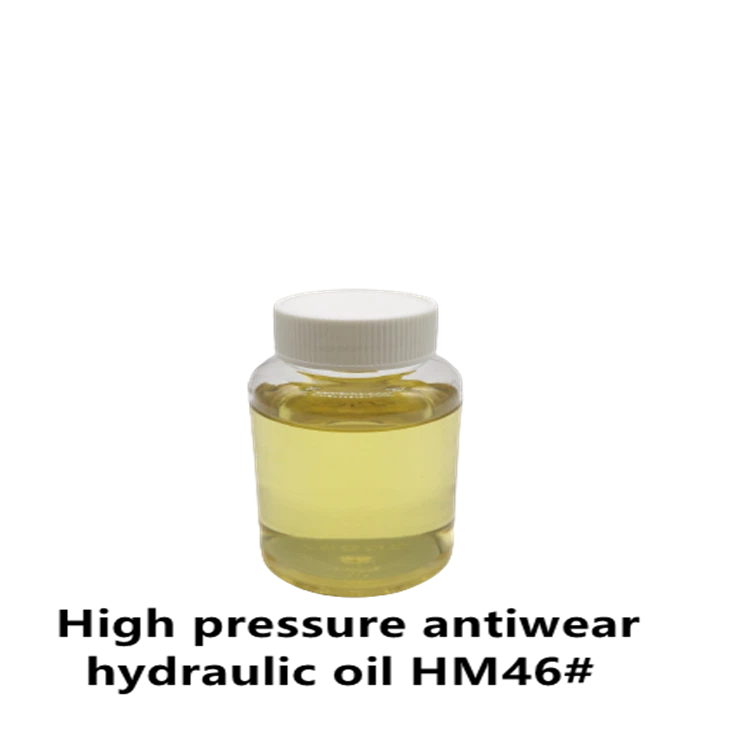
In the market, there are other types of ashless hydraulic oils such as Ashless Hydraulic Oil HM32# and Ashless Hydraulic Oil HM46#. The main difference between these oils lies in their viscosity.
Ashless Hydraulic Oil HM32# has a lower viscosity compared to HM68#. Lower - viscosity oils generally penetrate more easily into the seal material, which may increase the risk of swelling or have a different impact on seal hardness. HM46# has a viscosity between HM32# and HM68#.
Ashless Hydraulic Oil HM68# is a medium - high viscosity oil. Its higher viscosity provides better lubrication at higher pressures and temperatures, which can be beneficial for seals in high - load hydraulic systems. The higher viscosity also means that the oil has a lower tendency to penetrate the seal material compared to lower - viscosity oils, reducing the risk of excessive swelling.
Importance of Using Ashless Hydraulic Oil HM68# for Optimal Seal Performance
Using Ashless Hydraulic Oil HM68# is essential for achieving optimal seal performance in hydraulic systems. Poor - quality hydraulic oils can cause rapid degradation of seals, leading to frequent seal replacements and increased system downtime. By using Ashless Hydraulic Oil HM68#, users can expect longer seal life, reduced maintenance costs, and improved system reliability.
In addition to the direct impact on the seals, the oil's ash - free nature and anti - wear properties contribute to the overall health of the hydraulic system. A well - lubricated hydraulic system with properly functioning seals operates more efficiently, consumes less energy, and has a lower risk of component failure.
Role of Regular Oil Analysis in Managing Seal Health
Regular oil analysis is an important part of managing the health of seals in hydraulic systems using Ashless Hydraulic Oil HM68#. Through oil analysis, it is possible to detect early signs of problems such as contamination, oxidation, and changes in the properties of the oil. For example, if the oil shows signs of excessive oxidation, it may indicate that the seals are also being affected. Oxidation products can cause seal hardening and swelling.
Oil analysis can also help to determine the appropriate time for oil changes. Over - aged or contaminated oil can have a negative impact on the seals. By monitoring the oil's physical and chemical properties regularly, users can ensure that the hydraulic system always operates with clean and effective Ashless Hydraulic Oil HM68#, which in turn helps to maintain the health of the seals.
Contact Us for Procurement and Technical Support
If you are interested in Ash - free Anti - wear Hydraulic Oil HM68# or have any questions about its impact on your hydraulic system's seals, please do not hesitate to contact us. We have a team of experts who can provide you with detailed technical information and advice tailored to your specific needs. Whether you need assistance in selecting the right product, understanding its compatibility with your existing system, or optimizing the performance of your hydraulic system, we are here to help.
References
- O'Connor, John. "Hydraulic Seals Handbook." Elsevier, 2015.
- Rector, Mark. "Lubrication Fundamentals for Hydraulic Systems." Machinery Lubrication, 2018.
- Jones, Sarah. "The Impact of Hydraulic Fluid Properties on Seal Performance." International Journal of Hydraulic Engineering, Vol. 25, No. 3, 2020.


