

When it comes to the maintenance of hydraulic systems, one of the most crucial decisions is determining how often to replace Anti Wear Hydraulic Oil HM46#. As a supplier of Anti Wear Hydraulic Oil HM46#, I understand the significance of this question and aim to provide you with comprehensive insights to help you make an informed decision.
Understanding Anti Wear Hydraulic Oil HM46#
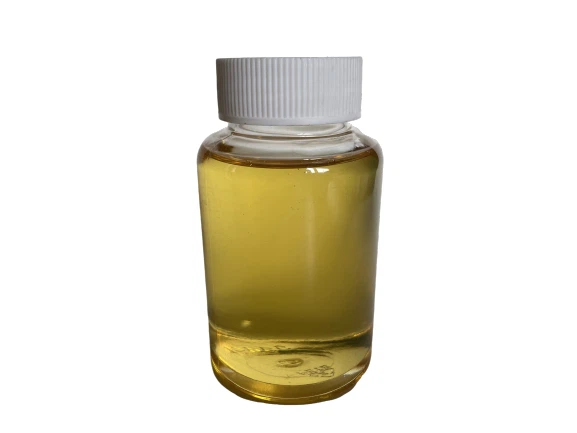
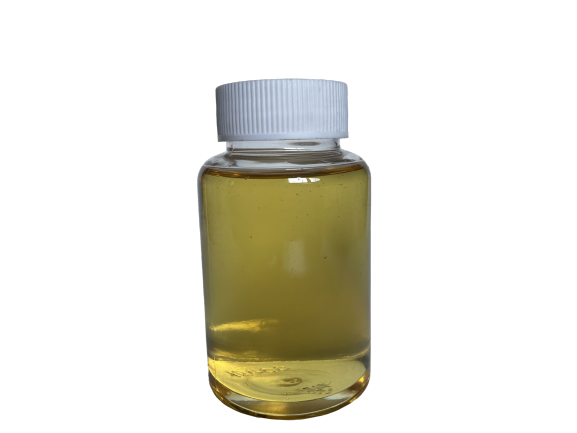
Anti Wear Hydraulic Oil HM46# is a high - performance lubricant specifically designed for hydraulic systems. It contains additives that provide excellent anti - wear protection, oxidation resistance, and demulsibility. These properties ensure smooth operation, reduced wear and tear on hydraulic components, and extended equipment life.
The "HM" in the oil's name indicates that it is an anti - wear hydraulic oil, while the "46" refers to its viscosity grade. Viscosity is a measure of the oil's resistance to flow, and a viscosity grade of 46 means that the oil has a certain thickness at a specific temperature range. This viscosity is suitable for a wide range of hydraulic applications, from small mobile equipment to large industrial machinery.
Factors Affecting the Replacement Interval
Several factors influence how often Anti Wear Hydraulic Oil HM46# should be replaced. Understanding these factors is essential for optimizing the performance and lifespan of your hydraulic system.
Operating Conditions
- Temperature: High operating temperatures can accelerate the oxidation of the oil, causing it to break down more quickly. In hot environments or applications where the hydraulic system generates a lot of heat, the oil may need to be replaced more frequently. For example, in a hydraulic press used in a foundry where the ambient temperature is high, the oil might degrade faster compared to a system operating in a cooler environment.
- Contamination: Contaminants such as dirt, water, and metal particles can enter the hydraulic system and degrade the oil. Dust and debris can cause abrasive wear on hydraulic components, while water can lead to corrosion and the formation of sludge. If the hydraulic system is exposed to a dirty or wet environment, more frequent oil changes may be necessary. For instance, in a construction site where heavy equipment is constantly exposed to dust and mud, the oil is more likely to get contaminated.
Equipment Usage
- Frequency of Use: Systems that are used continuously or at high - load conditions will put more stress on the oil. A hydraulic system in a 24/7 manufacturing plant will experience more wear and tear on the oil compared to a system that is only used occasionally, like a hydraulic lift in a small workshop.
- Duty Cycle: The duty cycle of the hydraulic system, which refers to the ratio of operating time to idle time, also affects the oil's lifespan. Systems with a high - duty cycle, such as those in a continuous - production conveyor belt system, may require more frequent oil changes.
Oil Quality
- Initial Quality: The quality of the Anti Wear Hydraulic Oil HM46# you start with matters. High - quality oils from reputable suppliers often have better additives and base stocks, which can withstand more severe operating conditions and last longer. When purchasing oil, it is important to choose a product that meets or exceeds the equipment manufacturer's specifications.
- Additive Depletion: Over time, the additives in the oil that provide anti - wear, antioxidant, and other protective properties will deplete. Once these additives are no longer effective, the oil's performance will decline, and it should be replaced.
General Guidelines for Replacement Intervals
While there is no one - size - fits - all answer to how often Anti Wear Hydraulic Oil HM46# should be replaced, some general guidelines can be followed.
Manufacturer Recommendations
Equipment manufacturers usually provide recommended oil change intervals in the equipment's operation manual. These recommendations are based on extensive testing and are a good starting point. For example, a well - known hydraulic pump manufacturer might recommend changing the Anti Wear Hydraulic Oil HM46# every 2000 - 3000 hours of operation under normal conditions.
Oil Analysis
Regular oil analysis is a valuable tool for determining the actual condition of the oil and when it needs to be replaced. Oil analysis can detect the presence of contaminants, measure the oil's viscosity and acidity, and assess the depletion of additives. By analyzing the oil at regular intervals, you can get a more accurate picture of its condition and adjust the replacement interval accordingly. For example, if the oil analysis shows a high level of contaminants or a significant drop in viscosity, it may be time to change the oil even if the recommended operating hours have not been reached.
In general, under normal operating conditions (moderate temperature, low contamination, and average equipment usage), Anti Wear Hydraulic Oil HM46# can be replaced every 2000 - 4000 hours of operation. However, in more severe conditions, such as high - temperature environments or heavy - load applications, the replacement interval may need to be reduced to 1000 - 2000 hours.
Comparing with Other Anti - Wear Hydraulic Oils
It's worth noting that different viscosity grades and types of anti - wear hydraulic oils may have different replacement intervals. For example, Anti Wear Hydraulic Oil HM68# has a higher viscosity than HM46#. This higher viscosity can provide better lubrication in high - pressure applications but may also be more prone to heat buildup in some cases. As a result, its replacement interval may vary depending on the specific application.
Similarly, Anti Wear Hydraulic Oil HM100# has an even higher viscosity and is suitable for heavy - duty hydraulic systems. The higher viscosity can offer enhanced protection under extreme pressure, but it may also require more careful monitoring of the oil's condition due to the potential for slower flow and increased heat generation.
Importance of Regular Oil Changes
Regularly replacing Anti Wear Hydraulic Oil HM46# is crucial for several reasons.
Equipment Protection
Fresh oil provides optimal lubrication and anti - wear protection for hydraulic components such as pumps, valves, and cylinders. By replacing the oil at the appropriate intervals, you can prevent premature wear and damage to these components, reducing the risk of costly breakdowns and repairs.
System Efficiency
Clean and fresh oil helps maintain the efficiency of the hydraulic system. As the oil ages and becomes contaminated, its ability to transfer power and control the movement of hydraulic actuators decreases. Regular oil changes ensure that the system operates at peak efficiency, reducing energy consumption and improving overall productivity.
Cost Savings
Although oil changes involve some cost, they can actually save you money in the long run. By preventing major equipment failures and extending the lifespan of hydraulic components, you can avoid expensive repairs and replacements. Additionally, a well - maintained hydraulic system with fresh oil will operate more efficiently, resulting in lower energy costs.
Conclusion
Determining how often to replace Anti Wear Hydraulic Oil HM46# requires considering various factors such as operating conditions, equipment usage, and oil quality. By understanding these factors and following the general guidelines, you can optimize the performance and lifespan of your hydraulic system.
If you are unsure about the appropriate replacement interval for your specific application, or if you need high - quality Anti Wear Hydraulic Oil HM46#, feel free to reach out to us. We are a trusted supplier of Anti Wear Hydraulic Oil and can provide you with expert advice and the right products to meet your needs. Contact us to start a discussion about your hydraulic system requirements and explore the best solutions for your business.
References
- "Hydraulic System Maintenance Handbook" - A comprehensive guide on hydraulic system maintenance and oil management.
- Manufacturer's equipment operation manuals for specific hydraulic systems.
- Industry standards and guidelines related to hydraulic oil usage and replacement.


