

Hey there! As a supplier of Ashless Hydraulic Oil HM68#, I often get asked about how to figure out the remaining service life of this oil. It's a crucial question, especially for those who rely on hydraulic systems in their operations. So, let's dive right in and explore the various ways to determine how much longer your Ashless Hydraulic Oil HM68# can keep doing its job.
First off, let's understand what Ashless Hydraulic Oil HM68# is all about. This Ashless Hydraulic Oil HM68# is a type of Ash-free Anti-wear Hydraulic Oil that's specifically formulated for hydraulic systems. It has excellent anti - wear properties, which means it helps protect the hydraulic components from damage caused by friction and wear. It also has good oxidation stability, which allows it to resist breakdown over time.
One of the simplest ways to start assessing the remaining service life of Ashless Hydraulic Oil HM68# is by visually inspecting it. You can take a sample of the oil and look at its color and clarity. Fresh Ashless Hydraulic Oil HM68# should be clear and have a characteristic light color. If the oil has turned dark, it could be a sign that it's starting to oxidize. Oxidation occurs when the oil reacts with oxygen in the air, and it can lead to the formation of sludge and varnish, which can clog the hydraulic system and reduce its efficiency.
Another visual cue is the presence of any contaminants in the oil. If you see particles, water droplets, or foam in the oil sample, it's a red flag. Particles can come from wear and tear of the hydraulic components or from the environment. Water can enter the system through leaks or condensation, and it can cause corrosion and emulsification of the oil. Foam can indicate that the oil's anti - foam properties have been compromised, which can lead to cavitation in the hydraulic pump.
However, visual inspection only gives you a rough idea. For a more accurate assessment, you'll need to perform some laboratory tests. One of the most important tests is the viscosity test. Viscosity is a measure of the oil's resistance to flow. As Ashless Hydraulic Oil HM68# ages, its viscosity can change. If the viscosity becomes too high, the oil will flow more slowly, which can increase the energy consumption of the hydraulic system. On the other hand, if the viscosity is too low, the oil may not provide adequate lubrication, leading to increased wear.
The acid number test is also crucial. This test measures the amount of acidic compounds in the oil. As the oil oxidizes, it produces acids. A high acid number indicates that the oil is undergoing significant oxidation and may need to be replaced soon. You can send a sample of the oil to a professional laboratory, and they'll be able to perform these tests and provide you with detailed results.
Another factor to consider is the operating conditions of the hydraulic system. If the system operates at high temperatures, the oil will oxidize more quickly. High - pressure systems also put more stress on the oil, which can reduce its service life. Additionally, if the system is exposed to a lot of dust, dirt, or moisture, the oil will be more likely to get contaminated.
You can also keep track of the hours of operation of the hydraulic system. Most manufacturers provide guidelines on the recommended service life of Ashless Hydraulic Oil HM68# based on the number of operating hours. However, these are just general guidelines, and the actual service life can vary depending on the factors we've discussed earlier.

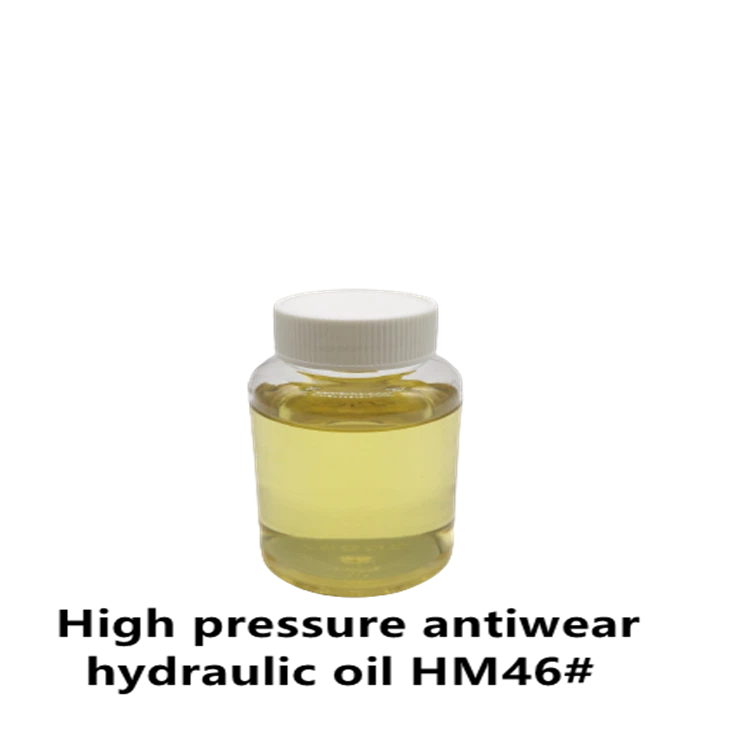
Comparing Ashless Hydraulic Oil HM68# with Ashless Hydraulic Oil HM46# can also give you some insights. HM46# has a lower viscosity than HM68#, which means it's more suitable for systems that operate at lower temperatures or require faster - flowing oil. If you're using HM68# in a system that's better suited for HM46#, it may affect the oil's service life.
Once you've gathered all the information from visual inspection, laboratory tests, and considering the operating conditions, you can make an informed decision about the remaining service life of Ashless Hydraulic Oil HM68#. If the test results show that the oil is still in good condition, you can continue using it for a while longer. But if the oil has deteriorated significantly, it's time to replace it.
Replacing the oil at the right time is crucial. If you wait too long, you risk damaging the hydraulic system, which can be very costly to repair. On the other hand, if you replace the oil too early, you're wasting money and resources.
If you're still not sure about how to determine the remaining service life of Ashless Hydraulic Oil HM68# or if you have any other questions about our products, don't hesitate to reach out. We're here to help you make the most of your hydraulic systems. Whether you're looking to purchase Ashless Hydraulic Oil HM68# or need advice on oil maintenance, we're just a message away. Start a conversation with us to discuss your specific needs and find the best solutions for your operations.
References:
- "Hydraulic Fluids: Properties, Applications, and Maintenance" - A technical guide on hydraulic fluids.
- Manufacturer's documentation for Ashless Hydraulic Oil HM68#.


