

Hey there! As a supplier of Ashless Hydraulic Oil HM32#, I've seen firsthand how important it is to handle and dispose of this stuff safely. You see, used hydraulic oil isn't just any old waste; it can be harmful to the environment and human health if not dealt with properly. So, in this blog, I'm gonna walk you through the steps on how to dispose of used Ashless Hydraulic Oil HM32# safely.
First off, let's understand what Ashless Hydraulic Oil HM32# is all about. It's a high - quality lubricant that's widely used in hydraulic systems to reduce friction, prevent wear and tear, and ensure smooth operation. You can check out more about Ash - free Anti - wear Hydraulic Oil on our website. Over time, though, this oil breaks down, becomes contaminated with dirt, metal particles, and other impurities, and needs to be replaced. And that's when the question of disposal comes up.
Why Safe Disposal Matters
You might be thinking, "Why all the fuss about safe disposal?" Well, used hydraulic oil can contain heavy metals, such as lead and mercury, as well as other toxic substances. If it's released into the environment, say, by dumping it on the ground or into a water source, it can contaminate soil, groundwater, and surface water. This can harm plants, animals, and even humans who rely on these resources. Plus, there are strict environmental regulations in place to prevent this kind of pollution, and non - compliance can lead to hefty fines.
Step 1: Collection and Storage
The first step in safely disposing of used Ashless Hydraulic Oil HM32# is to collect it properly. When you're draining the old oil from your hydraulic system, make sure you use a clean, leak - proof container. It's a good idea to label the container clearly as "Used Ashless Hydraulic Oil HM32#" so there's no confusion. You don't want to mix it up with other types of oil or chemicals.
Store the container in a cool, dry place away from direct sunlight and heat sources. This helps prevent the oil from degrading further and reduces the risk of fire or explosion. Also, keep the container tightly sealed to prevent spills and leaks.
Step 2: Testing the Oil
Before you decide on the best disposal method, it's a good idea to test the used oil. You can send a sample to a professional laboratory for analysis. They'll be able to tell you the level of contaminants in the oil, such as water content, particle size, and the presence of heavy metals. This information is crucial because it will help you determine whether the oil can be recycled or if it needs to be disposed of as hazardous waste.
Step 3: Recycling Options
If the test results show that the used Ashless Hydraulic Oil HM32# is relatively clean and only has a low level of contaminants, recycling is a great option. Recycling not only helps protect the environment but also conserves natural resources.
There are several ways to recycle used hydraulic oil. One common method is re - refining. In the re - refining process, the used oil is first pre - treated to remove water and large particles. Then, it goes through a series of purification steps, such as distillation and chemical treatment, to remove the remaining contaminants. The end result is a high - quality base oil that can be used to make new lubricants, including Ashless Hydraulic Oil HM46# and Ashless Hydraulic Oil HM68#.
Another recycling option is to use the used oil as a fuel in certain industrial processes. However, this method requires special equipment and strict environmental controls to ensure that the emissions are within acceptable limits.
Step 4: Disposal as Hazardous Waste
If the test results show that the used oil is highly contaminated and cannot be recycled, it must be disposed of as hazardous waste. This means you need to follow strict regulations and procedures.
First, you'll need to find a licensed hazardous waste disposal facility. You can check with your local environmental agency or do an online search to find a reputable facility near you. Make sure they have the proper permits and certifications to handle used hydraulic oil.
When transporting the used oil to the disposal facility, use a specialized carrier that is also licensed to transport hazardous materials. They'll have the necessary equipment and safety measures in place to prevent spills and accidents during transit.
Step 5: Documentation
Throughout the entire disposal process, it's important to keep detailed records. This includes information about the collection, storage, testing, recycling, or disposal of the used Ashless Hydraulic Oil HM32#. Documentation helps you prove that you've followed all the necessary regulations and can be useful in case of an audit or inspection.

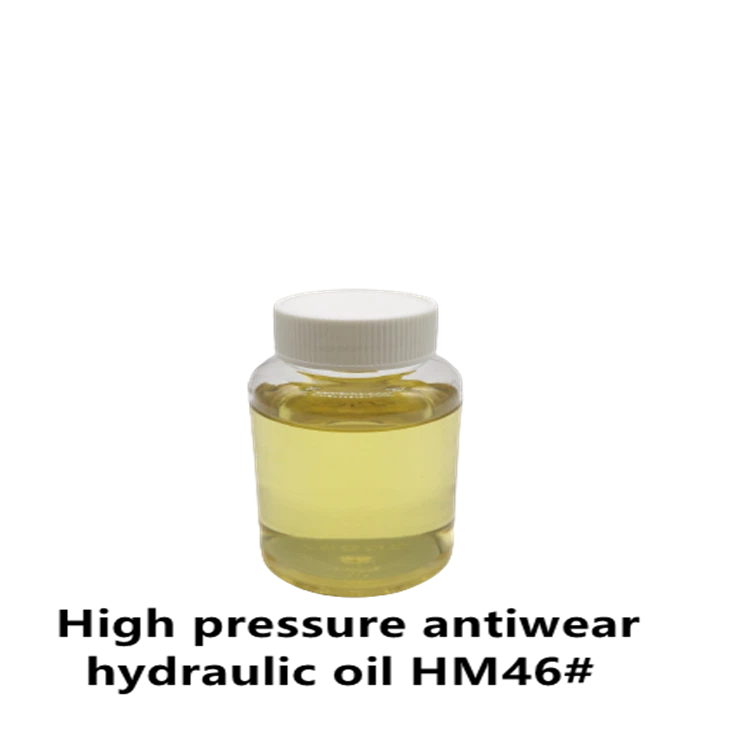
Tips for Safe Handling
Here are some additional tips to keep in mind when handling used Ashless Hydraulic Oil HM32#:
- Wear appropriate personal protective equipment (PPE), such as gloves and safety glasses, to avoid skin contact and eye irritation.
- Don't smoke or use open flames near the used oil, as it is flammable.
- Clean up any spills immediately using absorbent materials. Dispose of the contaminated absorbent materials properly.
Conclusion
Disposing of used Ashless Hydraulic Oil HM32# safely is not only a legal requirement but also a responsibility we all share to protect the environment. By following these steps, you can ensure that the used oil is handled and disposed of in the most environmentally friendly way possible.
If you have any questions about Ashless Hydraulic Oil HM32# or need help with its disposal, feel free to reach out. We're here to assist you and provide you with the best solutions for your hydraulic oil needs. Whether you're looking to purchase new oil or need advice on proper disposal, we're just a message away. Let's work together to keep our environment clean and safe!
References
- Environmental Protection Agency (EPA). Guidelines for the disposal of used lubricating oils.
- Industry standards for hydraulic oil recycling and disposal.


