


Hey there! As a supplier of Hydraulic Support Antifreeze, I often get asked about the proper way to dispose of used hydraulic support antifreeze. It's a crucial topic because improper disposal can harm the environment and even pose risks to human health. In this blog, I'll share some insights on how to handle this issue correctly.
First off, let's understand why proper disposal is so important. Hydraulic support antifreeze contains various chemicals, including glycols. These substances can be toxic to plants, animals, and aquatic life if they end up in the soil, water bodies, or air. For example, ethylene glycol, a common component in antifreeze, is highly poisonous to pets and wildlife. When it leaks into groundwater or surface water, it can contaminate drinking water sources and disrupt the ecological balance.
So, what should you do with used hydraulic support antifreeze? The first step is to collect it properly. You need to have a dedicated container for storing the used antifreeze. Make sure the container is made of a material that won't react with the antifreeze, like high - density polyethylene. Label the container clearly as "Used Hydraulic Support Antifreeze" to avoid any confusion.
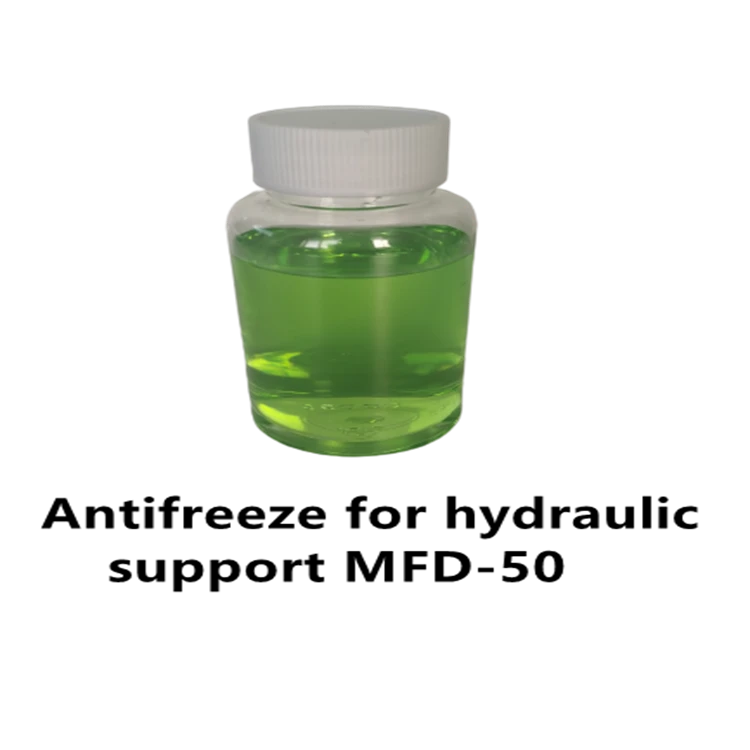

When collecting the used antifreeze, be careful not to spill it. Wear appropriate protective gear, such as gloves and goggles, to prevent any contact with your skin or eyes. If there is a spill, clean it up immediately using absorbent materials. And don't forget to follow the safety procedures of your workplace when handling these substances.
Once you've collected the used antifreeze, you have a few options for disposal. One option is to recycle it. Recycling is not only environmentally friendly but can also be cost - effective in the long run. There are specialized recycling facilities that can process used antifreeze. They remove impurities and contaminants from the antifreeze and turn it into a usable product again.
To find a recycling facility near you, you can check with your local environmental protection agency or do an online search. Some recycling centers may require you to bring the used antifreeze in a specific quantity or in a particular type of container. So, it's a good idea to call them in advance and ask about their requirements.
Another option is to take it to a hazardous waste disposal site. Used hydraulic support antifreeze is considered hazardous waste because of its chemical composition. Hazardous waste disposal sites are equipped to handle these types of materials safely. They follow strict regulations to ensure that the waste is disposed of in an environmentally friendly manner.
Before taking your used antifreeze to a hazardous waste disposal site, you'll need to check their acceptance criteria. Some sites may only accept certain types of hazardous waste or have specific drop - off times. You may also need to fill out some paperwork, providing information about the quantity and composition of the waste.
Now, let's talk about some things you should never do. Don't pour used hydraulic support antifreeze down the drain. This can cause damage to your plumbing system and contaminate the sewage treatment system. Also, never dump it on the ground or into a body of water. As I mentioned earlier, this can have serious environmental consequences.
As a supplier of Antifreeze for Hydraulic Support, I want to emphasize the importance of proper disposal. Not only does it protect the environment, but it also helps maintain the good reputation of our industry. By following the correct disposal methods, we can all do our part to keep our planet clean and safe.
If you're using Antifreeze For Hydraulic or Antifreeze for Hydraulic Support from our product range, and you have any questions about disposal or any other aspect of our products, feel free to reach out. We're here to help you make the most of our antifreeze while also ensuring that you're doing things the right way.
In addition to proper disposal, there are also some best practices for using hydraulic support antifreeze to reduce waste. For example, make sure you're using the right amount of antifreeze in your hydraulic systems. Over - filling can lead to unnecessary waste, while under - filling may not provide adequate protection. Regularly check the level and quality of the antifreeze in your systems. If it's getting dirty or losing its effectiveness, it may be time to replace it, but don't just throw the old antifreeze away without following the proper disposal steps.
Also, train your employees on the correct handling and disposal of hydraulic support antifreeze. Make sure they understand the risks associated with improper handling and the importance of following the safety procedures. A well - informed workforce is key to ensuring that used antifreeze is disposed of properly.
In conclusion, proper disposal of used hydraulic support antifreeze is essential for environmental protection and human health. Whether you choose to recycle it or take it to a hazardous waste disposal site, make sure you follow the regulations and guidelines. As a supplier, I'm committed to providing you with high - quality Antifreeze for Hydraulic Support products and helping you with any related questions. If you're interested in purchasing our products or need more information, don't hesitate to get in touch. We're looking forward to discussing your needs and how our antifreeze can benefit your operations.
References
- Environmental Protection Agency guidelines on hazardous waste disposal
- Industry standards for hydraulic support antifreeze recycling


