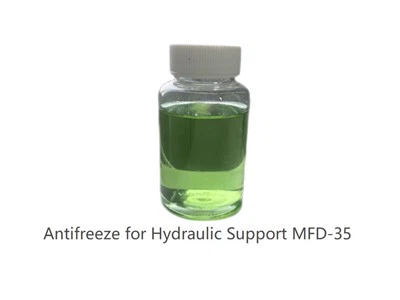
Hey there! As a supplier of Hydraulic Support Antifreeze, I've encountered numerous challenges that our clients face. One of the most common issues is how to remove water from the hydraulic support antifreeze in the system. That's what we're going to dig into today.
Understanding the Problem
First off, you might be wondering why water in hydraulic support antifreeze is a big deal. Well, water can mess things up big time. It reduces the effectiveness of the Hydraulic (anti-rust, anti-corrosion) bracket antifreeze by diluting its chemical properties. This means it won't be able to protect the hydraulic system from freezing, rusting, and corroding as well as it should.
Think of it like adding too much water to your favorite juice. It loses its flavor and its intended purpose. Same goes for hydraulic support antifreeze. Additionally, water can cause cavitation in the system, which leads to wear and tear on the components over time. So, it's crucial to keep that antifreeze as water - free as possible.
Sources of Water in the Antifreeze
Before we get into the removal methods, let's talk about where the water comes from. One common source is condensation. When the temperature changes in the hydraulic system, the air inside can condense into water droplets, and these droplets end up in the antifreeze. Another source could be leaks in the system. If there's a crack or a loose seal, water from the environment can seep in.
Methods to Remove Water
1. Distillation
Distillation is a classic method for separating water from liquids. The basic principle is that water and the antifreeze have different boiling points. Water boils at 100°C (212°F) under normal atmospheric conditions, while the hydraulic support antifreeze has a much higher boiling point.
You can set up a simple distillation apparatus. Heat the mixture of water and antifreeze gently. As the water reaches its boiling point, it turns into vapor. You can then collect this vapor and condense it back into liquid form, leaving the antifreeze behind. However, this method can be time - consuming and requires some technical know - how.


2. Absorbents
Using absorbents is a more straightforward approach. There are special absorbent materials available in the market that can soak up water. These absorbents are designed to be highly selective, meaning they'll only absorb water and leave the antifreeze intact.
You can add the absorbent to the hydraulic support antifreeze and let it sit for a while. The absorbent will gradually take in the water. After that, you can simply remove the absorbent, and you'll have a water - reduced antifreeze. Just make sure to use the right type of absorbent for your specific Concentrate For Hydraulic Support.
3. Centrifugation
Centrifugation is a method that uses centrifugal force to separate substances of different densities. Water is denser than most hydraulic support antifreezes. When you spin the mixture in a centrifuge at high speeds, the water will be forced to the outer edge of the container, while the antifreeze will stay closer to the center.
You can then carefully drain off the water layer from the bottom. This method is relatively quick and efficient, but you'll need access to a centrifuge, which can be expensive for small - scale operations.
Maintenance to Prevent Water Infiltration
Removing water is important, but preventing it from getting into the antifreeze in the first place is even better. Make sure to regularly inspect the hydraulic system for leaks. Check all the seals, hoses, and connections. If you find any signs of wear or damage, replace the parts immediately.
Also, keep the storage area for the Antifreeze For Hydraulic dry. If the antifreeze is stored in a damp environment, there's a higher chance of water getting in through the container.
When to Seek Professional Help
Sometimes, the water problem can be more complex than you think. If you've tried the methods above and still can't get the water out, or if you notice other issues like unusual noises or reduced performance in the hydraulic system, it's time to call in the pros.
Professional technicians have the tools and expertise to diagnose the problem accurately and come up with a solution. They can also perform a thorough check of the entire system to ensure there aren't any underlying issues that could lead to further problems down the road.
The Importance of Quality Antifreeze
As a supplier, I can't stress enough the importance of using high - quality hydraulic support antifreeze. A good quality antifreeze is formulated to resist water contamination better and perform well even in harsh conditions.
When you invest in a reliable product, you're not only reducing the chances of water getting in but also ensuring the long - term health of your hydraulic system. At our supply, we offer a range of top - notch hydraulic support antifreezes that are designed to meet the highest industry standards.
How to Contact Us for Purchase
If you're interested in our Hydraulic Support Antifreeze products or have any questions about water removal or other maintenance issues, don't hesitate to reach out. We're here to help you keep your hydraulic system running smoothly. Contact us for a friendly chat and to discuss your specific needs. We're eager to assist you in finding the right solution for your operation.
References
- [Journal of Hydraulic System Technology], Multiple issues discussing fluid contamination and removal.
- "Hydraulic System Maintenance Handbook", An industry - standard guide on system upkeep.
- Manufacturer's specifications for various hydraulic support antifreeze products.