

Selecting the appropriate cutting oil for gear cutting is a crucial step that can significantly impact the quality of the final product, the efficiency of the machining process, and the overall cost of production. As a well - established cutting oil supplier, I've witnessed firsthand how the right choice of cutting oil can transform a gear - cutting operation. In this blog, I'll share some key factors to consider when making this important decision.
1. Material of the Gear
The material of the gear being cut is one of the primary factors in determining the appropriate cutting oil. Different materials have different cutting characteristics, and the cutting oil needs to be able to handle these variations.
Steel Gears
Steel is one of the most common materials for gears. High - carbon and alloy steels, in particular, require a cutting oil that can provide excellent lubrication and cooling. These steels generate a significant amount of heat during cutting, and if not properly managed, it can lead to tool wear, poor surface finish, and even distortion of the gear. For steel gears, a Metal Cutting Oil with high - performance additives is often recommended. These additives can form a protective film on the cutting tool and the workpiece, reducing friction and heat generation.
Aluminum Gears
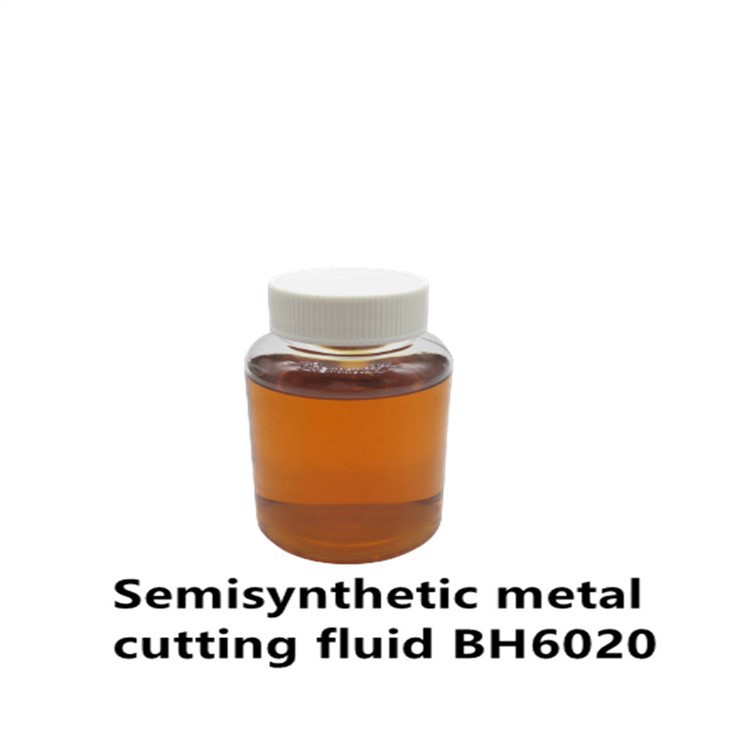
Aluminum is a soft and lightweight material. When cutting aluminum gears, the main concern is to prevent built - up edge (BUE) on the cutting tool. BUE can cause poor surface finish and dimensional inaccuracies. A cutting oil with good anti - BUE properties is essential. Synthetic or semi - synthetic cutting oils are often a good choice for aluminum gear cutting as they offer excellent cooling and can prevent the adhesion of aluminum chips to the tool.
Cast Iron Gears
Cast iron has a unique structure with graphite flakes. Cutting cast iron generates a large amount of abrasive chips. The cutting oil needs to have good flushing properties to carry away these chips and prevent them from scratching the surface of the gear. Mineral - based cutting oils with high - pressure additives are commonly used for cast iron gear cutting. These additives can enhance the oil's ability to penetrate the cutting zone and flush out the chips.
2. Cutting Process
The type of cutting process used for gear manufacturing also plays a vital role in cutting oil selection.
Hobbing
Hobbing is a widely used process for gear cutting. It involves the use of a hob cutter to generate the gear teeth. During hobbing, the cutting tool is in continuous contact with the workpiece, generating a significant amount of heat. A cutting oil with high thermal stability and good lubrication is required. Full - synthetic cutting oils are often preferred for hobbing as they can withstand high temperatures without breaking down and can reduce friction between the hob and the gear blank.
Shaping
Gear shaping is another common process. In shaping, the cutting tool moves in a reciprocating motion. The cutting oil needs to be able to provide lubrication during both the cutting and the return strokes. Semi - synthetic cutting oils are often suitable for gear shaping as they offer a good balance between lubrication and cooling.
Grinding
Grinding is used for finishing the gear teeth to achieve high precision and surface quality. The cutting oil for grinding should have excellent cooling and anti - corrosion properties. It also needs to be able to prevent the clogging of the grinding wheel. Water - based grinding fluids are commonly used for gear grinding as they provide efficient cooling and can be easily flushed away with water.
3. Tool Material
The material of the cutting tool is closely related to the choice of cutting oil. Different tool materials have different requirements for lubrication and cooling.
High - Speed Steel (HSS) Tools
HSS tools are relatively inexpensive and have good toughness. However, they are not as heat - resistant as some other tool materials. A cutting oil with good cooling properties is essential for HSS tools to prevent overheating and premature tool wear. Mineral - based cutting oils are often used with HSS tools as they offer good lubrication and cooling at a reasonable cost.
Carbide Tools
Carbide tools are known for their high hardness and wear resistance. They can withstand higher cutting speeds and temperatures compared to HSS tools. However, carbide tools are more brittle and can be prone to chipping. A cutting oil with high - pressure additives is recommended for carbide tools. These additives can enhance the oil's ability to penetrate the cutting zone and provide better lubrication at high cutting speeds.
Ceramic Tools
Ceramic tools are extremely hard and can operate at very high cutting speeds. They generate a large amount of heat during cutting. A cutting oil with excellent thermal conductivity and high - temperature stability is required for ceramic tools. Synthetic cutting oils with advanced additives are often used for ceramic tool applications.
4. Environmental and Health Considerations
In today's manufacturing environment, environmental and health considerations are becoming increasingly important.
Biodegradability
Many industries are now looking for cutting oils that are biodegradable. Biodegradable cutting oils are less harmful to the environment in case of spills or leaks. They can break down naturally over time, reducing the long - term environmental impact. As a cutting oil supplier, we offer a range of biodegradable cutting oils that meet the performance requirements of gear cutting.
Operator Health
The cutting oil should also be safe for the operators. Some cutting oils may contain harmful chemicals such as chlorinated paraffins or sulfur compounds, which can cause skin irritation and respiratory problems. We provide cutting oils that are formulated to be low - odor and non - toxic, ensuring the health and safety of the operators.
5. Cost - Effectiveness
Cost is always a consideration in any manufacturing process. However, it's important to balance cost with performance.
Initial Cost
The initial cost of the cutting oil is an obvious factor. Mineral - based cutting oils are generally less expensive than synthetic or semi - synthetic oils. However, it's important to consider the long - term cost as well. A higher - cost cutting oil that offers better performance and longer tool life may actually be more cost - effective in the long run.
Tool Life
A good cutting oil can significantly extend the life of the cutting tool. By reducing friction and heat, the cutting oil can prevent premature tool wear. This means fewer tool replacements and lower tooling costs. When selecting a cutting oil, it's important to consider its impact on tool life.
Maintenance Costs
The cutting oil also affects the maintenance of the machine tools. A cutting oil that can prevent corrosion and the build - up of sludge in the machine's coolant system can reduce maintenance costs. Synthetic and semi - synthetic cutting oils often require less maintenance compared to mineral - based oils as they are more stable and less likely to form sludge.

Conclusion
Selecting the appropriate cutting oil for gear cutting is a complex decision that requires careful consideration of multiple factors. As a cutting oil supplier, we understand the unique requirements of gear - cutting operations and can provide customized solutions based on your specific needs. Whether you are cutting steel, aluminum, or cast iron gears, using hobbing, shaping, or grinding processes, or working with different tool materials, we have the right cutting oil for you.
If you are interested in learning more about our cutting oil products or would like to discuss your specific gear - cutting requirements, please don't hesitate to contact us. We are here to help you optimize your gear - cutting process and achieve the best results.
References
- Kalpakjian, S., & Schmid, S. R. (2008). Manufacturing Engineering and Technology. Pearson Prentice Hall.
- Boothroyd, G., Dewhurst, P., & Knight, W. A. (2011). Product Design for Manufacture and Assembly. CRC Press.
- ASM Handbook, Volume 16: Machining. ASM International.


