

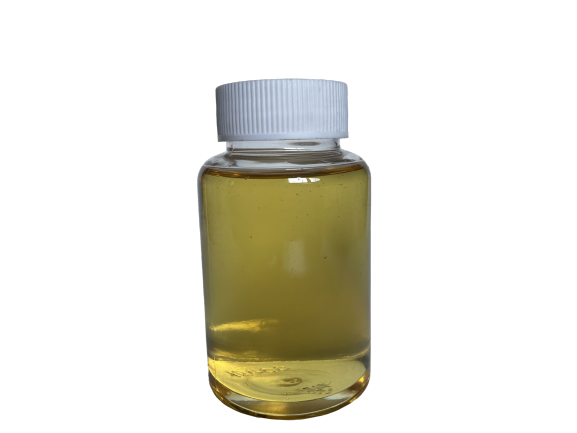
In the realm of industrial lubrication, Anti Wear Hydraulic Oil HM68# stands as a cornerstone for ensuring the smooth and efficient operation of hydraulic systems. As a dedicated supplier of this high - performance hydraulic oil, I've witnessed firsthand the critical role it plays in various industrial applications. One of the key aspects that significantly impacts the performance of Anti Wear Hydraulic Oil HM68# is the presence of anti - foam additives. In this blog, we'll delve into what these anti - foam additives are, why they are essential, and how they contribute to the overall quality of our product.
Understanding Foaming in Hydraulic Systems
Before we explore anti - foam additives, it's important to understand why foaming occurs in hydraulic systems. When hydraulic oil is in use, it is constantly being agitated by pumps, valves, and other moving parts. This agitation can cause air to be entrained in the oil, leading to the formation of bubbles. Foaming can also be exacerbated by factors such as high operating temperatures, contamination, and improper oil levels.
The presence of foam in a hydraulic system can have several detrimental effects. Firstly, it reduces the oil's ability to transfer power efficiently. Since foam is compressible, the energy that should be used to move hydraulic components is instead absorbed by the compression of the foam. This leads to a loss of system efficiency, slower response times, and increased wear on hydraulic components. Secondly, foaming can cause cavitation. When foam bubbles collapse, they create high - pressure shock waves that can damage the internal surfaces of pumps, valves, and other hydraulic parts. Additionally, foam can promote oxidation of the oil, leading to the formation of sludge and varnish, which can further clog filters and reduce the lifespan of the hydraulic system.
What are Anti - Foam Additives?
Anti - foam additives are chemical compounds that are added to Anti Wear Hydraulic Oil HM68# to prevent or reduce the formation of foam. These additives work by altering the surface tension of the oil, making it more difficult for air bubbles to form and persist. There are two main types of anti - foam additives: silicone - based and non - silicone - based.
Silicone - based anti - foam additives are perhaps the most commonly used type. They are highly effective at reducing foam formation and are relatively inexpensive. Silicone additives work by spreading across the surface of the oil and forming a thin film that prevents air bubbles from coalescing. This film also helps to break up existing bubbles by reducing the surface tension at the bubble - oil interface. However, silicone - based additives have some limitations. They can be sensitive to high temperatures and can form deposits if used in excessive amounts. These deposits can clog filters and cause problems in some hydraulic systems.
Non - silicone - based anti - foam additives, on the other hand, are often used in applications where silicone is not suitable. These additives are typically made from polymers or other organic compounds. Non - silicone additives offer several advantages over silicone - based ones. They are more stable at high temperatures and are less likely to form deposits. They are also compatible with a wider range of hydraulic system materials, making them a preferred choice in some industries.
Benefits of Anti - Foam Additives in Anti Wear Hydraulic Oil HM68#
The addition of anti - foam additives to Anti Wear Hydraulic Oil HM68# offers numerous benefits for hydraulic systems. Firstly, it ensures consistent and reliable performance. By preventing foam formation, the oil can transfer power more efficiently, resulting in smoother operation of hydraulic components. This leads to increased productivity and reduced downtime for maintenance and repairs.
Secondly, anti - foam additives help to extend the lifespan of the hydraulic system. By reducing cavitation and wear on components, the additives minimize the need for costly replacements and repairs. They also help to keep the oil clean by preventing oxidation and the formation of sludge and varnish. This reduces the frequency of oil changes and filter replacements, further lowering operating costs.
In addition, anti - foam additives improve the overall safety of the hydraulic system. A system that is free of foam is less likely to experience sudden drops in pressure or erratic behavior, which can pose a safety risk to operators and nearby equipment.
Our Commitment to Quality Anti - Wear Hydraulic Oil
As a supplier of Anti Wear Hydraulic Oil HM68#, we understand the importance of using high - quality anti - foam additives. We carefully select and formulate our additives to ensure optimal performance in a wide range of operating conditions. Our research and development team continuously tests and improves our anti - foam additives to meet the evolving needs of our customers.
We also offer a comprehensive range of Anti Wear Hydraulic Oil products to suit different applications. Whether you need a Hydraulic System Specific Oil for a high - pressure system or a Anti - wear Hydraulic Oil for a low - temperature environment, we have the right solution for you.
Contact Us for Your Hydraulic Oil Needs
If you're looking for a reliable supplier of Anti Wear Hydraulic Oil HM68# with high - quality anti - foam additives, look no further. Our team of experts is ready to assist you in selecting the right oil for your specific hydraulic system. We can provide technical support, product recommendations, and competitive pricing.
Don't let foam-related issues compromise the performance and longevity of your hydraulic system. Contact us today to discuss your requirements and start experiencing the benefits of our premium Anti Wear Hydraulic Oil HM68#.

References
- "Hydraulic Fluids: Properties, Performance, and Applications" by George Totten.
- "Lubricants and Lubrication" by Helmut J. Warnecke.
- Industry standards and technical documents related to anti - wear hydraulic oils and anti - foam additives.


