

Hey there! As a supplier of Anti Wear Hydraulic Oil HM32#, I often get asked about what's actually in this stuff. So, I thought I'd break it down for you in this blog post.
First off, let's talk about the base oil. The base oil in Anti Wear Hydraulic Oil HM32# is usually a refined mineral oil. Mineral oils are derived from crude oil through a series of refining processes. These processes remove impurities like sulfur, nitrogen, and other unwanted compounds. The result is a high - quality base oil that has good viscosity - temperature characteristics.
Viscosity is a crucial property of hydraulic oil. In simple terms, it's how thick or thin the oil is. HM32# oil has a viscosity grade of 32, which means it has a specific thickness that's suitable for a wide range of hydraulic systems. A proper viscosity ensures that the oil can flow smoothly through the hydraulic system, providing adequate lubrication to all the moving parts. If the oil is too thin, it won't form a good lubricating film, and the parts will wear out quickly. On the other hand, if it's too thick, it can cause excessive pressure drop and make the system less efficient.
Now, the base oil alone isn't enough. That's where additives come in. Additives are like the secret sauce that gives Anti Wear Hydraulic Oil HM32# its special properties.
One of the most important types of additives is anti - wear additives. These additives form a protective film on the metal surfaces of the hydraulic components. When the parts move against each other, this film reduces friction and wear. Some common anti - wear additives include zinc dialkyldithiophosphate (ZDDP). ZDDP reacts with the metal surface under high - pressure conditions to form a hard, protective layer. This layer helps prevent metal - to - metal contact, which can lead to scoring, galling, and premature failure of the hydraulic components.
Another essential additive is the antioxidant. Oxidation is a natural process that occurs when the oil is exposed to oxygen and high temperatures. When oil oxidizes, it forms sludge, varnish, and acids. Sludge can clog the filters and restrict the flow of oil in the system. Varnish can coat the valves and other components, affecting their performance. Acids can corrode the metal parts. Antioxidants slow down the oxidation process, extending the service life of the oil and protecting the hydraulic system. Some antioxidants work by reacting with the oxygen radicals in the oil, neutralizing them before they can cause damage.
Rust and corrosion inhibitors are also added to the oil. Hydraulic systems often operate in environments where there's a risk of moisture ingress. Water can cause rust and corrosion on the metal surfaces. Rust and corrosion inhibitors form a barrier between the metal and the water, preventing the oxidation of the metal. They also neutralize any acids that may be present in the oil due to oxidation or contamination.
Foam inhibitors are used to prevent the formation of foam in the oil. Foam can be a big problem in hydraulic systems. When the oil foams, it loses its ability to transmit pressure effectively. Foam can also cause cavitation, which is the formation and collapse of vapor bubbles in the oil. Cavitation can damage the hydraulic components by eroding the metal surfaces. Foam inhibitors reduce the surface tension of the oil, making it difficult for the bubbles to form and causing them to collapse quickly.
Demulsifiers are important, especially if there's a possibility of water contamination. Demulsifiers help separate the water from the oil. When water enters the hydraulic system, it can form an emulsion with the oil. An emulsion is a mixture of two immiscible liquids, in this case, water and oil. Demulsifiers break up the emulsion, allowing the water to settle at the bottom of the reservoir, where it can be drained off.
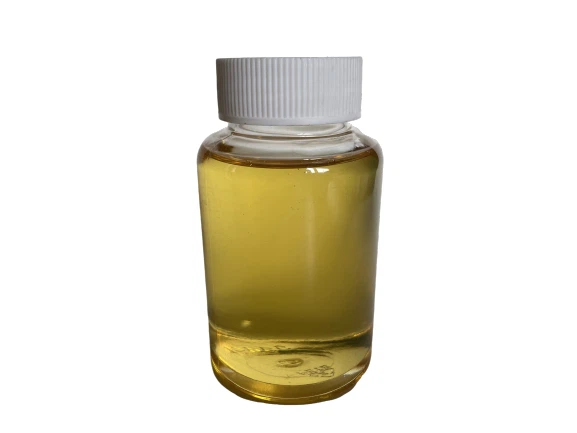

Anti - wear hydraulic oil HM32# is a carefully formulated product. The combination of high - quality base oil and a balanced package of additives makes it suitable for a variety of hydraulic applications. Whether you're using it in a small industrial machine or a large construction equipment, it provides reliable performance and protection.
If you're interested in learning more about other types of anti - wear hydraulic oils, you can check out these links: Anti Wear Hydraulic Oil and Anti Wear Hydraulic Oil. And if you need a higher viscosity oil, take a look at Anti Wear Hydraulic Oil HM100#.
If you're in the market for Anti Wear Hydraulic Oil HM32# or have any questions about its application, feel free to reach out. We're here to help you find the right lubrication solution for your hydraulic system.
References:
- "Hydraulic Fluids: Properties, Performance, and Applications" by some industry experts
- Technical documents from oil additive manufacturers


