

Hey there! As a supplier of Ashless Hydraulic Oil HM46#, I often get asked about the differences between Ashless Hydraulic Oil HM46# and HM32#. So, I thought I'd write this blog to break it all down for you in a simple, easy - to - understand way.
Viscosity
One of the most significant differences between Ashless Hydraulic Oil HM46# and HM32# is their viscosity. Viscosity is basically a measure of a fluid's resistance to flow. You can think of it like how thick or thin a liquid is.
Ashless Hydraulic Oil HM32# has a lower viscosity compared to HM46#. This means that HM32# flows more easily. In hydraulic systems, lower - viscosity oils are great for applications where the system operates at lower temperatures or where there are tight clearances between components. For example, in some small - scale hydraulic equipment that runs in a relatively cool environment, HM32# can quickly reach all the parts of the system, ensuring smooth operation. You can learn more about Ashless Hydraulic Oil HM32# here.
On the other hand, Ashless Hydraulic Oil HM46# has a higher viscosity. It's thicker and doesn't flow as freely as HM32#. This higher viscosity makes it better suited for hydraulic systems that operate at higher temperatures or under heavy loads. When a system gets hot, the oil can thin out. The higher initial viscosity of HM46# helps it maintain a proper lubricating film even when the temperature rises. This is crucial for preventing wear and tear on the hydraulic components. Check out more details about Ashless Hydraulic Oil HM46# here.
Temperature Performance
Temperature plays a huge role in how these two oils perform. As I mentioned before, the lower viscosity of HM32# makes it a good choice for cooler environments. It can start flowing quickly when the system is cold, which is important for reducing the wear on components during startup. However, in high - temperature situations, HM32# may become too thin. This can lead to a breakdown of the lubricating film, causing increased friction and wear between the moving parts.
Ashless Hydraulic Oil HM46#, with its higher viscosity, is more stable at high temperatures. It can handle the heat without thinning out too much. This allows it to provide consistent lubrication in systems that generate a lot of heat, such as large industrial hydraulic presses or heavy - duty construction equipment. But, in very cold conditions, HM46# may be too thick to flow properly at startup. So, if you're operating in an area with extreme cold, you might need to pre - heat the system or use a different oil.
System Compatibility
Not all hydraulic systems are created equal, and different systems have different requirements when it comes to oil. Some older hydraulic systems are designed to work with lower - viscosity oils like HM32#. These systems often have larger clearances between components, and the lower - viscosity oil can easily circulate. If you use a higher - viscosity oil like HM46# in such a system, it might cause higher pressure drops and reduced efficiency.
Newer hydraulic systems, especially those with advanced, precision - engineered components, may be more compatible with HM46#. These systems usually operate at higher pressures and temperatures, and the higher viscosity of HM46# can better meet their lubrication needs. It can form a stronger lubricating film, protecting the components from damage and extending the system's lifespan.
Oxidation and Wear Resistance
Both Ashless Hydraulic Oil HM46# and HM32# are formulated to have good oxidation and wear resistance, but there are still some differences. Oxidation occurs when the oil reacts with oxygen in the air, especially at high temperatures. This can lead to the formation of sludge, varnish, and acids, which can damage the hydraulic system.
HM46# generally has better oxidation resistance compared to HM32#. This is because the higher - viscosity base oil in HM46# is more stable and less prone to oxidation. Also, the additives used in HM46# are often more effective at preventing oxidation. This means that HM46# can last longer in a system, reducing the frequency of oil changes and maintenance costs.
In terms of wear resistance, both oils are designed to protect the hydraulic components from wear. However, due to its higher viscosity, HM46# can form a thicker lubricating film. This film acts as a buffer between the moving parts, reducing direct metal - to - metal contact and thus minimizing wear. In high - pressure and heavy - load applications, this extra protection can make a big difference in the longevity of the system.
Cost Considerations
Cost is always a factor when it comes to choosing the right hydraulic oil. Generally, Ashless Hydraulic Oil HM32# is slightly cheaper than HM46#. This is mainly because the base oil used in HM32# is less expensive, and it may require fewer high - performance additives.
However, you can't just look at the upfront cost. You also need to consider the long - term costs. As I mentioned earlier, HM46# has better oxidation and wear resistance, which means it can last longer in a system. This can result in fewer oil changes and less downtime for maintenance. In the long run, using HM46# might actually save you money, especially in high - performance or heavy - duty hydraulic systems.
Application Examples
Let's take a look at some real - world examples of where each oil is commonly used.
Ashless Hydraulic Oil HM32#
- Small - scale hydraulic lifts: These lifts usually operate at lower pressures and temperatures. The lower viscosity of HM32# allows it to quickly fill the hydraulic cylinders, enabling smooth and fast lifting operations.
- Some automotive hydraulic systems: In cars, some hydraulic systems like the power steering system may use HM32#. These systems don't generate a lot of heat, and the lower - viscosity oil can provide the necessary lubrication without causing excessive pressure.
Ashless Hydraulic Oil HM46#
- Industrial hydraulic presses: These presses operate at high pressures and generate a significant amount of heat. The higher viscosity and better oxidation resistance of HM46# make it ideal for this application. It can ensure consistent performance and protect the press components from wear.
- Construction equipment: Heavy - duty construction machines like excavators and bulldozers have hydraulic systems that work under extreme conditions. HM46# can withstand the high temperatures and heavy loads, keeping the equipment running smoothly.
If you're still not sure which oil is right for your hydraulic system, don't hesitate to reach out. I've been in the business for a while, and I can help you make the best decision based on your specific needs. Whether you're looking for Ashless Hydraulic Oil HM32#, HM46#, or even HM68# (you can find more about HM68# here), I can provide you with high - quality products and expert advice.

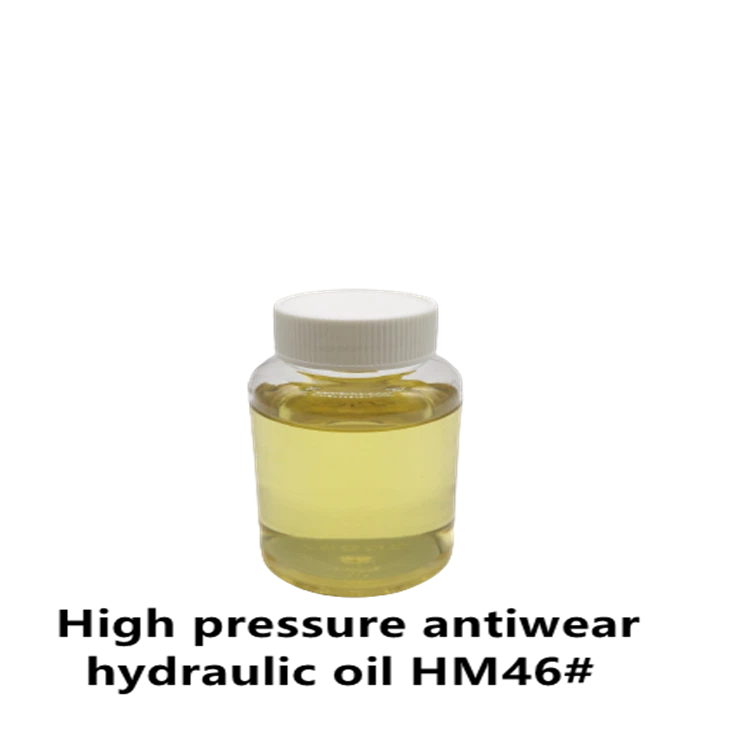
So, if you're interested in discussing your hydraulic oil requirements or want to place an order, just get in touch. I'm here to make sure you get the best oil for your system and the best value for your money.
References
- "Hydraulic Fluids: A Guide to Selection and Maintenance" by Hydraulic Institute
- Various technical data sheets from leading hydraulic oil manufacturers.


