

Hey there, folks! As a cutting oil supplier, I've been in the thick of the machining industry for quite a while. One question that pops up a lot is, "What are the differences between cutting oil for internal and external machining?" Well, let's dive right in and break it down.
Basics of Cutting Oil
First off, let's talk about what cutting oil is all about. Cutting oil plays a crucial role in machining processes. It helps to reduce friction between the cutting tool and the workpiece, which in turn lowers the heat generated during cutting. This not only extends the life of the cutting tool but also improves the surface finish of the workpiece. You can check out our Metal Cutting Oil for a high - quality option that meets a wide range of machining needs.
External Machining and Its Cutting Oil Requirements
External machining includes processes like turning, milling, and grinding on the outer surface of a workpiece. In external machining, the cutting tool is exposed to the surrounding environment.
One of the key requirements for cutting oil in external machining is good lubrication. Since the cutting forces are often more evenly distributed across the tool's edge, a cutting oil with excellent lubricating properties can significantly reduce the wear and tear on the tool. For example, in a turning operation where a lathe tool is removing material from the outer diameter of a cylindrical workpiece, the cutting oil forms a thin film between the tool and the metal. This film reduces the friction, allowing the tool to glide smoothly over the surface and produce a clean cut.
Cooling is also important in external machining, but it's not as critical as in internal machining. The exposed nature of the cutting area allows for better heat dissipation. However, a cutting oil with good cooling capabilities can still help prevent overheating of the tool and workpiece, which can lead to thermal expansion and dimensional inaccuracies.
Another aspect is the need for anti - corrosion properties. The workpiece is often left exposed to the air after machining. A cutting oil that can provide a protective layer against corrosion helps to keep the finished product in good condition until it's further processed or used.
Internal Machining and Its Unique Cutting Oil Needs
Internal machining, such as drilling, boring, and tapping inside a workpiece, comes with its own set of challenges and unique requirements for cutting oil.
One of the biggest challenges in internal machining is heat dissipation. When cutting inside a confined space, the heat generated during the process has a harder time escaping. This can lead to extremely high temperatures at the cutting edge, which can cause the tool to wear out quickly or even break. So, a cutting oil for internal machining needs to have excellent cooling properties. It should be able to quickly absorb and transfer the heat away from the cutting area. For instance, in a deep - hole drilling operation, the cutting oil needs to flow through the drill bit and out of the hole to carry away the heat generated by the cutting action.
Lubrication in internal machining is also different. The cutting tool is often in contact with a large amount of the workpiece surface inside the confined space. This requires a cutting oil that can penetrate into the small gaps between the tool and the workpiece and provide effective lubrication. A high - viscosity cutting oil might not be suitable as it may not be able to reach all the necessary areas. Instead, a cutting oil with good flow properties and the ability to form a strong lubricating film is needed.
Chip evacuation is another crucial factor in internal machining. As the cutting tool removes material, chips are produced inside the hole or cavity. These chips need to be removed quickly to prevent them from getting in the way of the cutting process and causing damage to the tool or the workpiece. A cutting oil can help with chip evacuation by flushing the chips out of the cutting area. It should have the right viscosity and surface tension to carry the chips along with it as it flows.
Chemical Composition Differences
The chemical composition of cutting oils for internal and external machining can vary to meet their specific requirements.
Cutting oils for external machining often contain a higher percentage of lubricating additives. These additives can be things like fatty acids and esters, which help to form a durable lubricating film on the cutting tool and workpiece surface. They also may have corrosion inhibitors to protect the workpiece from rusting.
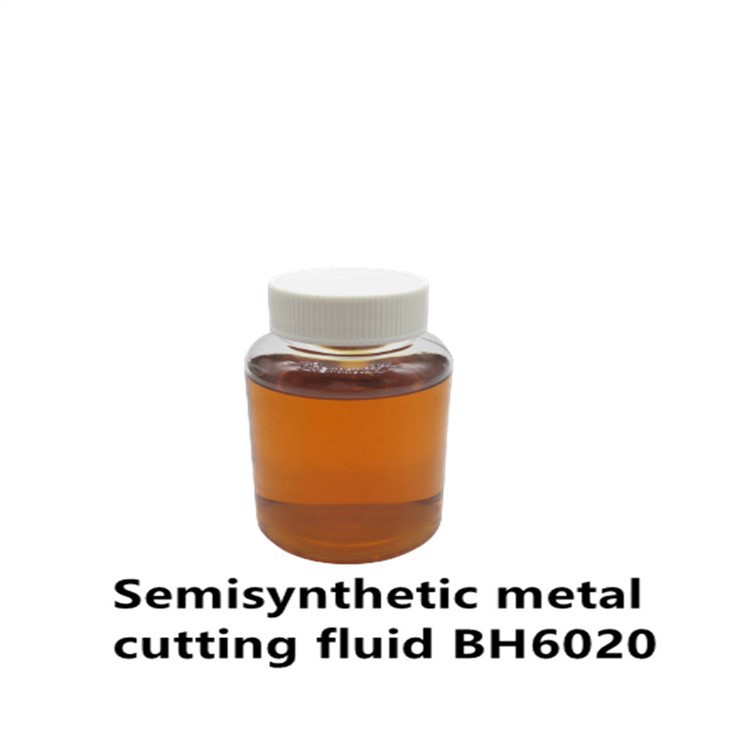

On the other hand, cutting oils for internal machining usually have a higher concentration of cooling agents, such as water - based additives or synthetic coolants. These agents help to absorb and dissipate the heat more effectively. They also need additives that improve the oil's ability to penetrate small spaces and flush out chips, like surfactants.
Performance in Different Materials
The performance of cutting oils in internal and external machining can also differ depending on the material of the workpiece.
For example, when machining aluminum, which is a relatively soft metal, the cutting oil for external machining needs to be carefully selected to prevent the aluminum from sticking to the cutting tool. A cutting oil with good anti - adhesion properties is preferred. In internal machining of aluminum, the focus is more on chip evacuation since aluminum chips can be long and stringy, and they can easily clog the hole.
When working with hard metals like stainless steel or titanium, the cutting oil for external machining needs to have high - pressure lubrication capabilities to withstand the large cutting forces. In internal machining of these hard metals, the cutting oil must be able to handle the extreme heat generated and still provide effective lubrication to prevent tool breakage.
Cost Considerations
Cost is always a factor in any manufacturing process. Cutting oils for internal machining may be more expensive due to their more complex formulation. The need for high - performance cooling agents and additives for chip evacuation adds to the cost. However, this higher cost can be justified by the longer tool life and better machining quality they provide in internal operations, which can lead to overall cost savings in the long run.
Cutting oils for external machining can be more cost - effective in some cases, especially if the machining process is less demanding. But it's important not to compromise on quality, as using a sub - standard cutting oil can lead to increased tool wear and lower - quality finished products.
Making the Right Choice
As a cutting oil supplier, I often get asked how to choose the right cutting oil for a specific machining task. Well, it all boils down to understanding the requirements of your machining process.
If you're doing external machining, think about the type of material you're working with, the cutting forces involved, and the need for corrosion protection. Our Metal Cutting Oil is a versatile option that can handle a wide range of external machining applications.
For internal machining, pay close attention to heat dissipation, chip evacuation, and lubrication in confined spaces. We have specialized cutting oils that are formulated to meet these exact needs.
Getting in Touch for Procurement
If you're looking for the right cutting oil for your internal or external machining processes, don't hesitate to reach out. We're here to help you find the perfect solution for your operations. Whether you have a small - scale workshop or a large manufacturing facility, we can provide the cutting oil that will improve your machining efficiency and the quality of your products. Contact us today to start a discussion about your requirements and get a quote. We're always ready to offer our expertise and support to make your machining processes run smoothly.
References
- Smith, J. (2020). Handbook of Machining Fluids. Manufacturing Press.
- Johnson, A. (2019). Advanced Cutting Techniques and Fluid Applications. Industrial Technology Publishers.


