

Hey there! As a cutting oil supplier, I've had my fair share of customers asking about the differences between synthetic and mineral cutting oils. It's a pretty common question, and for good reason. Choosing the right cutting oil can have a huge impact on your machining operations, from the quality of the finished product to the lifespan of your tools. So, let's dive in and take a closer look at these two types of cutting oils.
What are Mineral Cutting Oils?
Mineral cutting oils are derived from petroleum. They've been around for ages and are still widely used in the machining industry. One of the biggest advantages of mineral cutting oils is their lubricity. They do a great job of reducing friction between the cutting tool and the workpiece, which helps to extend the life of the tool and improve the surface finish of the part.
Another plus is their cost. Mineral oils are generally less expensive than synthetic oils. This makes them a popular choice for shops that are looking to keep their costs down, especially when they're working on high - volume jobs.
However, mineral cutting oils also have some drawbacks. They tend to have a relatively low flash point, which means they're more likely to catch fire under high - temperature conditions. This can be a safety concern, especially in environments where there's a risk of sparks or heat sources.
They also have a limited ability to resist oxidation and degradation. Over time, they can break down and form sludge, which can clog filters and reduce the efficiency of the machining process. And let's not forget about the smell. Mineral oils often have a strong, unpleasant odor, which can be a nuisance for workers in the shop.
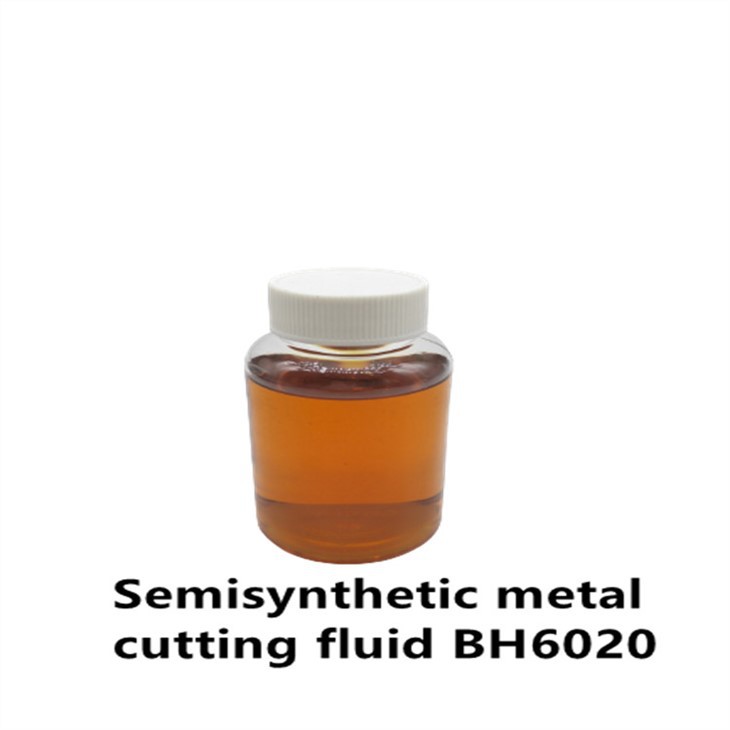

What are Synthetic Cutting Oils?
Synthetic cutting oils, on the other hand, are man - made. They're formulated using chemical compounds to provide specific properties that meet the demands of modern machining operations.
One of the key benefits of synthetic cutting oils is their high thermal stability. They can handle much higher temperatures than mineral oils without breaking down. This makes them ideal for high - speed machining and operations that generate a lot of heat, like grinding and milling hard metals.
Synthetic oils also have excellent anti - corrosion properties. They can protect the workpiece and the cutting tool from rust and corrosion, which is especially important when working with metals that are prone to oxidation.
In terms of environmental friendliness, synthetic cutting oils are often a better choice. They typically have a lower toxicity level and produce less smoke and odor compared to mineral oils. This creates a healthier working environment for your employees.
But, there's a catch. Synthetic cutting oils are usually more expensive than mineral oils. The cost of production and the advanced chemical formulations contribute to their higher price tag. This can be a deterrent for some shops, especially those on a tight budget.
Performance Comparison
Let's talk about performance. When it comes to lubrication, both synthetic and mineral cutting oils can do the job. However, synthetic oils often provide a more consistent and long - lasting lubricating film. This means better tool life and a smoother surface finish on the workpiece.
In terms of cooling, synthetic oils have an edge. Their high thermal stability allows them to carry away heat more effectively from the cutting zone. This helps to prevent overheating of the tool and the workpiece, reducing the risk of thermal damage and improving the overall quality of the cut.
For operations that require high precision, synthetic cutting oils are usually the go - to choice. Their consistent properties and ability to maintain a stable performance under different conditions make them ideal for producing parts with tight tolerances.
Application Considerations
The choice between synthetic and mineral cutting oils also depends on the type of machining operation you're performing. For general machining of common metals like steel and aluminum, mineral cutting oils can work just fine. They're cost - effective and provide adequate lubrication and cooling for these types of jobs.
However, if you're working with exotic metals like titanium or nickel alloys, or if you're performing high - speed or high - precision machining, synthetic cutting oils are likely to be a better option. These materials require more advanced cutting fluids to handle the high temperatures and stresses involved in the machining process.
The size and scale of your operation also matter. If you're a small shop with limited resources, the lower cost of mineral cutting oils might be more appealing. But for larger operations where productivity and quality are top priorities, the investment in synthetic cutting oils could pay off in the long run through reduced tool wear and improved part quality.
Maintenance and Disposal
Maintenance is another aspect to consider. Mineral cutting oils require more frequent monitoring and maintenance. You need to keep an eye on the oil's viscosity, acidity, and contamination levels. If the oil breaks down or becomes contaminated, it can lead to poor machining performance and damage to your equipment.
Synthetic cutting oils, on the other hand, are generally more stable and require less maintenance. They have a longer service life and are less prone to oxidation and degradation. This means less downtime for oil changes and filter replacements.
When it comes to disposal, synthetic cutting oils are often easier to deal with. They're more environmentally friendly and may require fewer special handling procedures compared to mineral oils, which can contain harmful contaminants and need to be disposed of properly to avoid environmental damage.
Conclusion
So, there you have it - the differences between synthetic and mineral cutting oils. As a cutting oil supplier, I understand that every shop has its own unique needs and budget constraints. Whether you choose synthetic or mineral cutting oil depends on a variety of factors, including the type of machining operation, the materials you're working with, and your financial situation.
If you're in the market for cutting oils, I encourage you to check out our Metal Cutting Oil. We offer a range of high - quality cutting oils, both synthetic and mineral, to meet the diverse needs of our customers. Whether you're a small - scale workshop or a large manufacturing facility, we've got the right cutting oil for you.
If you have any questions or want to discuss your specific requirements, don't hesitate to reach out. Our team of experts is always here to help you make the best choice for your machining operations. Let's work together to ensure that your cutting processes are efficient, cost - effective, and produce high - quality parts.
References
- Smith, J. (2018). "Cutting Fluids: A Comprehensive Guide". Machining Technology Press.
- Johnson, R. (2019). "Advances in Synthetic Cutting Oils". Industrial Lubrication Journal.
- Brown, T. (2020). "Mineral vs. Synthetic Cutting Oils: A Performance Comparison". Manufacturing Insights Magazine.


