


Hey there! I'm an Ashless Hydraulic Oil HM32# supplier, and today I want to chat about how temperature affects the viscosity of this awesome oil. It's a topic that's super important for anyone using hydraulic systems, so let's dive right in.
First off, let's talk about what viscosity is. In simple terms, viscosity is a measure of a fluid's resistance to flow. Think of it like this: honey is more viscous than water because it flows more slowly. For hydraulic oil, viscosity is crucial because it determines how well the oil can lubricate and transfer power within the hydraulic system.
Now, let's get to the main point: temperature and its effects on the viscosity of Ashless Hydraulic Oil HM32#. As the temperature changes, the viscosity of the oil changes too, and this can have some significant impacts on the performance of your hydraulic system.
Low - Temperature Effects
When the temperature drops, the viscosity of Ashless Hydraulic Oil HM32# increases. This means the oil becomes thicker and flows more slowly. At extremely low temperatures, the oil can become so thick that it's difficult for the hydraulic pump to draw it in. This can lead to several problems.
One major issue is poor lubrication. When the oil is too thick, it may not be able to reach all the parts of the hydraulic system that need lubrication. This can cause increased friction and wear on components like pistons, valves, and cylinders. Over time, this can lead to premature failure of these parts, which can be costly to replace.
Another problem is reduced system response. Since the thick oil flows slowly, it takes longer for the hydraulic actuators to move. This can result in a delay in the operation of machinery, which can be a real headache in industrial settings where precision and speed are essential.
For example, in a cold climate construction site, if the hydraulic oil in an excavator's arm thickens due to low temperatures, the arm may move sluggishly or with a delay. This not only affects the efficiency of the construction work but also poses a safety risk.
High - Temperature Effects
On the flip side, when the temperature rises, the viscosity of Ashless Hydraulic Oil HM32# decreases. The oil becomes thinner and flows more easily. While this might seem like a good thing at first, it also has its drawbacks.
When the oil is too thin, it has a harder time maintaining a proper lubricating film between the moving parts. This can cause metal - to - metal contact, which leads to increased friction, heat generation, and wear. In extreme cases, it can even cause seizures or damage to the hydraulic system.
Moreover, thin oil can leak more easily. Hydraulic systems rely on a pressurized oil environment to function properly. If the oil leaks due to its low viscosity, the system pressure drops, and the system may not be able to generate enough force to operate the machinery effectively.
For instance, in a manufacturing plant where hydraulic presses are used, high temperatures can cause the Ashless Hydraulic Oil HM32# to thin out. This can lead to oil leaks, reduced press force, and inconsistent product quality.
Optimal Temperature Range
So, what's the optimal temperature range for Ashless Hydraulic Oil HM32#? Well, generally, this oil is designed to work effectively within a certain temperature range. Usually, it performs best between - 20°C to 80°C. However, this can vary depending on the specific application and the conditions of the hydraulic system.
It's important to note that modern hydraulic systems often have temperature control measures in place. These can include coolers and heaters to keep the oil temperature within the optimal range. But even with these controls, it's still essential to understand how temperature affects the oil's viscosity.
Comparing with Other Hydraulic Oils
Let's take a quick look at how Ashless Hydraulic Oil HM32# compares with other similar oils, like Ashless Hydraulic Oil HM46#. HM46# has a higher viscosity than HM32# at the same temperature. This means that HM46# is thicker and more resistant to flow.
In applications where higher pressure and heavier loads are involved, HM46# might be a better choice because its higher viscosity can provide better lubrication and support. However, in systems that require faster operation and lower power consumption, HM32# is often preferred due to its relatively lower viscosity.
The Benefits of Ashless Hydraulic Oil HM32#
Ashless Hydraulic Oil HM32# has several advantages over other hydraulic oils. First of all, as an Ash - free Anti - wear Hydraulic Oil, it contains no ash - forming additives. This means less deposit formation in the hydraulic system, which helps to keep the system clean and reduces the risk of component blockages.
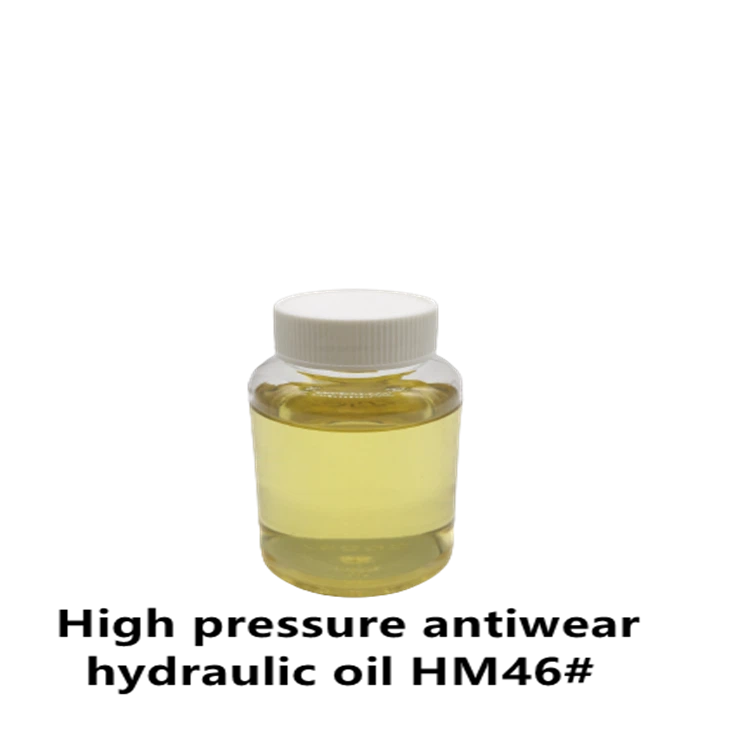

It also has excellent anti - wear properties, which protect the hydraulic components from damage. This extends the lifespan of the system and reduces maintenance costs. Additionally, it has good oxidation stability, which means it can resist degradation due to exposure to air and high temperatures for a longer time.
Importance of Monitoring Temperature and Viscosity
As a supplier, I can't stress enough the importance of monitoring the temperature and viscosity of Ashless Hydraulic Oil HM32# in your hydraulic system. Regularly checking these parameters can help you detect potential problems early on.
You can use temperature sensors to keep an eye on the oil temperature and viscometers to measure the viscosity. By comparing the measured values with the recommended ranges, you can determine if the oil is performing as expected or if there are any issues that need to be addressed.
Conclusion and Call to Action
In conclusion, temperature has a significant impact on the viscosity of Ashless Hydraulic Oil HM32#. Understanding these effects is crucial for ensuring the proper operation and longevity of your hydraulic system. Whether it's dealing with low - temperature thickening or high - temperature thinning, being aware of how temperature affects viscosity can help you take the necessary steps to maintain your system's performance.
If you're in the market for high - quality Ashless Hydraulic Oil HM32#, look no further. We're here to supply you with the best products and offer expert advice on how to use them effectively. Feel free to reach out to us for procurement discussions, and let's work together to keep your hydraulic systems running smoothly.
References
- Brown, J. (2020). Hydraulic Fluid Technology. Elsevier.
- Smith, A. (2019). Temperature Effects on Lubricants. Journal of Tribology.
- Johnson, R. (2021). Guide to Hydraulic System Maintenance. McGraw - Hill.


