

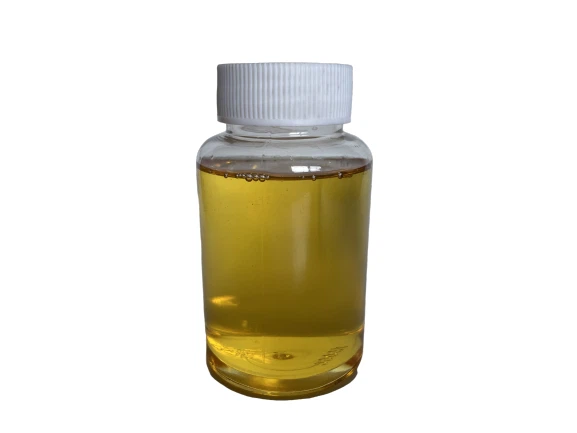
As a supplier of Mine Support Emulsion Oil, I understand the critical importance of ensuring the quality and performance of our products. Mine Support Emulsion Oil plays a vital role in the safe and efficient operation of mining equipment, particularly in hydraulic support systems. To guarantee that our emulsion oil meets the highest standards, we employ a variety of inspection methods. In this blog post, I will delve into these inspection methods to provide a comprehensive understanding of how we maintain the quality of our Mine Support Emulsion Oil.

Physical Property Inspection
Density
Density is a fundamental physical property of Mine Support Emulsion Oil. It is measured using a density meter at a specific temperature, usually 20°C. The density of the emulsion oil can provide insights into its composition and purity. Any significant deviation from the standard density may indicate the presence of contaminants or improper formulation. For example, if the density is too high, it could suggest the presence of heavy impurities or an incorrect ratio of additives.
Viscosity
Viscosity is another crucial physical property that affects the performance of the emulsion oil in hydraulic systems. It determines the oil's resistance to flow and its ability to lubricate moving parts effectively. We measure the viscosity of our Mine Support Emulsion Oil using a viscometer at different temperatures. The viscosity should be within a specified range to ensure proper operation of the hydraulic support equipment. If the viscosity is too low, the oil may not provide sufficient lubrication, leading to increased wear and tear on the components. On the other hand, if the viscosity is too high, it can cause poor flow and reduced efficiency of the hydraulic system.
Flash Point
The flash point is the lowest temperature at which the vapor of a flammable liquid can ignite when exposed to an open flame or spark. It is an important safety parameter for Mine Support Emulsion Oil, especially in underground mining environments where there is a risk of fire and explosion. We use a flash point tester to determine the flash point of our emulsion oil. A high flash point indicates better safety performance, as it reduces the likelihood of ignition.
Chemical Property Inspection
pH Value
The pH value of Mine Support Emulsion Oil reflects its acidity or alkalinity. It is an important indicator of the oil's chemical stability and its compatibility with the materials in the hydraulic system. We measure the pH value using a pH meter. The ideal pH range for our emulsion oil is typically between 7 and 9, which is slightly alkaline. This helps to prevent corrosion of the metal components in the hydraulic system and ensures the long - term stability of the oil.
Water Content
Water content is a critical factor in the quality of Mine Support Emulsion Oil. Excessive water can cause corrosion, oxidation, and the growth of microorganisms in the oil, which can significantly reduce its performance and lifespan. We use a Karl Fischer titrator to measure the water content in our emulsion oil. The water content should be kept as low as possible, usually below a certain percentage (e.g., 0.1%).
Elemental Analysis
Elemental analysis is used to determine the presence and concentration of various elements in the Mine Support Emulsion Oil. We use techniques such as inductively coupled plasma - mass spectrometry (ICP - MS) or atomic absorption spectroscopy (AAS). This analysis can detect the presence of metals such as iron, copper, and zinc, which may indicate wear of the hydraulic components. It can also detect the presence of contaminants such as sulfur and phosphorus, which can affect the oil's performance and environmental impact.
Emulsion Stability Inspection
Emulsion Separation Time
The emulsion separation time is an important measure of the stability of Mine Support Emulsion Oil. It refers to the time it takes for the emulsion to separate into its oil and water phases under certain conditions. We conduct this test by observing the separation of the emulsion in a graduated cylinder over a period of time. A longer emulsion separation time indicates better stability, which means the oil can maintain its emulsified state for a longer period, ensuring consistent performance in the hydraulic system.
Particle Size Distribution
The particle size distribution in the emulsion oil can affect its stability and performance. We use a particle size analyzer to measure the size of the oil droplets in the emulsion. The ideal particle size distribution should be within a certain range to ensure good dispersion and stability of the emulsion. If the particle size is too large, the emulsion may be prone to separation, while if the particle size is too small, it may affect the lubrication properties of the oil.
Microbiological Inspection
Bacterial and Fungal Count
Microorganisms such as bacteria and fungi can grow in Mine Support Emulsion Oil, especially in the presence of water and organic matter. These microorganisms can cause odor, slime formation, and corrosion in the hydraulic system. We use microbiological culture methods to count the number of bacteria and fungi in the oil. Regular microbiological inspection helps us to detect and prevent microbial contamination, ensuring the quality and performance of the oil.
Product Applications and Related Links
Our Mine Support Emulsion Oil has a wide range of applications in different mining scenarios. For general hydraulic support systems, our Emulsified Oil for Hydraulic Support provides excellent lubrication and stability. In environmentally sensitive mining areas, our Emulsified oil for environmentally friendly mining support is the ideal choice, as it is formulated to minimize environmental impact. For electro - hydraulic control systems, our Hydraulic support oil for electro - hydraulic control system offers precise control and high - performance lubrication.
Conclusion and Procurement Invitation
In conclusion, the inspection methods for Mine Support Emulsion Oil are comprehensive and rigorous, covering physical, chemical, emulsion stability, and microbiological aspects. These inspections ensure that our products meet the highest quality standards and can provide reliable performance in mining operations.
If you are in the mining industry and are looking for high - quality Mine Support Emulsion Oil, we invite you to contact us for procurement and further discussion. Our team of experts is ready to provide you with detailed product information and technical support to meet your specific needs.
References
- ASTM International. ASTM standards related to lubricating oils and hydraulic fluids.
- ISO standards for mining equipment lubricants.
- Technical literature on hydraulic system maintenance and lubrication.


