

As a supplier of Hydraulic Support Antifreeze, I've had numerous discussions with industry professionals about the age - old debate of domestic vs. imported hydraulic support antifreeze. In this blog, I'll delve into the key performance differences between these two types, offering insights that can help you make an informed decision for your hydraulic support systems.
Freezing Point and Temperature Resistance
One of the primary functions of hydraulic support antifreeze is to prevent the hydraulic fluid from freezing in cold environments. Imported antifreeze products are often lauded for their sophisticated formulation processes. They are typically engineered to handle extremely low temperatures, with some able to maintain fluidity at temperatures as low as - 40°C or even lower. This high - end performance is particularly crucial in regions with harsh winter climates, such as the northern parts of Russia or Canada, where mining operations continue year - round.
Domestic hydraulic support antifreeze has also made significant strides in this area. While they may not always match the extreme low - temperature performance of imported counterparts right off the bat, domestic products are designed to meet the needs of a wide variety of climates within the country. For average winter conditions, which usually range from 0°C to - 20°C in many domestic areas, domestic antifreeze provides reliable freezing protection at a more affordable price point.
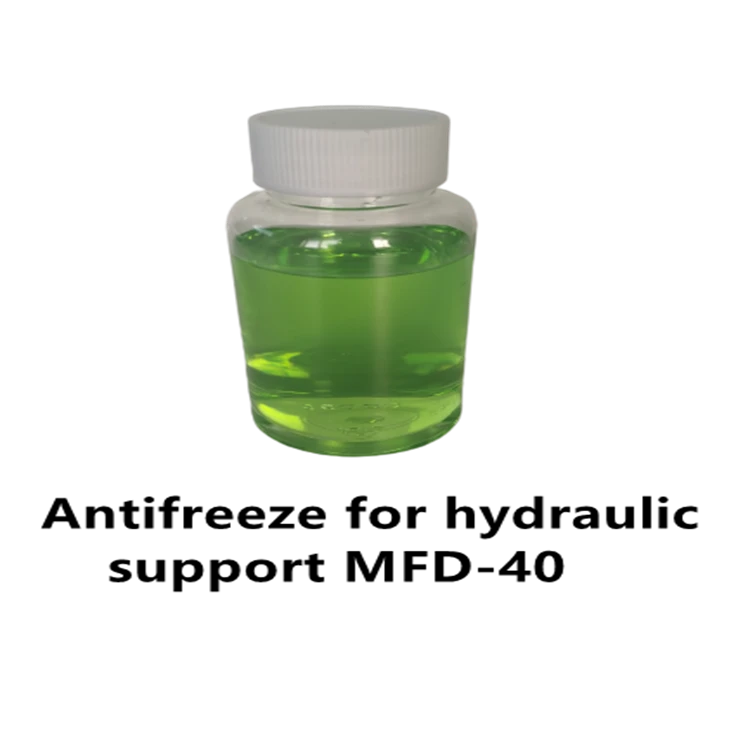
If you're operating in a mild - to - moderately cold climate, domestic antifreeze like the Antifreeze for Hydraulic Support could be a perfect fit. However, if your operations are in an area with extremely frigid winters, it might be worth considering imported options or high - specification domestic alternatives.

Corrosion Protection
Corrosion is a major concern in hydraulic support systems, as it can lead to reduced equipment lifespan and performance degradation. Imported antifreeze often contains advanced corrosion inhibitors, which are formulated to protect a wide range of metals used in hydraulic support structures, including steel, aluminum, and copper alloys. These inhibitors form a protective film on metal surfaces, preventing the formation of rust and other forms of corrosion even in the presence of water and oxygen. The research and development for these inhibitors are usually based on extensive international standards and real - world testing across different industrial environments.
Domestic hydraulic support antifreeze is also focused on corrosion protection, but the effectiveness can vary depending on the specific product. Many domestic manufacturers have developed domestic - specific corrosion inhibitors that are tailored to local water quality and typical operating conditions. For example, in areas with high - mineral content water, domestic products may have inhibitors that are more effective at preventing scale and corrosion caused by hard water. Our Antifreeze For Hydraulic Support has been rigorously tested in domestic water conditions and shows excellent corrosion - resistant properties.
Compatibility with Hydraulic Systems
Hydraulic support systems can be made up of different materials and components, and the antifreeze must be compatible with these elements to ensure smooth operation. Imported antifreeze products are usually designed to be highly compatible with a wide range of hydraulic system materials. They go through comprehensive compatibility testing against various seals, gaskets, and hydraulic fluids from different manufacturers. This makes them a safe choice for complex or high - end hydraulic systems where any incompatibility could lead to leaks, reduced efficiency, or even system failure.
On the other hand, domestic hydraulic support antifreeze is often more in tune with domestic - made hydraulic systems. Since these systems may have some unique design and material characteristics, domestic antifreeze can be formulated to specifically match these requirements. It also offers a cost - effective solution for domestic hydraulic support systems without compromising on the basic compatibility needs. Our Antifreeze For Hydraulic is carefully tested for compatibility with popular domestic hydraulic system models.
Lubrication Performance
In addition to its anti - freezing and anti - corrosion properties, hydraulic support antifreeze also serves as a lubricant for moving parts within the hydraulic system. Imported antifreeze often has excellent lubrication capabilities, which can reduce friction between components such as pistons and cylinders. This not only improves the overall efficiency of the hydraulic system but also extends the service life of the equipment. The lubrication additives in imported products are often of high quality and are formulated based on advanced tribological research.
Domestic hydraulic support antifreeze has also recognized the importance of lubrication. Many domestic products are formulated with lubrication additives that can effectively reduce wear and tear on hydraulic system components. While they may not always have the same level of high - end lubrication technology as imported products, they still provide sufficient lubrication for normal operating conditions.
Cost - effectiveness
Cost is an important factor for many customers when choosing hydraulic support antifreeze. Imported antifreeze is generally more expensive due to factors such as import tariffs, transportation costs, and the high - end technology used in its production. However, in some cases, the high performance and reliability of imported products can offset the higher cost, especially for large - scale or high - stakes mining operations.
Domestic hydraulic support antifreeze, on the other hand, is more cost - effective. It offers a good balance between performance and price, making it an attractive option for small - to - medium - sized operations or those with budget constraints.
In conclusion, both domestic and imported hydraulic support antifreeze have their own advantages. When choosing between the two, you need to consider the specific requirements of your hydraulic support system, the operating environment, and your budget. Whether you need a high - performance imported product for extreme conditions or a cost - effective domestic option for normal use, we can offer you suitable solutions. If you're interested in purchasing hydraulic support antifreeze or have any questions about product selection, please feel free to contact us to start a procurement discussion.
References
- R. J. Johnson, "Hydraulic Systems: Principles and Applications", Second Edition.
- Industrial Lubrication Handbook, Edited by T. Mang and W. Dresel.
- Local industry reports on hydraulic support antifreeze performance and market trends.


