

As a trusted supplier of Ashless Hydraulic Oil HM46#, I understand the importance of maintaining the purity and performance of this high - quality product. Contamination of hydraulic oil can lead to a series of problems in hydraulic systems, such as reduced efficiency, increased wear and tear, and even system failures. In this blog, I will discuss the signs that indicate Ashless Hydraulic Oil HM46# has been contaminated.
1. Visual Changes
One of the most straightforward ways to detect contamination is through visual inspection. Clean Ashless Hydraulic Oil HM46# typically has a clear and consistent appearance. If you notice any of the following visual changes, it could be a sign of contamination:
-
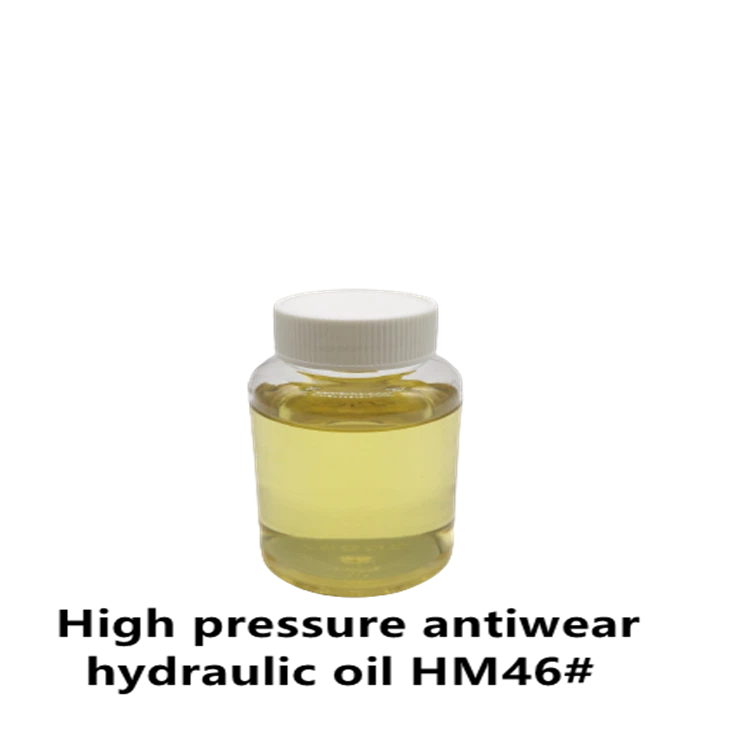
Cloudiness or Haze: A clear oil that becomes cloudy or hazy may indicate the presence of water, fine particulate matter, or microbial growth. Water can enter the hydraulic system through condensation or leakage, and it can cause rust and corrosion within the system. Particulate matter can come from wear debris, dirt, or dust that has entered the oil. Microbial growth, such as bacteria or fungi, can thrive in the oil if the conditions are right, and it can produce slime and other by - products that cloud the oil.

-
Color Changes: A significant change in the color of the oil can also be a sign of contamination. For example, if the oil turns dark brown or black, it may be due to oxidation. Oxidation occurs when the oil reacts with oxygen in the air, especially at high temperatures. This process can break down the oil's additives and reduce its lubricating properties. Additionally, the presence of certain contaminants, such as metal particles, can also cause a change in color.
-
Sediment or Sludge: If you see sediment or sludge at the bottom of the oil reservoir or in the filters, it is a clear indication of contamination. Sediment can consist of wear particles, dirt, and rust, while sludge can be the result of oxidation, microbial growth, or the combination of different contaminants. Both sediment and sludge can clog filters, restrict oil flow, and cause damage to hydraulic components.
2. Odor Changes
The smell of Ashless Hydraulic Oil HM46# can also provide valuable clues about its condition. Fresh oil usually has a mild, characteristic odor. However, if you detect any unusual odors, it may be a sign of contamination:
- Burning Smell: A burning smell in the oil could indicate overheating within the hydraulic system. Overheating can cause the oil to break down and release foul - smelling by - products. This can be due to excessive friction, a malfunctioning pump, or a blocked oil passage.
- Sour or Rotten Smell: A sour or rotten smell may be a sign of microbial contamination. Bacteria and fungi can produce sulfur - containing compounds that give the oil a foul odor. Microbial growth can also lead to the formation of biofilms, which can clog filters and cause damage to hydraulic components.
3. Performance Degradation
Contaminated Ashless Hydraulic Oil HM46# can significantly affect the performance of hydraulic systems. Here are some performance - related signs that may indicate contamination:
- Increased Noise: Unusual noises, such as rattling, knocking, or whining, can be a sign of contamination in the hydraulic system. Contaminants can cause uneven wear on hydraulic components, such as pumps, valves, and cylinders, leading to increased friction and noise during operation.
- Reduced Efficiency: If the hydraulic system is not operating as efficiently as it used to, it could be due to contaminated oil. Contaminants can cause internal leakage in valves and cylinders, reducing the system's ability to generate and transmit pressure effectively. This can result in slower operation, decreased power output, and increased energy consumption.
- Erratic Operation: Contamination can also cause the hydraulic system to operate erratically. For example, the system may experience sudden stalling, jerking, or inconsistent speed control. This can be due to the blocking of small orifices and passages in the valves, which disrupts the normal flow of oil and pressure regulation.
4. Filter Clogging
Filters play a crucial role in maintaining the cleanliness of hydraulic oil. If the filters in your hydraulic system are clogging more frequently than normal, it may be a sign of contamination. Contaminants such as dirt, metal particles, and sludge can accumulate on the filter media, reducing its ability to trap further contaminants and eventually causing it to clog. A clogged filter can restrict oil flow, leading to increased pressure drop, reduced system performance, and potential damage to hydraulic components.
5. Wear and Tear of Components
Contaminated Ashless Hydraulic Oil HM46# can accelerate the wear and tear of hydraulic components. If you notice any of the following signs of component wear, it may be related to oil contamination:
- Scoring or Pitting: Scoring or pitting on the surfaces of cylinders, pistons, and valves can be caused by abrasive particles in the oil. These particles can act like sandpaper, wearing away the metal surfaces and reducing the component's lifespan.
- Seal Damage: Contaminants can also cause damage to seals in the hydraulic system. Hard particles can cut or abrade the seals, leading to oil leakage. Additionally, certain chemicals or contaminants in the oil can react with the seal material, causing it to swell, shrink, or become brittle, which can also result in leakage.
Importance of Addressing Contamination
Identifying and addressing contamination in Ashless Hydraulic Oil HM46# promptly is crucial for the proper functioning and longevity of hydraulic systems. Contaminated oil can lead to costly repairs, downtime, and premature replacement of components. By regularly monitoring the oil for signs of contamination and taking appropriate measures to maintain its cleanliness, you can ensure the reliable operation of your hydraulic equipment.
Additional Resources
If you are interested in learning more about our hydraulic oil products, you can visit the following links:
Contact for Purchase
If you are in need of high - quality Ashless Hydraulic Oil HM46# or other related products, we encourage you to contact us for a purchase discussion. Our team of experts is ready to assist you in finding the best solutions for your hydraulic system needs.
References
- "Hydraulic System Design and Maintenance Guide" by Industrial Press Inc.
- "Lubrication Fundamentals" by Rudolf M. Baumann.
- "Hydraulic Fluid Technology" by American Society of Mechanical Engineers (ASME).


