

As a supplier of Ashless Hydraulic Oil HM46#, I often receive inquiries about the long - term anti - foam stability of our product. In this blog, I will delve into this topic, exploring the factors that affect anti - foam stability over time and why our Ashless Hydraulic Oil HM46# stands out in this regard.
Understanding Anti - foam Stability
Anti - foam stability is a crucial property of hydraulic oils. When air is entrained in hydraulic oil, it forms bubbles. These bubbles can cause a variety of problems in hydraulic systems, such as reduced efficiency, increased wear on components, and even system failure in severe cases. Anti - foam additives are used in hydraulic oils to prevent the formation of stable foam and to promote the rapid collapse of any bubbles that do form.
Over time, the anti - foam stability of hydraulic oil can degrade. This degradation can be influenced by several factors, including oxidation, contamination, and mechanical shearing. Oxidation occurs when the oil reacts with oxygen in the presence of heat and metal catalysts. This reaction can break down the anti - foam additives and other components of the oil, reducing its ability to control foam. Contamination, such as dirt, water, or other foreign substances, can also interfere with the performance of anti - foam additives. Mechanical shearing, which happens when the oil is subjected to high - pressure and high - speed conditions in the hydraulic system, can physically break down the anti - foam additives.
The Anti - foam Stability of Ashless Hydraulic Oil HM46#
Our Ashless Hydraulic Oil HM46# is formulated with high - quality base oils and advanced anti - foam additives. These additives are carefully selected to provide excellent anti - foam performance over an extended period.
One of the key features of our Ashless Hydraulic Oil HM46# is its high oxidation resistance. The base oils used in our product have a low tendency to oxidize, which helps to preserve the effectiveness of the anti - foam additives. Additionally, we use oxidation inhibitors in the formulation to further slow down the oxidation process. This means that even after long - term use, the anti - foam stability of our oil remains relatively high.
Another important aspect is the resistance to contamination. Our Ashless Hydraulic Oil HM46# has good water - separating properties, which means that it can quickly separate from water that may enter the system. Water can cause foaming and also accelerate the oxidation of the oil. By effectively separating water, our oil reduces the risk of foam formation and maintains its anti - foam stability. Moreover, the oil has a high tolerance for particulate contamination. The anti - foam additives in our oil are designed to work even in the presence of small amounts of dirt and other contaminants.
In terms of mechanical shearing, our anti - foam additives are engineered to be shear - stable. They can withstand the high - pressure and high - speed conditions in hydraulic systems without losing their effectiveness. This ensures that the anti - foam performance of our Ashless Hydraulic Oil HM46# remains consistent throughout its service life.
Long - term Testing Results
To demonstrate the long - term anti - foam stability of our Ashless Hydraulic Oil HM46#, we have conducted extensive laboratory tests and field trials.
In laboratory tests, we simulate the real - world operating conditions of hydraulic systems. We subject the oil to high temperatures, oxygen, and mechanical shearing for extended periods. The results show that even after thousands of hours of testing, the anti - foam performance of our Ashless Hydraulic Oil HM46# remains within the acceptable range. The foam volume generated in the tests is minimal, and the foam collapses quickly, indicating that the anti - foam additives are still effective.
Field trials have also been carried out in various industrial applications. We have installed our Ashless Hydraulic Oil HM46# in hydraulic systems of different types, including construction equipment, industrial machinery, and automotive hydraulic systems. In these real - world settings, the oil has consistently shown excellent anti - foam stability. Customers have reported that they experience fewer foam - related problems, such as reduced system efficiency and component wear, when using our product.

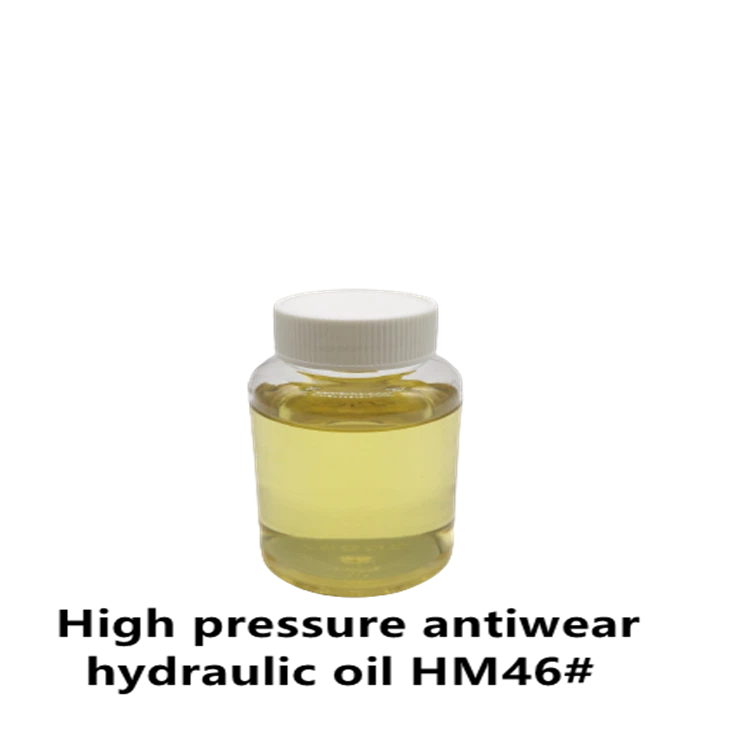
Comparison with Other Grades
In addition to Ashless Hydraulic Oil HM46#, we also offer Ashless Hydraulic Oil HM32# and Ashless Hydraulic Oil HM68#. These products have similar anti - foam performance characteristics, but the viscosity of the oil can affect the anti - foam behavior to some extent.
Ashless Hydraulic Oil HM32# has a lower viscosity than HM46#. This lower viscosity means that air can more easily be entrained in the oil, but at the same time, the oil can also release the air more quickly. Our formulation of HM32# is optimized to balance these factors and provide good anti - foam stability.
On the other hand, Ashless Hydraulic Oil HM68# has a higher viscosity. The higher viscosity can make it more difficult for air to escape from the oil, but our anti - foam additives in HM68# are designed to counteract this effect. They help to promote the rapid collapse of bubbles and maintain the anti - foam stability of the oil.
Maintaining the Anti - foam Stability of Ashless Hydraulic Oil HM46#
While our Ashless Hydraulic Oil HM46# is designed to have excellent long - term anti - foam stability, proper maintenance of the hydraulic system is still important to ensure optimal performance.
Regular oil analysis is recommended. By analyzing the oil samples, we can monitor the condition of the oil, including its anti - foam performance, oxidation level, and contamination status. If any issues are detected, appropriate actions can be taken, such as changing the oil or adding additives.
Proper filtration is also crucial. A good filtration system can remove contaminants from the oil, reducing the risk of foam formation and maintaining the effectiveness of the anti - foam additives. It is important to use high - quality filters and to replace them at the recommended intervals.
In addition, controlling the operating temperature of the hydraulic system is essential. High temperatures can accelerate the oxidation of the oil and degrade the anti - foam additives. By keeping the temperature within the recommended range, we can extend the service life of the oil and maintain its anti - foam stability.
Conclusion
In conclusion, the anti - foam stability of our Ashless Hydraulic Oil HM46# remains excellent over time. Thanks to its high oxidation resistance, resistance to contamination, and shear - stable anti - foam additives, our product can effectively control foam in hydraulic systems for an extended period. Whether in laboratory tests or real - world applications, our Ashless Hydraulic Oil HM46# has proven its reliability in terms of anti - foam performance.
If you are interested in learning more about our Ashless Hydraulic Oil HM46# or would like to discuss your specific lubrication needs, please feel free to contact us. We are committed to providing you with the best - quality products and professional technical support.
References
- ASTM D892 - Standard Test Method for Foaming Characteristics of Lubricating Oils.
- ISO 12921 - Hydraulic fluid power - Fluids - Method for evaluating the air - release characteristics.
- Product literature on hydraulic oils from leading lubricant manufacturers.


