

Hey there, gear system enthusiasts! As a supplier of Industrial Gear Oil, I've seen firsthand how crucial it is to add the right oil in the right way. In this blog, I'll share with you the best practices for adding industrial gear oil to a gear system.
First things first, let's talk about why proper oil addition is so important. Industrial gear systems are the workhorses of many industries, from manufacturing to mining. They rely on high - quality gear oil to reduce friction, prevent wear and tear, and dissipate heat. If the oil isn't added correctly, it can lead to all sorts of problems, like premature gear failure, increased energy consumption, and costly downtime.
Choosing the Right Industrial Gear Oil
Before you start adding oil, you need to make sure you've got the right type. There are different kinds of industrial gear oils out there, each designed for specific applications.
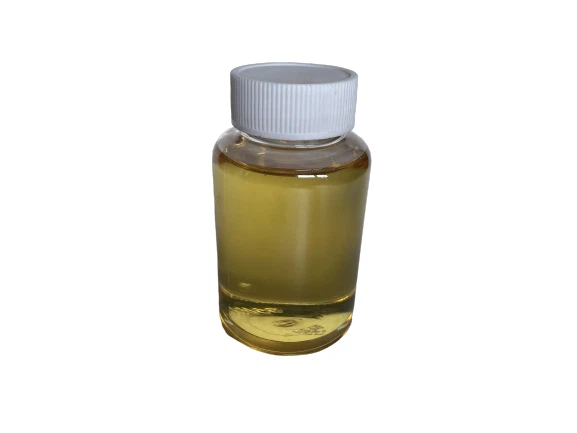
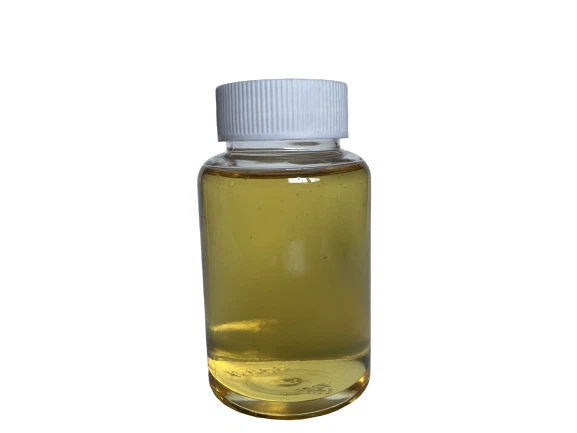
For general - purpose applications, Industrial Gear Oils are a great choice. These oils provide good protection against wear and oxidation, and they're suitable for a wide range of gear systems operating under normal conditions.
If your gear system is under a bit more stress, say in a medium - duty industrial environment, Medium Duty Industrial Gear Oil might be the way to go. It has enhanced additives that can handle higher loads and temperatures.
And for worm gear systems, which have unique lubrication requirements, Worm gear oil is specifically formulated to reduce friction and prevent scuffing.
Pre - addition Checks
Once you've got the right oil, it's time to do some pre - addition checks.
Inspect the Gear System: Take a close look at the gear system for any signs of damage or wear. Check for cracks, chips, or excessive wear on the gears. If you notice any issues, it's best to address them before adding new oil.
Check the Oil Level: If the gear system already has oil in it, check the current oil level. You can use a dipstick or an oil sight glass. Make sure you know the correct oil level range for your specific gear system.
Clean the Fill Port: The fill port is where you'll be adding the oil. Clean it thoroughly to prevent any dirt or debris from getting into the gear system when you add the oil. You can use a clean cloth or a brush to remove any contaminants.
Adding the Oil
Now, let's get to the actual process of adding the oil.
Use the Right Equipment: You'll need a clean funnel or a dedicated oil dispenser. Make sure the equipment is free from any dirt or old oil. If you're using a funnel, line it with a fine - mesh filter to catch any impurities in the new oil.
Add the Oil Slowly: Pour the oil slowly into the fill port. This helps prevent splashing and ensures that the oil is evenly distributed in the gear system. As you're adding the oil, keep an eye on the oil level indicator. Stop adding oil when you reach the correct level.
Prime the System (if necessary): Some gear systems may require priming after adding the oil. Priming helps to circulate the oil throughout the system and ensures that all the gears are properly lubricated. Follow the manufacturer's instructions on how to prime the system.
Post - addition Checks
After you've added the oil, there are a few more checks you should do.
Run the Gear System: Start the gear system and let it run for a short period. Listen for any unusual noises or vibrations. If you hear anything out of the ordinary, stop the system immediately and check for problems.
Check for Leaks: Inspect the gear system for any oil leaks. Look around the seals, gaskets, and connections. If you find a leak, it's important to fix it as soon as possible to prevent oil loss and potential damage to the gear system.
Monitor the Oil: Keep an eye on the oil over the next few days or weeks. Check the oil level regularly and look for any signs of contamination, such as metal particles or discoloration. If you notice any issues, it may be a sign that there's a problem with the gear system or the oil.
Maintenance and Best Practices
To keep your gear system running smoothly, here are some maintenance and best practices to follow.
Regular Oil Changes: Follow the manufacturer's recommended oil change intervals. Over time, the oil can break down and lose its effectiveness. Regular oil changes help to ensure that the gear system is always properly lubricated.
Filter Replacement: If your gear system has an oil filter, make sure to replace it at the recommended intervals. A clean filter helps to remove contaminants from the oil and prolong its life.
Keep Records: Keep a record of all oil additions, oil changes, and maintenance activities. This can help you track the performance of the gear system and identify any potential issues early on.
Conclusion
Adding industrial gear oil to a gear system may seem like a simple task, but it's actually a critical step in ensuring the long - term performance and reliability of the system. By choosing the right oil, doing proper pre - and post - addition checks, and following best practices for maintenance, you can keep your gear system running smoothly for years to come.
If you're in the market for high - quality industrial gear oil or have any questions about the oil addition process, I'd love to help. Reach out to us for a detailed discussion about your specific needs and how our products can meet them. We're here to make sure your gear systems are always in top - notch condition.
References
- Gear System Maintenance Handbook
- Industrial Lubrication Guidelines
- Manufacturer's Manuals for Gear Systems
