

As a supplier of Mine Support Emulsion Oil, I've witnessed firsthand the crucial role this product plays in the mining industry. Mine Support Emulsion Oil is specifically formulated to meet the demanding requirements of hydraulic support systems in mines, providing lubrication, corrosion protection, and anti - wear properties. In this blog, I'll share the best way to apply Mine Support Emulsion Oil based on my years of experience and industry knowledge.
Understanding the Basics of Mine Support Emulsion Oil
Before delving into the application methods, it's essential to understand what Mine Support Emulsion Oil is. It is a type of oil - in - water emulsion, where fine droplets of oil are dispersed in water. This unique composition offers several advantages, such as good heat dissipation, environmental friendliness, and cost - effectiveness. The emulsion can effectively reduce friction and wear between moving parts in hydraulic support systems, ensuring smooth operation and extending the service life of equipment.
Preparation Before Application
- Inspect the Equipment
Before applying the Mine Support Emulsion Oil, thoroughly inspect the hydraulic support system. Check for any signs of damage, leaks, or blockages in the pipes, valves, and cylinders. Any issues should be addressed and repaired before adding the emulsion oil to prevent further problems. For example, a small leak in the hydraulic cylinder can lead to a loss of pressure and inefficient operation of the support system. - Clean the System
It is crucial to clean the hydraulic support system to remove any dirt, debris, or old oil. Use a suitable cleaning agent and follow the manufacturer's instructions. Flushing the system with clean water can also help to eliminate loose particles. A clean system ensures that the new Mine Support Emulsion Oil can perform optimally and reduces the risk of contamination. - Test the Water Quality
Since Mine Support Emulsion Oil is an oil - in - water emulsion, the quality of water used for dilution is of utmost importance. Test the water for hardness, pH level, and the presence of impurities. Hard water can cause the emulsion to break down, leading to poor lubrication and corrosion. If the water quality is not suitable, consider using a water softener or treating the water to meet the recommended standards. The ideal pH range for the water used in the emulsion is usually between 6.5 and 9.
Dilution and Mixing
- Follow the Manufacturer's Instructions
Each type of Mine Support Emulsion Oil has specific dilution ratios recommended by the manufacturer. These ratios are determined based on the operating conditions and requirements of the hydraulic support system. For example, in a high - pressure and heavy - duty mining environment, a higher concentration of oil in the emulsion may be required. Always follow the instructions provided on the product label to ensure the correct dilution. - Use Proper Mixing Equipment
To achieve a homogeneous emulsion, use appropriate mixing equipment. A mechanical stirrer or a mixing pump can be used to ensure that the oil and water are thoroughly mixed. The mixing process should be carried out slowly and steadily to prevent the formation of air bubbles, which can affect the performance of the emulsion. Continuously monitor the mixing process to ensure that the emulsion has a uniform appearance. - Check the Emulsion Stability
After mixing, check the stability of the Mine Support Emulsion Oil. A stable emulsion should have a milky appearance and should not separate into oil and water layers over a certain period. If the emulsion shows signs of instability, such as oil floating on the surface or water separating at the bottom, adjust the dilution ratio or the mixing process accordingly.
Application Process
- Fill the System
Once the Mine Support Emulsion Oil is properly diluted and mixed, carefully fill the hydraulic support system with the emulsion. Use a clean funnel or a filling device to avoid spillage. Start by filling the reservoir and then gradually add the emulsion to the pipes and cylinders through the appropriate ports. - Bleed the System
After filling the system, bleed the air from the hydraulic support system. Air in the system can cause cavitation, noise, and reduced efficiency. Open the bleed valves at the highest points in the system to allow the air to escape. Keep bleeding until a continuous flow of emulsion oil is observed, indicating that all the air has been removed. - Monitor the System
During the initial operation of the hydraulic support system after applying the Mine Support Emulsion Oil, closely monitor the system's performance. Check for any abnormal noises, vibrations, or changes in pressure. These could be signs of problems such as improper dilution, air in the system, or equipment malfunction. Regularly check the oil level in the reservoir and top up as needed.
Application in Different Mining Environments
- Underground Mines
In underground mines, the hydraulic support systems are often exposed to harsh conditions, including high humidity, dust, and corrosive gases. When applying Mine Support Emulsion Oil in underground mines, pay special attention to protecting the system from these environmental factors. Use sealed containers and pipes to prevent the ingress of dust and moisture. Additionally, choose a Mine Support Emulsion Oil with good anti - corrosion properties to protect the equipment from the corrosive effects of mine water and gases. - Open - pit Mines
In open - pit mines, the hydraulic support systems are more exposed to sunlight, wind, and rain. The Mine Support Emulsion Oil should have good resistance to oxidation and UV radiation. Consider using a cover or shelter to protect the system from direct sunlight and rain. Also, due to the larger scale of operations in open - pit mines, ensure that there is an adequate supply of Mine Support Emulsion Oil to meet the demand.
Maintenance After Application
- Regular Sampling and Analysis
Periodically take samples of the Mine Support Emulsion Oil from the hydraulic support system for analysis. Analyze the samples for properties such as viscosity, pH level, and the presence of contaminants. Regular analysis can help to detect any changes in the emulsion's performance and identify potential problems early. For example, a decrease in viscosity may indicate that the emulsion is breaking down, and corrective actions should be taken. - Replace the Oil at the Right Time
Over time, the Mine Support Emulsion Oil will degrade and lose its effectiveness. Follow the manufacturer's recommendations for the replacement interval. Factors such as the operating conditions, frequency of use, and the quality of the oil can affect the replacement time. Replacing the oil at the right time ensures that the hydraulic support system continues to operate efficiently. - Train the Operators
Provide training to the operators of the hydraulic support systems on the proper application and maintenance of Mine Support Emulsion Oil. Operators should be aware of the importance of following the correct procedures and be able to identify any signs of problems. Well - trained operators can contribute to the long - term performance and reliability of the mining equipment.
Links to Related Products
If you are interested in our Mine Support Emulsion Oil products, you can check out the following links:
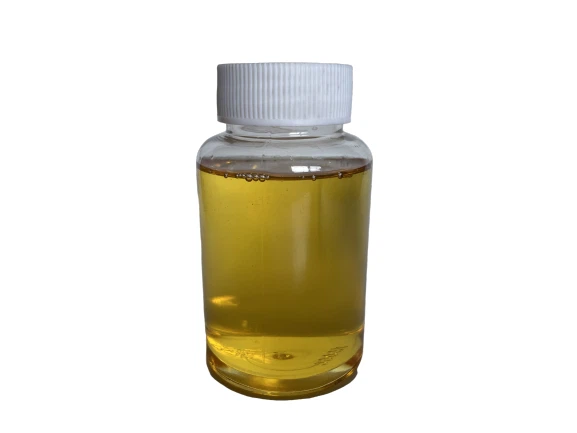

- Emulsified Oil For Hydraulic Support
- Emulsified Oil for Hydraulic Support
- Emulsified oil for environmentally friendly mining support
Conclusion
Applying Mine Support Emulsion Oil correctly is essential for the efficient and reliable operation of hydraulic support systems in mines. By following the steps of preparation, dilution, application, and maintenance, you can ensure that the emulsion oil performs optimally and provides long - term protection for your equipment. If you have any questions or are interested in purchasing our Mine Support Emulsion Oil products, please feel free to contact us for further discussion and procurement negotiation.
References
- Mining Equipment Manufacturer's Manuals
- Industry Standards for Mine Support Emulsion Oil Application
- Research Papers on Hydraulic Support System Lubrication


