

As a trusted supplier of Metal Cutting Oil TH6050, I am often asked about the recommended dilution ratio of this high - performance product. In this blog, I'll delve into the details of the dilution ratio, its significance, and how to determine the best ratio for different applications.
Understanding Metal Cutting Oil TH6050
Metal Cutting Oil TH6050 is a synthetic cutting oil designed to meet the demanding requirements of modern metalworking processes. It offers excellent lubrication, cooling, and corrosion protection properties, which are essential for achieving high - quality surface finishes and prolonging tool life. The oil is formulated with advanced additives that enhance its performance under various cutting conditions, including turning, milling, drilling, and grinding operations.
The Importance of Dilution Ratio
The dilution ratio of cutting oil is a critical factor that directly affects its performance. A proper dilution ratio ensures that the cutting oil can provide optimal lubrication and cooling, while also preventing issues such as foaming, bacteria growth, and corrosion.
- Lubrication: The right amount of cutting oil in the mixture reduces friction between the tool and the workpiece. This leads to less wear and tear on the cutting tools, allowing for smoother cuts and better surface finishes. If the oil is too diluted, there won't be enough lubricant to protect the tool, which can result in increased tool wear, higher cutting forces, and poor surface quality. On the other hand, if the oil is not diluted enough, it can be overly viscous, making it difficult to circulate properly and potentially causing clogging in the machine's coolant system.
- Cooling: During metal cutting, a significant amount of heat is generated. The cutting oil helps to dissipate this heat, preventing the workpiece from overheating and causing thermal damage. An appropriate dilution ratio ensures that the cutting oil can effectively absorb and carry away the heat. If the oil is too concentrated, it may not be able to transfer heat as efficiently, while an overly dilute solution may not have enough cooling capacity.
- Cost - effectiveness: Dilution ratio also impacts the cost of using the cutting oil. Using the oil in the right concentration means you can maximize its effectiveness without overusing it. This helps to minimize the overall cost of the cutting fluid while maintaining high - quality machining results.
Recommended Dilution Ratios for Different Applications
The recommended dilution ratio of Metal Cutting Oil TH6050 can vary depending on the type of metal being cut, the cutting operation, and the specific requirements of the machining process. Here are some general guidelines:
Mild Steel and Aluminum
- General Machining: For general turning, milling, and drilling operations on mild steel and aluminum, a dilution ratio of 1:15 to 1:20 is often recommended. This means that for every 1 part of Metal Cutting Oil TH6050, you should mix it with 15 to 20 parts of water. This ratio provides a good balance between lubrication and cooling, and is suitable for most common machining tasks.
- Heavy - Duty Machining: When performing heavy - duty operations such as deep - hole drilling or high - speed machining on these metals, a slightly higher concentration may be required. A dilution ratio of 1:10 to 1:15 can be used to ensure better lubrication and heat dissipation under high - stress conditions.
Stainless Steel and Hard Alloys
- General Machining: Stainless steel and hard alloys are more difficult to machine compared to mild steel and aluminum. For general machining operations, a dilution ratio of 1:10 to 1:15 is recommended. The higher concentration of the cutting oil helps to provide the necessary lubrication to reduce tool wear and improve surface finishes when cutting these tough materials.
- Precision Machining: In precision machining applications where tight tolerances and high - quality surface finishes are required, a ratio of 1:5 to 1:10 may be necessary. This ensures maximum protection for the cutting tools and the workpiece, allowing for more accurate machining.
Grinding Operations
- When it comes to grinding operations, a dilution ratio of 1:20 to 1:30 is typically suitable. Grinding generates a large amount of heat, and a more diluted solution can effectively cool the grinding wheel and the workpiece. However, the exact ratio may need to be adjusted based on the type of grinding (e.g., surface grinding, cylindrical grinding) and the material being ground.
Factors to Consider When Determining the Dilution Ratio
While the above guidelines provide a starting point, there are several other factors that you need to consider when determining the optimal dilution ratio for your specific application:
- Machine Tool and Equipment: Different machine tools have different requirements for cutting fluid. Some machines may have a more efficient coolant delivery system, which allows for a more diluted solution. On the other hand, older machines or those with less efficient coolant circulation may require a more concentrated cutting oil to ensure proper lubrication and cooling.
- Cutting Speed and Feed Rate: Higher cutting speeds and feed rates generate more heat and require better cooling and lubrication. If you are using high - speed machining techniques, you may need to increase the concentration of the cutting oil to maintain the performance of the cutting tools and the quality of the workpiece.
- Environmental Conditions: The temperature and humidity of the machining environment can also affect the performance of the cutting oil. In hot and humid conditions, the cutting oil may be more prone to bacteria growth, which can reduce its effectiveness. In such cases, a slightly higher concentration of the oil or the addition of biocides may be necessary.
How to Dilute Metal Cutting Oil TH6050
Diluting Metal Cutting Oil TH6050 is a straightforward process, but it is important to follow the correct procedure to ensure a homogeneous mixture:

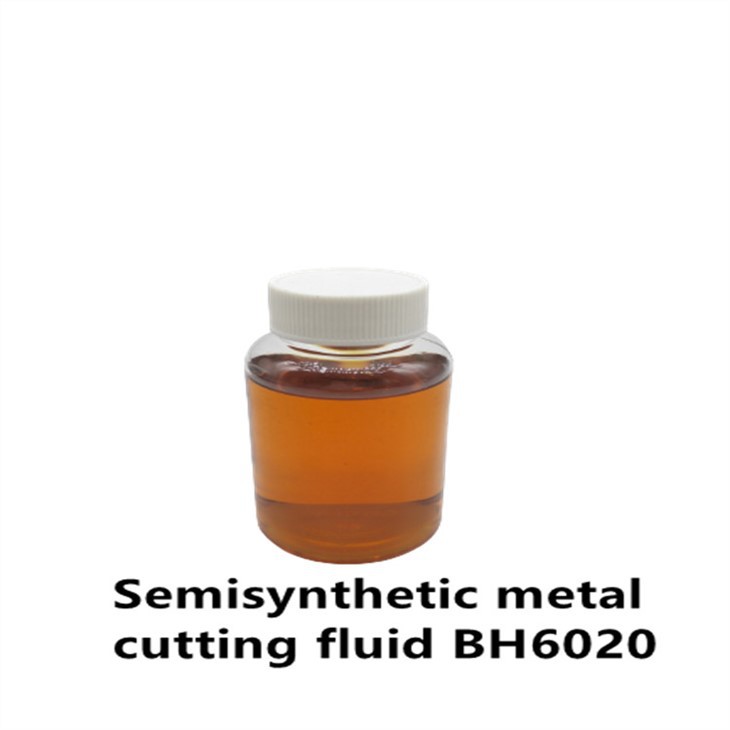
- Prepare the Water: Use clean, soft water to dilute the cutting oil. Hard water can contain minerals that may react with the additives in the oil, reducing its performance. If possible, use deionized or distilled water.
- Add the Oil to the Water: Always add the cutting oil to the water, not the other way around. This helps to ensure that the oil is evenly dispersed in the water. Slowly pour the oil into the water while stirring continuously.
- Stir Thoroughly: Use a mechanical stirrer or an air - operated agitator to mix the oil and water thoroughly. Stir for at least 10 - 15 minutes to ensure a uniform solution.
- Check the Concentration: After dilution, you can use a refractometer to check the concentration of the cutting oil in the solution. This will help you to ensure that the dilution ratio is within the recommended range.
Conclusion
Determining the recommended dilution ratio of Metal Cutting Oil TH6050 is crucial for achieving optimal performance in metalworking operations. By considering the type of metal, the cutting operation, and other factors, you can select the right dilution ratio to provide the best lubrication, cooling, and corrosion protection.
If you are interested in purchasing Metal Cutting Oil TH6050 or have any questions about its dilution ratio or application, please feel free to contact us. We are here to provide you with the best solutions for your metalworking needs.
References
- "Metalworking Fluids Handbook" by John A. Schey
- Technical data sheets provided by the manufacturer of Metal Cutting Oil TH6050


