

Ashless hydraulic oil HM32# is a crucial lubricant in the industrial sector, especially in hydraulic systems. As a supplier of Ashless Hydraulic Oil HM32#, I often encounter questions from customers regarding its various properties, and one of the most frequently asked topics is the viscosity - temperature relationship. In this blog post, I aim to delve into this relationship, explaining its scientific basis, practical implications, and how it affects the performance of Ashless Hydraulic Oil HM32#.
Understanding Viscosity and Temperature in the Context of Hydraulic Oil
Viscosity is a fundamental property of hydraulic oil. It refers to the oil's resistance to flow. A high - viscosity oil is thick and flows slowly, while a low - viscosity oil is thin and flows more easily. In hydraulic systems, the right viscosity is essential for proper operation. If the viscosity is too high, the oil may not flow through the system efficiently, leading to increased energy consumption, slower actuator response, and potential overheating. On the other hand, if the viscosity is too low, the oil may not provide adequate lubrication, resulting in increased wear and tear on system components.
Temperature has a significant impact on viscosity. As the temperature of a hydraulic oil increases, the viscosity generally decreases. This is because the increased thermal energy causes the molecules in the oil to move more freely, reducing the internal friction that resists flow. Conversely, as the temperature decreases, the viscosity increases as the molecules move more sluggishly and are more likely to interact with each other.
The Viscosity - Temperature Relationship of Ashless Hydraulic Oil HM32#
Ashless Hydraulic Oil HM32# is formulated to have a specific viscosity - temperature relationship. At a standard reference temperature of 40°C, the viscosity of HM32# is approximately 32 centistokes (cSt). This value is carefully chosen to meet the requirements of a wide range of hydraulic systems operating under normal conditions.
However, as the temperature changes, the viscosity of Ashless Hydraulic Oil HM32# will also change. The rate at which the viscosity changes with temperature is described by the viscosity index (VI). The viscosity index is a measure of how much the viscosity of an oil changes with temperature. A higher VI indicates that the oil's viscosity changes less with temperature, meaning it maintains a more consistent viscosity over a wider temperature range.
Ashless Hydraulic Oil HM32# typically has a relatively high viscosity index. This is achieved through the use of advanced additives and base oil selection. The high VI ensures that the oil can perform well in both high - and low - temperature environments. For example, in a cold - start situation where the ambient temperature may be well below freezing, the oil's high VI allows it to have a lower viscosity than an oil with a lower VI, enabling easier start - up of the hydraulic system. In high - temperature operating conditions, such as in a hot industrial environment or during extended periods of heavy use, the oil's high VI helps it to maintain a sufficient viscosity to provide proper lubrication and prevent excessive wear.
Practical Implications of the Viscosity - Temperature Relationship
The viscosity - temperature relationship of Ashless Hydraulic Oil HM32# has several practical implications for hydraulic system operation.
Cold - Weather Performance
In cold climates, hydraulic systems may experience difficulties starting up if the oil's viscosity is too high. Ashless Hydraulic Oil HM32# with its favorable viscosity - temperature relationship can flow more easily in cold conditions. This reduces the load on the hydraulic pump during start - up, preventing damage to the pump and other system components. It also allows the hydraulic actuators to respond more quickly, improving the overall efficiency of the system.
High - Temperature Performance
In high - temperature environments, the viscosity of the oil tends to decrease. If the oil's viscosity becomes too low, it may not be able to form a proper lubricating film between moving parts. This can lead to increased friction, wear, and even component failure. Ashless Hydraulic Oil HM32# with a high viscosity index can maintain a stable viscosity at high temperatures, ensuring reliable lubrication and long - term performance of the hydraulic system.
System Efficiency
The right viscosity - temperature relationship also contributes to the overall efficiency of the hydraulic system. By maintaining a consistent viscosity over a wide temperature range, the oil reduces energy losses due to excessive flow resistance or inadequate lubrication. This means that the hydraulic system can operate more smoothly and consume less energy, resulting in cost savings for the end - user.
Comparing with Other Ashless Hydraulic Oils
It's worth comparing Ashless Hydraulic Oil HM32# with other similar products in our range, such as Ashless Hydraulic Oil HM46# and Ashless Hydraulic Oil HM68#. HM46# and HM68# have higher viscosities at 40°C compared to HM32#. This means that they are thicker and more suitable for hydraulic systems that operate under heavier loads or at higher pressures.
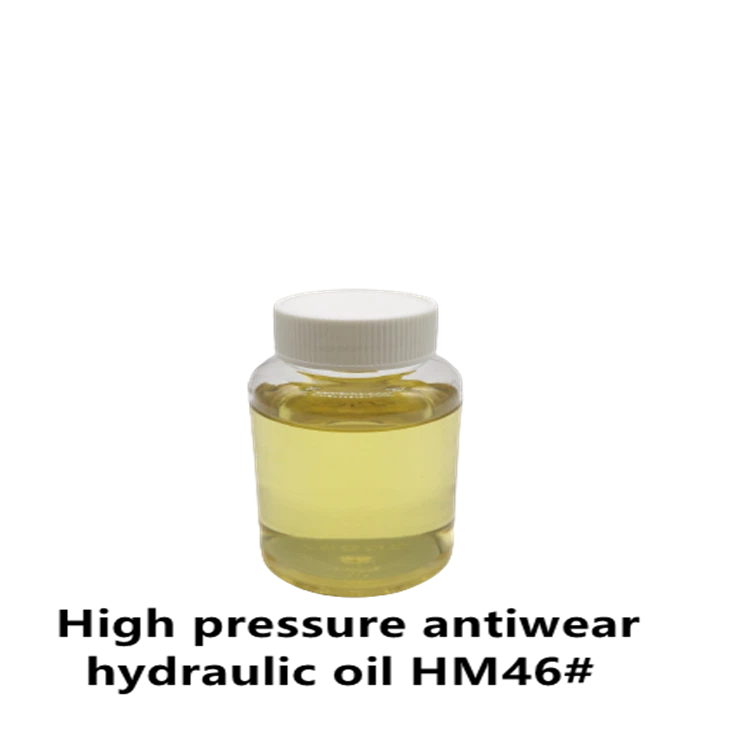

However, the basic principle of the viscosity - temperature relationship remains the same for all these oils. They all have high viscosity indices to ensure stable performance across different temperature ranges. When choosing between these oils, customers need to consider the specific requirements of their hydraulic systems, including operating temperature, load, and pressure.
The Role of Additives in Maintaining the Viscosity - Temperature Relationship
The performance of Ashless Hydraulic Oil HM32# in terms of its viscosity - temperature relationship is largely due to the additives used in its formulation. One of the key additives is the viscosity index improver. This additive helps to reduce the rate of viscosity change with temperature. It works by increasing the viscosity of the oil more at higher temperatures than at lower temperatures, effectively narrowing the viscosity gap between different temperature conditions.
Anti - wear additives are also important. They help to protect the hydraulic system components from wear and tear, which can be exacerbated by changes in viscosity due to temperature variations. These additives form a protective film on the surfaces of the moving parts, reducing friction and preventing direct metal - to - metal contact.
Contact for Procurement
If you are interested in Ashless Hydraulic Oil HM32# or any of our other Ash - free Anti - wear Hydraulic Oil products, please feel free to contact us for more information and to discuss your procurement needs. We are committed to providing high - quality lubricants and excellent customer service to meet your specific requirements.
References
- "Hydraulic Fluids: Properties and Performance" - A comprehensive book on hydraulic fluid properties, including viscosity - temperature relationships.
- Industry standards and research papers on lubricants and hydraulic systems published by professional organizations in the field of tribology.


