
Industry Knowledge
Extreme Pressure Gear Oil: How Does It Protect Heavy-Duty Gears Under Extreme Loads?
Industrial gearboxes often operate under high loads, continuous pressure, and demanding working conditions. Under these circumstances, the contact surfaces of gear teeth may experience significant friction, heat generation, and the risk of surface damage.
Extreme pressure gear oil is formulated with specialized performance additives to help protect metal surfaces, reduce wear, and maintain reliable lubrication under demanding operating conditions.
Understanding how extreme pressure additives work, and how to select the right industrial gear oil, is essential for improving equipment reliability and extending service life.
THINK ABOUT IT
What Happens When Gear Teeth Operate Under Extreme Pressure?
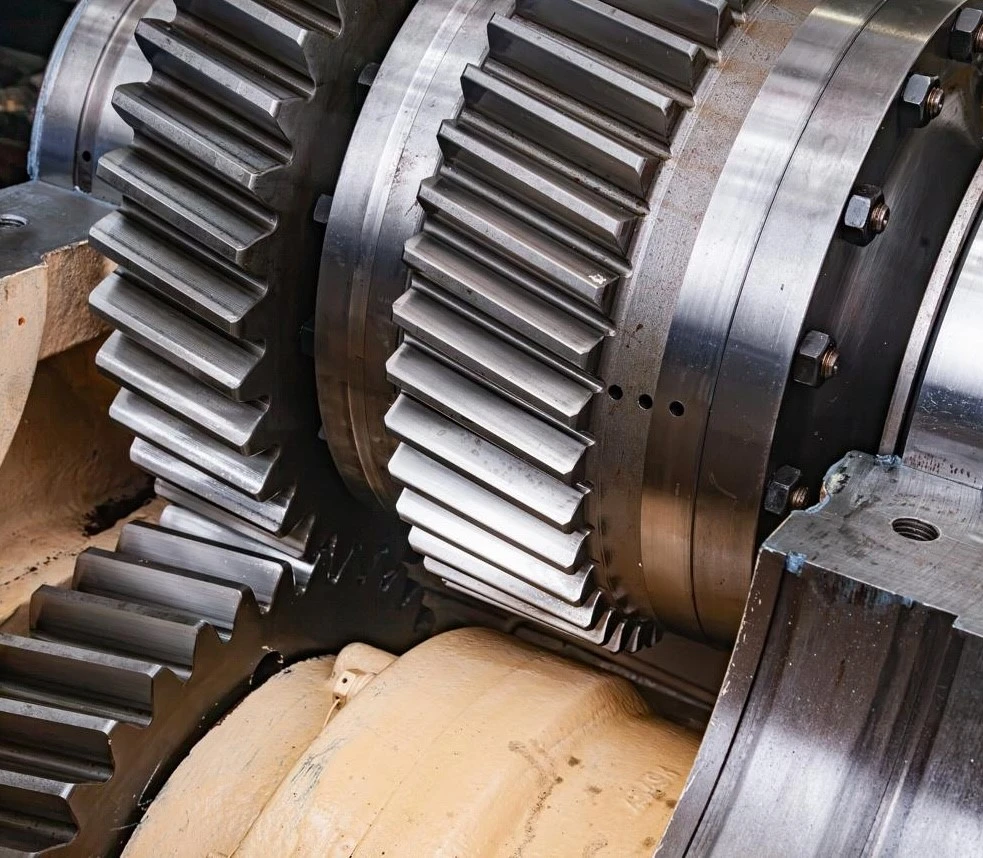
When two gear teeth transmit power under heavy loads, the contact area can experience extremely high localized pressure. If the lubricating film becomes insufficient, direct metal-to-metal contact may occur, accelerating wear, scuffing, and surface damage. The right gear oil helps maintain protective lubrication under these conditions.
Why Is Extreme Pressure Protection Important for Industrial Gearboxes?
Industrial gearboxes are essential components in mining machinery, steel production equipment, cement plants, paper manufacturing systems, and port machinery. Many of these applications involve continuous operation, heavy loads, fluctuating torque, and demanding environmental conditions.
During gear meshing, the contacting surfaces are subjected to a combination of rolling and sliding motion. Under high contact pressure, the lubricating film may become thinner, increasing the possibility of surface contact and wear.
Without suitable lubrication, these conditions can contribute to several problems:
- Gear tooth surface wear and scuffing.
- Increased friction and operating temperature.
- Surface fatigue and premature component damage.
- Oxidation and sludge formation during prolonged operation.
- Unplanned maintenance and equipment downtime.
1. How Do Extreme Pressure Additives Protect Gear Surfaces?
Extreme pressure (EP) additives are designed to improve the load-carrying performance of lubricants. Under high-temperature and high-pressure contact conditions, certain EP additives can react with metal surfaces to form protective chemical films.
These films help reduce direct metal-to-metal contact and minimize the risk of severe surface damage. Their effectiveness depends on the additive chemistry, operating temperature, load conditions, and lubricant formulation.
Common EP additive technologies include sulfur-containing and phosphorus-containing compounds. Their selection must consider compatibility with the base oil, metallurgy, and operating requirements of the gearbox.
2. How Does Gear Oil Reduce Wear and Scuffing?
Gear oil forms a lubricating film between contacting gear teeth. Under suitable operating conditions, this film helps separate metal surfaces and reduce friction.
When loads increase and the oil film becomes thinner, EP additives provide an additional protective mechanism. The combination of base oil properties and additive technology helps protect gear surfaces under demanding operating conditions.
3. Why Are Oxidation Resistance and Thermal Stability Important?
Industrial gearboxes may operate continuously for extended periods. Friction, elevated temperatures, and exposure to oxygen can gradually accelerate lubricant oxidation.
Oxidation can lead to viscosity changes, deposits, and sludge formation. A gear oil with good oxidation resistance and thermal stability helps maintain lubricant performance and supports longer equipment service intervals when operating conditions and maintenance practices are appropriate.
4. Why Should Water Separation and Anti-Foaming Performance Be Considered?
Water contamination may occur through condensation, equipment leakage, or environmental exposure. Excessive water in gear oil can negatively affect lubrication, corrosion protection, and equipment reliability.
Good demulsibility helps separate water from oil, making it easier to remove accumulated water from the gearbox.
Foam can also interfere with effective lubrication by introducing air into the oil. Anti-foam additives help control foam formation and support stable lubricant circulation.
Four Key Performance Factors of Industrial Gear Oil
Extreme Pressure and Anti-Wear Protection
EP additives help form protective films under demanding contact conditions, reducing direct metal-to-metal contact and minimizing gear tooth wear.
Oxidation Resistance and Thermal Stability
Oxidation-resistant formulations help control oil degradation, reduce deposit formation, and maintain lubricant performance during extended operation.
Water Separation and Corrosion Protection
Suitable demulsibility and corrosion protection help manage water contamination and protect internal gearbox components.
Foam Control and Lubrication Stability
Anti-foam additives help minimize excessive foam and support consistent lubricant circulation throughout the gear system.
QUICK SELF-CHECK
Is Your Industrial Gear Oil Suitable for Your Operating Conditions?
Before selecting or replacing industrial gear oil, consider the following questions:
- Does the lubricant provide sufficient load-carrying and extreme pressure protection for the gearbox?
- Is its viscosity grade appropriate for the equipment manufacturer's recommendations and operating temperature?
- Does the oil offer suitable oxidation resistance and thermal stability?
- Can the lubricant separate water effectively and control foam formation?
- Does the lubricant meet the required industrial gear oil standard?
Tip: If you are unsure about any of these factors, review the gearbox manufacturer's specifications and consult a qualified lubricant supplier before changing products.
How Well Do You Understand Extreme Pressure Gear Oil?
What is the primary function of extreme pressure additives in industrial gear oil?
A. Increase the Oil's Color Intensity
Incorrect. Oil color does not determine its extreme pressure performance.
B. Help Protect Metal Surfaces Under High Contact Pressure
Correct. EP additives can form protective films under demanding contact conditions, helping reduce direct metal-to-metal contact and surface damage.
C. Eliminate the Need for Gearbox Maintenance
Incorrect. Even high-performance gear oil cannot eliminate the need for proper inspection, oil analysis, and equipment maintenance.
How Does Sanjing L-CKD320 Industrial Gear Oil Support Gearbox Protection?
At Sanjing Lubricants, we focus on developing industrial lubrication solutions for demanding operating environments. Our Medium Duty Industrial Gear Oil L-CKD320 is formulated with high-quality refined base oil and performance additives, including extreme pressure agents, anti-oxidation compounds, and anti-foam agents.
The product is designed to meet the requirements of the GB 5903-2011 L-CKD standard for closed industrial gear oils. Its formulation focuses on load-carrying performance, bearing protection, oxidation resistance, thermal stability, water separation, and foam control.
Key Product Features of Sanjing L-CKD320
SANJING INDUSTRIAL LUBRICANTS
Medium Duty Industrial Gear Oil L-CKD320
Industrial gear lubrication solution for enclosed gearboxes and bearings.
Product Model: L-CKD320
Viscosity Grade: 320 (nominal viscosity grade designation)
Applicable Standard: GB 5903-2011 L-CKD
Base Oil: High-quality refined base oil
Additive Technology: Extreme pressure, anti-oxidation, and anti-foam additives
Performance Advantages
- Extreme Pressure Performance: Designed to meet the load-carrying requirements of industrial enclosed gearboxes.
- Bearing Protection: Helps protect gearbox bearings and support reliable equipment operation.
- Water Separation: Good water separation properties help manage water contamination in gearboxes.
- Rapid Defoaming: Anti-foam technology helps control foam and support stable lubrication.
- Oxidation Resistance: Helps minimize sludge formation and maintain lubricant performance.
- Thermal Stability: Supports reliable lubrication under demanding operating temperatures.
Note: The above information describes the product features published by Sanjing Lubricants. For detailed numerical test results, including kinematic viscosity, flash point, pour point, FZG performance, and corrosion test results, please refer to the latest Technical Data Sheet (TDS).
Where Can Sanjing L-CKD320 Be Applied?
Sanjing L-CKD320 is designed for enclosed industrial gearboxes and bearings in various industrial sectors, including:
- Mining Industry: Industrial transmission systems and mining equipment.
- Steel Industry: Enclosed gearboxes used in steel production facilities.
- Cement Industry: Industrial gear transmission equipment.
- Paper Manufacturing: Gearboxes and transmission systems in paper mills.
- Port Operations: Industrial transmission equipment used in port machinery.
Choosing the correct viscosity grade and performance level should always be based on the equipment manufacturer's recommendations, actual operating conditions, and lubricant compatibility requirements.
Frequently Asked Questions
Common questions about extreme pressure industrial gear oils
What is extreme pressure gear oil?
+
-
Extreme pressure gear oil is an industrial lubricant formulated with EP additives to improve load-carrying performance and help protect gear surfaces under high contact pressure. It is commonly used in enclosed industrial gearboxes operating under demanding conditions.
How do EP additives protect industrial gears?
+
-
Under high-temperature and high-pressure contact conditions, certain EP additives react with metal surfaces to form protective films. These films help reduce direct metal-to-metal contact and minimize severe wear and scuffing.
What is the difference between anti-wear and extreme pressure additives?
+
-
Anti-wear additives primarily help reduce wear under moderate boundary lubrication conditions. EP additives are designed to provide additional protection under more severe contact pressure and temperature conditions. The appropriate additive system depends on the equipment and lubricant application.
What does L-CKD320 mean?
+
-
L-CKD refers to a performance category for closed industrial gear oils under the GB 5903 standard, while 320 identifies the nominal viscosity grade. Always check the product's technical data and equipment manufacturer's requirements before selecting a lubricant.
Can industrial gear oil be used in all types of gearboxes?
+
-
No. Different gearboxes may require different viscosity grades, performance levels, and lubricant formulations. Selection should consider gear design, operating temperature, load, materials, and the equipment manufacturer's recommendations.
How often should industrial gear oil be replaced?
+
-
There is no universal replacement interval. Oil condition, operating temperature, contamination, equipment design, and manufacturer recommendations should all be considered. Regular oil analysis can help determine an appropriate replacement schedule.
SANJING LUBRICANTS
Looking for Reliable Industrial Gear Oil?
Explore Sanjing's industrial gear oil solutions for enclosed gearboxes and demanding industrial applications. Our L-CKD320 industrial gear oil is formulated with extreme pressure, anti-oxidation, and anti-foam additives to support reliable lubrication performance.
Contact our team to discuss your gearbox specifications, viscosity requirements, operating conditions, and product selection.