
INDUSTRY KNOWLEDGE / AVIATION FUEL TECHNOLOGY
What Is Tetraethyllead (TEL)? Understanding Its Role in Aviation Fuel
Tetraethyllead (TEL), CAS No. 78-00-2, is an organolead compound historically used as an antiknock additive in aviation gasoline. Its ability to improve fuel knock resistance made it an important part of the development of high-performance piston-engine aviation fuels. This article explores its chemical identity, historical applications, technical background, and environmental and regulatory considerations.

What Is Tetraethyllead (TEL)?
Tetraethyllead, commonly abbreviated as TEL, is an organolead chemical compound with the molecular formula C8H20Pb and CAS Registry Number 78-00-2. It is known as a colorless oily liquid with a characteristic odor. Historically, TEL was widely recognized for its antiknock properties in gasoline applications.
In aviation fuel technology, TEL played an important historical role in improving the knock resistance of gasoline used by certain piston-engine aircraft. Its application was associated with the development of aviation gasoline capable of meeting demanding engine performance requirements.
However, TEL is highly toxic and presents significant occupational and environmental hazards. Its use is subject to strict legal restrictions and safety requirements. Understanding its historical importance also requires understanding why the fuel industry continues to transition toward unleaded alternatives.
MYTH VS. FACT
Does Higher Octane Mean More Energy in Fuel?
THE MYTH
Higher Octane Means Higher Energy Content
A common misconception is that gasoline with a higher octane rating necessarily contains more chemical energy or provides greater fuel economy.
THE FACT
Octane Rating Measures Knock Resistance
Octane rating describes a gasoline's resistance to engine knock under specified test conditions. It is not a direct measurement of energy density or fuel efficiency. Engine performance depends on multiple factors, including engine design and operating conditions.
Remember: Octane rating and fuel energy content are two different fuel characteristics.
Understanding the Role of TEL in Aviation Gasoline
The historical importance of tetraethyllead is closely connected to the development of piston-engine aviation and the technical requirements of aviation gasoline. Three important concepts help explain its role.
01. Engine Knock Resistance
Engine knock is an abnormal combustion phenomenon that can occur when the unburned air-fuel mixture in a spark-ignition engine auto-ignites. Severe knocking can place additional thermal and mechanical stress on engine components. TEL historically served as an antiknock compound in gasoline, helping improve resistance to this phenomenon.
02. Octane Rating and Aviation Performance
Octane rating is an important characteristic of spark-ignition engine gasoline. Aviation piston engines may have specific fuel performance requirements related to their design and operating conditions. Historically, TEL helped certain aviation gasoline grades achieve the required knock resistance.
03. Aviation Fuel Technology and Engine Compatibility
Aviation gasoline must meet applicable fuel specifications and aircraft engine requirements. Fuel compatibility involves more than octane rating alone. Aircraft manufacturers and relevant aviation authorities establish requirements covering fuel characteristics, approved grades, and operational suitability.
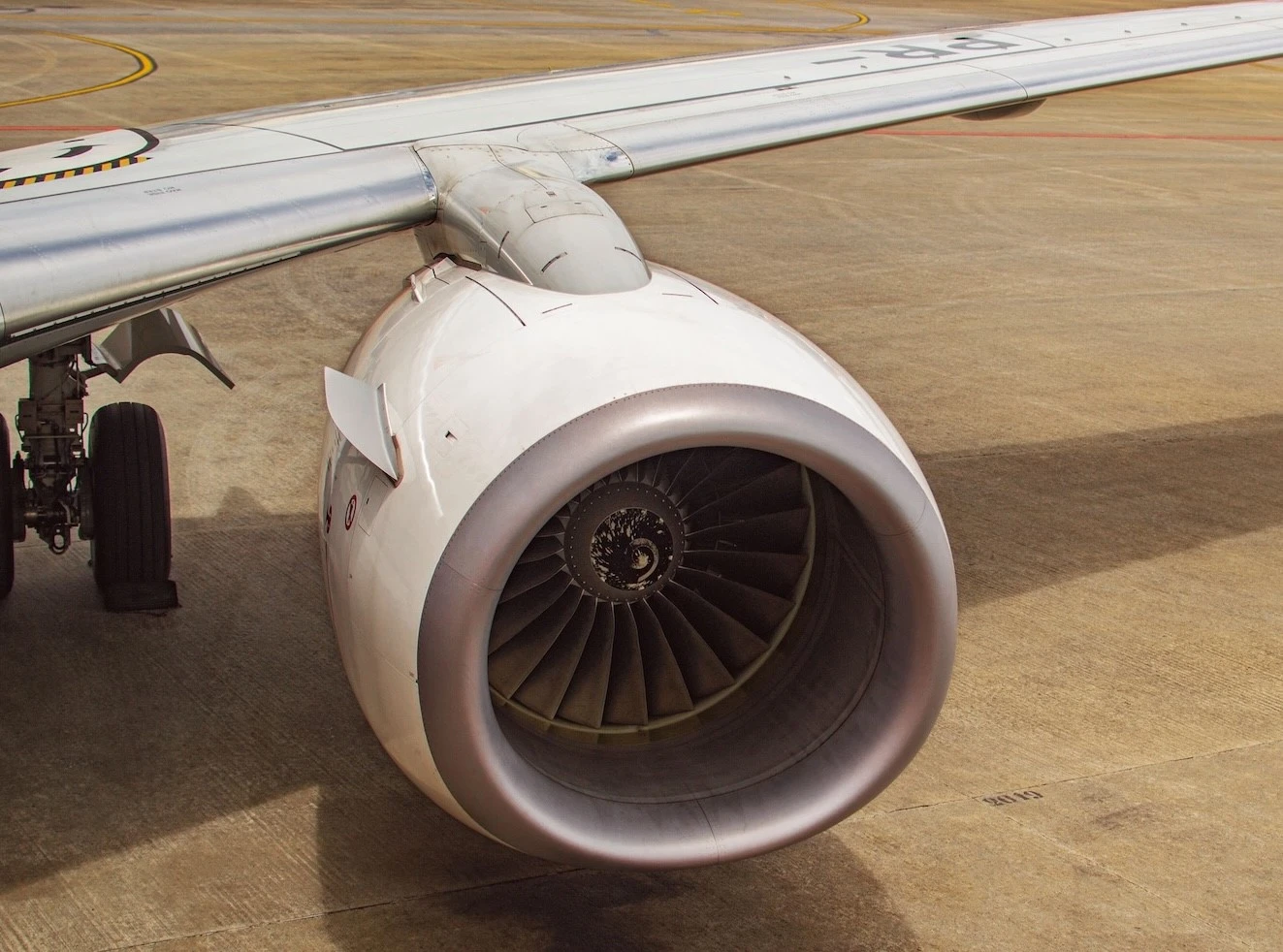
It is important to distinguish aviation gasoline (AvGas), which is used in certain piston-engine aircraft, from aviation turbine fuel, which is used in jet and turbine-powered aircraft. TEL is not a standard additive in modern jet fuel.
QUICK QUESTION
Is TEL Used in All Types of Aviation Fuel?
Is tetraethyllead a standard component in both piston-engine aviation gasoline and jet fuel?
Reveal the answerNo. TEL has historically been associated with certain grades of leaded aviation gasoline used in piston-engine aircraft. Jet fuel is a different type of aviation fuel and does not normally use TEL as an antiknock additive. The appropriate fuel depends on the aircraft engine type and its approved fuel specifications.
INDUSTRY DEVELOPMENT
From Leaded Aviation Gasoline to Unleaded Alternatives
The use of lead in automotive gasoline has been phased out in countries around the world because of its serious environmental and public health consequences. Aviation gasoline has followed a different transition path, partly because of the specific certification and compatibility requirements of existing piston-engine aircraft.
Some piston-engine aircraft continue to use leaded aviation gasoline, including certain grades commonly identified as 100LL. Despite the term "Low Lead," 100LL is not unleaded gasoline.
Research, testing, and certification activities continue to support the transition toward unleaded aviation gasoline. This transition involves technical performance, aircraft compatibility, fuel availability, and regulatory considerations.
SAFETY & COMPLIANCE CHECKLIST
Key Considerations When Evaluating TEL
Tetraethyllead is a highly toxic organolead compound. Any assessment involving this substance must consider its chemical hazards, legal status, environmental impact, and applicable institutional safety controls.
Important Safety Notice: TEL is highly toxic and may cause severe health effects. This checklist is for general awareness only, not an operational safety procedure. Any legally permitted handling must be managed by qualified professionals under applicable regulations and institutional controls.
Frequently Asked Questions
Common questions about tetraethyllead, aviation gasoline, and fuel additive technology.
What is the CAS number of tetraethyllead?
+
-
The CAS Registry Number of tetraethyllead (TEL) is 78-00-2. Its molecular formula is C8H20Pb, and its molecular weight is approximately 323.44 g/mol.
Why was TEL historically used in aviation gasoline?
+
-
TEL was historically used because of its antiknock properties. It helped improve the knock resistance of certain gasoline grades used in spark-ignition engines, including some piston-engine aircraft.
Is TEL still used in aviation fuel today?
+
-
Certain leaded aviation gasoline grades remain in use for some piston-engine aircraft in jurisdictions where their use is permitted. However, the aviation industry is working toward the adoption of unleaded alternatives. Current fuel availability and regulatory requirements vary by country and aircraft application.
Is 100LL aviation gasoline unleaded?
+
-
No. 100LL is a leaded aviation gasoline grade. The term "Low Lead" refers to its lead content relative to earlier high-lead aviation gasoline formulations. It should not be confused with unleaded aviation gasoline.
Is tetraethyllead used in jet fuel?
+
-
TEL is not a standard component of modern jet fuel. Jet fuel is designed for turbine engines and has different specifications and performance requirements from piston-engine aviation gasoline.
Why is tetraethyllead considered hazardous?
+
-
TEL is a highly toxic organolead compound. Exposure can cause serious neurological and systemic health effects. It also raises significant environmental concerns. Its management requires strict compliance with applicable hazardous chemical laws and professional safety controls.
SANJING LUBRICANTS
Learn More About Our Ethyl Liquid Product
Sanjing provides product information for its Ethyl Liquid series, including chemical identity, technical documentation, and relevant safety information. For product specifications, regulatory status, and authorized industrial or research inquiries, please contact our professional team.
View Product InformationFinal Thoughts
Tetraethyllead (TEL) occupies an important place in the history of fuel technology. Its antiknock properties contributed to the development of aviation gasoline for certain piston-engine aircraft, particularly during periods when engine performance requirements placed significant demands on fuel quality.
However, the serious toxicity and environmental consequences associated with lead compounds have fundamentally changed the direction of the fuel industry. The continued development of unleaded aviation gasoline reflects the industry's efforts to address both technical requirements and environmental responsibilities.
Understanding TEL requires more than knowledge of its chemical properties. It also requires awareness of aviation fuel specifications, historical applications, public health considerations, and the regulatory framework governing hazardous chemical substances.
Sanjing Lubricants | Aviation Fuel & Chemical Technology