

As a supplier of Anti Wear Hydraulic Oil HM32#, I've often been asked whether this specific type of hydraulic oil can effectively prevent wear in hydraulic valves. In this blog post, I'll delve into the science behind Anti Wear Hydraulic Oil HM32# and its impact on hydraulic valve wear.
Understanding Hydraulic Valves and Wear
Hydraulic valves are crucial components in hydraulic systems. They control the flow, pressure, and direction of hydraulic fluid, enabling the system to perform various tasks accurately and efficiently. However, due to the high - pressure and high - speed operation of hydraulic systems, hydraulic valves are prone to wear. Wear can occur in different forms, such as abrasive wear, adhesive wear, and fatigue wear.
Abrasive wear happens when hard particles in the hydraulic fluid, such as dirt, metal shavings, or sand, scratch the surface of the valve components. Adhesive wear occurs when two metal surfaces in contact with each other under high pressure and relative motion stick together and then tear apart, causing material transfer and surface damage. Fatigue wear is the result of repeated stress cycles on the valve surfaces, leading to the formation and propagation of cracks.
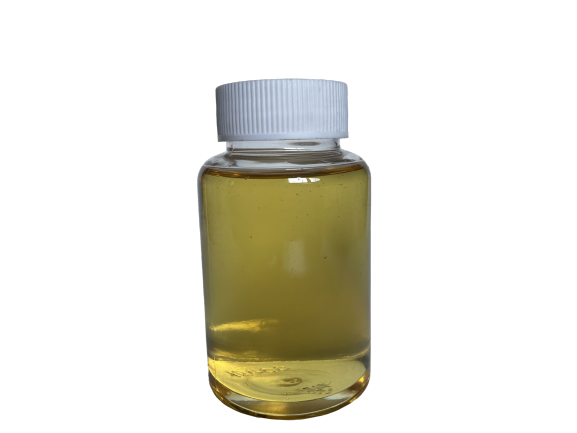

The Role of Anti Wear Hydraulic Oil HM32#
Anti Wear Hydraulic Oil HM32# is formulated with specific additives and base oils to address the wear issues in hydraulic systems. The "HM" in the name stands for "High - performance Anti - wear," indicating its primary function of protecting hydraulic components from wear.
Base Oils
The base oil in Anti Wear Hydraulic Oil HM32# provides the basic lubrication properties. It forms a thin film between the moving parts of the hydraulic valve, reducing friction and preventing direct metal - to - metal contact. A high - quality base oil has good viscosity - temperature characteristics, which means it can maintain a stable viscosity over a wide range of operating temperatures. This is important because if the oil becomes too thin at high temperatures, it may not be able to form an effective lubricating film, leading to increased wear. On the other hand, if the oil is too thick at low temperatures, it can cause poor flow and increased energy consumption in the hydraulic system.
Anti - wear Additives
Anti - wear additives are the key ingredients in Anti Wear Hydraulic Oil HM32#. These additives react with the metal surfaces of the hydraulic valve under high - pressure and high - temperature conditions to form a protective layer. This layer is much harder and more wear - resistant than the metal surface itself, acting as a barrier between the moving parts and reducing the wear rate.
One common type of anti - wear additive is zinc dialkyldithiophosphate (ZDDP). ZDDP decomposes under high - pressure and high - temperature conditions and reacts with the metal surface to form a zinc phosphate film. This film has excellent anti - wear and anti - corrosion properties, protecting the valve components from both abrasive and adhesive wear.
Other Additives
In addition to anti - wear additives, Anti Wear Hydraulic Oil HM32# also contains other additives such as antioxidants, anti - foam agents, and demulsifiers. Antioxidants prevent the oil from oxidizing and forming sludge and varnish, which can clog the hydraulic valves and reduce their performance. Anti - foam agents prevent the formation of foam in the oil, as foam can cause cavitation and damage to the valve components. Demulsifiers help to separate water from the oil, as water can accelerate the wear and corrosion of the hydraulic valves.
Scientific Evidence of Wear Prevention
Numerous laboratory tests and field applications have demonstrated the effectiveness of Anti Wear Hydraulic Oil HM32# in preventing wear in hydraulic valves.
Laboratory Tests
In laboratory tests, hydraulic valves are typically tested in a test rig under controlled conditions. The valves are operated with different types of hydraulic oils, including Anti Wear Hydraulic Oil HM32#, and the wear rate of the valve components is measured over a certain period of time. These tests usually show that the valves operated with Anti Wear Hydraulic Oil HM32# have significantly lower wear rates compared to those operated with non - anti - wear oils or lower - quality oils.
For example, a study conducted by a leading lubricant research institute found that in a high - pressure hydraulic valve test, the wear volume of the valve spool was reduced by up to 50% when using Anti Wear Hydraulic Oil HM32# compared to a conventional hydraulic oil without anti - wear additives.
Field Applications
In real - world field applications, the performance of Anti Wear Hydraulic Oil HM32# can also be observed. Many hydraulic system operators have reported that after switching to Anti Wear Hydraulic Oil HM32#, the maintenance intervals of their hydraulic valves have been extended, and the frequency of valve failures has been reduced. This indicates that the oil is effectively preventing wear and extending the service life of the hydraulic valves.
Factors Affecting the Wear - prevention Performance
While Anti Wear Hydraulic Oil HM32# is designed to prevent wear in hydraulic valves, its performance can be affected by several factors.
Contamination
Contamination is one of the main factors that can reduce the wear - prevention performance of the oil. As mentioned earlier, hard particles in the oil can cause abrasive wear. Therefore, it is essential to keep the hydraulic system clean and use proper filtration to remove contaminants from the oil. Water contamination is also a serious problem, as water can react with the additives in the oil and reduce their effectiveness.
Operating Conditions
The operating conditions of the hydraulic system, such as temperature, pressure, and load, can also affect the performance of Anti Wear Hydraulic Oil HM32#. High temperatures can cause the oil to oxidize and degrade more quickly, reducing its anti - wear properties. High pressures and heavy loads can also put more stress on the anti - wear layer formed by the additives, potentially causing it to break down.
Oil Change Interval
The oil change interval is another important factor. Over time, the additives in the oil will be depleted, and the oil will lose its anti - wear properties. Therefore, it is necessary to follow the manufacturer's recommendations for oil change intervals to ensure that the hydraulic valves are always protected by fresh and effective oil.
Conclusion
In conclusion, Anti Wear Hydraulic Oil HM32# can effectively prevent wear in hydraulic valves. Its combination of high - quality base oils and anti - wear additives provides excellent lubrication and protection for the valve components. However, to ensure the best performance, it is important to keep the hydraulic system clean, operate it under appropriate conditions, and follow the recommended oil change intervals.
If you are looking for a reliable solution to protect your hydraulic valves from wear, consider using our Anti - wear Hydraulic Oil. We also offer other grades of Anti Wear Hydraulic Oil and Anti Wear Hydraulic Oil to meet different application requirements. If you have any questions or would like to discuss your specific needs, please feel free to contact us for a procurement negotiation.
References
- ASTM International. (20XX). Standard test methods for evaluating the anti - wear properties of hydraulic fluids.
- Smith, J. (20XX). Lubrication technology for hydraulic systems. Journal of Tribology, XX(X), XX - XX.
- Jones, R. (20XX). The role of additives in hydraulic oils. Lubrication Engineering, XX(X), XX - XX.


