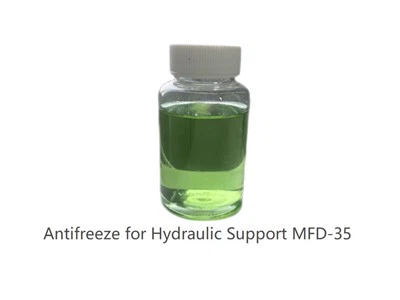
As a supplier of low temperature hydraulic oil, I've witnessed firsthand the critical role that the purity of this specialized lubricant plays in the performance and longevity of hydraulic systems. Low temperature hydraulic oil is engineered to operate efficiently in cold environments, where standard hydraulic fluids may thicken and cause system malfunctions. However, the presence of impurities can significantly undermine these carefully crafted properties, leading to a range of detrimental effects. In this blog post, I'll delve into the various impacts of impurities in low temperature hydraulic oil and explain why maintaining its purity is essential for optimal system performance.
1. Viscosity Changes
One of the primary functions of low temperature hydraulic oil is to maintain a consistent viscosity across a wide range of temperatures. Viscosity is a measure of a fluid's resistance to flow, and it directly affects the efficiency of hydraulic pumps, valves, and actuators. Impurities such as dirt, water, and oxidation by - products can alter the oil's viscosity, causing it to either thicken or thin out.
In cold conditions, the thickening of the oil due to impurities can be particularly problematic. When the oil becomes too viscous, it requires more energy to pump, leading to increased wear on the hydraulic pump. This not only reduces the overall efficiency of the system but also increases the risk of pump failure. For example, if dirt particles are present in the oil, they can act as friction - inducing agents, causing the oil to heat up and thicken as it circulates through the system.
On the other hand, water contamination can lead to a decrease in viscosity. Water is less viscous than hydraulic oil, and when it mixes with the oil, it dilutes the lubricant. This can result in insufficient lubrication between moving parts, leading to increased friction, wear, and potential damage to the hydraulic components.
2. Wear and Tear on Components
Impurities in low temperature hydraulic oil act as abrasives, causing accelerated wear on the internal components of the hydraulic system. Dirt particles, for instance, can scratch the surfaces of pumps, valves, and cylinders. These scratches can create rough areas where more wear can occur, leading to a vicious cycle of damage.
The anti - wear properties of low temperature hydraulic oil are designed to protect the components from normal wear and tear. However, impurities can neutralize these additives. For example, acidic oxidation by - products can react with the anti - wear additives in the oil, rendering them ineffective. This leaves the components vulnerable to direct metal - to - metal contact, which can lead to premature failure.
Our Anti - wear Hydraulic Oil HV68#, Anti - wear Hydraulic Oil HV46#, and Anti - wear Hydraulic Oil HV32# are formulated with high - quality anti - wear additives. But the presence of impurities can compromise these features, highlighting the importance of keeping the oil clean.


3. Corrosion and Oxidation
Water and oxygen are two common impurities that can cause corrosion and oxidation in low temperature hydraulic oil. Water can react with the metal components in the hydraulic system, leading to rust formation. Rust not only weakens the structural integrity of the components but also releases more particles into the oil, further exacerbating the contamination problem.
Oxygen, when present in the oil, can react with the hydrocarbon molecules in the oil to form oxidation by - products. These by - products are often acidic and can corrode the internal surfaces of the hydraulic system. Oxidation also causes the oil to thicken and form sludge, which can clog filters and restrict the flow of oil through the system.
To prevent corrosion and oxidation, low temperature hydraulic oil is typically formulated with antioxidants and corrosion inhibitors. However, impurities can reduce the effectiveness of these additives. For example, water can wash away the corrosion inhibitors, leaving the metal surfaces exposed to corrosion.
4. Filter Clogging
Filters are an essential part of any hydraulic system, as they are designed to remove impurities from the oil. However, excessive impurities in the low temperature hydraulic oil can quickly clog the filters. When the filters become clogged, the flow of oil through the system is restricted. This can lead to increased pressure in the system, which can cause damage to other components such as seals and hoses.
Moreover, a clogged filter may force the oil to bypass the filter altogether, allowing the impurities to continue circulating in the system. This defeats the purpose of having a filtration system and can lead to more severe problems over time.
5. Reduced System Performance and Efficiency
All of the above effects of impurities in low temperature hydraulic oil ultimately lead to reduced system performance and efficiency. When the oil's viscosity is inconsistent, the components experience increased wear, and corrosion occurs, the hydraulic system has to work harder to achieve the same level of performance.
This increased workload translates into higher energy consumption, which not only costs more in terms of operating expenses but also contributes to environmental pollution. In addition, the risk of system breakdowns and unplanned downtime increases, which can have a significant impact on productivity, especially in industrial settings where hydraulic systems are used for critical operations.
Conclusion
The effects of impurities in low temperature hydraulic oil are far - reaching and can have a significant impact on the performance, reliability, and longevity of hydraulic systems. As a supplier, I understand the importance of providing high - quality, pure low temperature hydraulic oil. However, it's also crucial for our customers to take proper measures to maintain the purity of the oil in their systems.
Regular oil analysis can help detect the presence of impurities early, allowing for timely corrective actions such as oil changes and filter replacements. Additionally, proper storage and handling of the oil can prevent contamination in the first place.
If you're in the market for high - quality low temperature hydraulic oil or have any questions about maintaining the purity of your hydraulic oil, I encourage you to reach out for a purchase negotiation. We're here to provide you with the best solutions for your hydraulic system needs.
References
- “Hydraulic Fluids: Properties and Performance.” ASTM International.
- “Maintenance Guide for Hydraulic Systems.” National Fluid Power Association.
- “The Impact of Contamination on Hydraulic System Performance.” Fluid Power Journal.