

As a supplier of Ashless Hydraulic Oil HM46#, I've witnessed firsthand the widespread use of this product across various industries. Its excellent performance in hydraulic systems has made it a popular choice. However, with the growing emphasis on environmental protection, it's crucial to understand the environmental impacts associated with its use.
1. Composition and Basic Performance of Ashless Hydraulic Oil HM46#
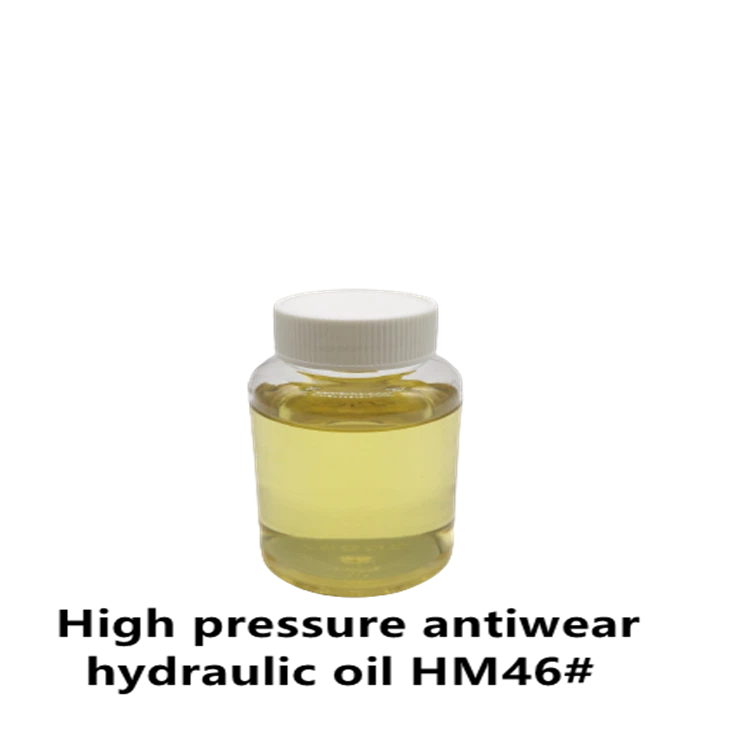
Ashless Hydraulic Oil HM46# is a type of Ash-free Anti-wear Hydraulic Oil designed to meet the demanding requirements of modern hydraulic systems. It is formulated with high - quality base oils and a carefully selected additive package. The "ashless" characteristic means that it contains minimal metal - containing additives that would form ash during combustion or operation. This helps to reduce deposits in the hydraulic system, ensuring smooth operation and longer equipment life.
The viscosity grade of HM46# indicates its thickness and flow properties at different temperatures. A viscosity of 46 cSt at 40°C makes it suitable for a wide range of operating temperatures and hydraulic applications, providing efficient power transfer and protection against wear and corrosion.
2. Positive Environmental Impacts
2.1 Reduced Deposits and System Efficiency
One of the significant environmental benefits of using Ashless Hydraulic Oil HM46# is its ability to keep hydraulic systems clean. Since it is ashless, there are fewer deposits formed in the system. This means that the hydraulic components, such as pumps, valves, and cylinders, can operate more efficiently. When a hydraulic system operates efficiently, it consumes less energy. Energy consumption is a major contributor to environmental pollution, especially when the energy is generated from fossil fuels. By reducing energy consumption, Ashless Hydraulic Oil HM46# indirectly helps to lower greenhouse gas emissions.
2.2 Longer Service Life and Reduced Waste
The high - quality formulation of Ashless Hydraulic Oil HM46# gives it a longer service life compared to some other hydraulic oils. This means that the frequency of oil changes is reduced. Frequent oil changes generate a significant amount of waste oil, which can be difficult to dispose of properly. If waste oil is not disposed of correctly, it can contaminate soil and water sources. By extending the service life of the oil, we can reduce the volume of waste oil generated, thus minimizing the environmental impact associated with oil disposal.
3. Negative Environmental Impacts
3.1 Raw Material Extraction and Refining
The production of Ashless Hydraulic Oil HM46# starts with the extraction of crude oil, which is a non - renewable resource. The extraction process can have significant environmental impacts, including habitat destruction, water pollution, and soil degradation. Additionally, the refining process requires a large amount of energy and water. Energy consumption during refining contributes to air pollution and greenhouse gas emissions, while water usage can strain local water resources and may lead to water pollution if the wastewater is not treated properly.
3.2 Potential for Spills and Leaks
During the storage, transportation, and use of Ashless Hydraulic Oil HM46# in hydraulic systems, there is always a risk of spills and leaks. Hydraulic oil spills can have severe environmental consequences. If the oil enters soil, it can contaminate the soil, making it difficult for plants to grow and affecting the entire ecosystem. When oil spills into water bodies, it can form a thin film on the water surface, blocking sunlight and reducing oxygen exchange. This can lead to the death of aquatic plants and animals, disrupting the aquatic ecosystem.
3.3 End - of - Life Disposal
Even though Ashless Hydraulic Oil HM46# has a longer service life, eventually, it will need to be disposed of. The disposal of used hydraulic oil is a challenging task. If it is incinerated, it can release harmful pollutants into the air, such as sulfur oxides, nitrogen oxides, and particulate matter. Landfilling of used oil is also not a good option as it can contaminate the soil and groundwater over time.
4. Mitigation Strategies
4.1 Sustainable Raw Material Sourcing
To address the issue of raw material extraction, some oil manufacturers are exploring sustainable sourcing options. This includes using renewable base oils, such as bio - based oils derived from plant sources. Bio - based oils can be a more sustainable alternative as they are renewable and generally have a lower carbon footprint compared to petroleum - based oils. Although the performance of bio - based oils may need to be further optimized to match that of Ashless Hydraulic Oil HM46#, ongoing research and development are making progress in this area.
4.2 Spill Prevention and Response
To minimize the risk of spills and leaks, proper storage and handling procedures should be implemented. This includes using appropriate storage containers, regular inspection of hydraulic systems for leaks, and having spill response plans in place. Spill response kits should be readily available at all sites where Ashless Hydraulic Oil HM46# is stored or used. These kits can contain absorbent materials, booms, and other equipment to quickly contain and clean up spills.
4.3 Proper Waste Oil Disposal
For end - of - life disposal, it is essential to follow strict environmental regulations. Waste oil can be recycled through processes such as re - refining, which can recover the base oil and reuse it in the production of new hydraulic oil. This reduces the demand for new raw materials and minimizes the environmental impact of waste oil disposal.
5. Comparison with Other Hydraulic Oils
When compared to other hydraulic oils, such as Ashless Hydraulic Oil HM68# with a higher viscosity, Ashless Hydraulic Oil HM46# has different environmental profiles. The higher viscosity of HM68# may make it more suitable for applications with higher loads or at lower temperatures, but it may also result in slightly higher energy consumption due to increased resistance to flow. On the other hand, compared to hydraulic oils with high levels of metal - containing additives, Ashless Hydraulic Oil HM46# has the advantage of reduced deposits and lower ash formation, which is beneficial for both system performance and the environment.
6. Conclusion and Call to Action
In conclusion, Ashless Hydraulic Oil HM46# has both positive and negative environmental impacts. While it offers benefits such as reduced energy consumption, longer service life, and cleaner system operation, it also poses challenges related to raw material extraction, potential spills, and waste disposal.

As a supplier, we are committed to minimizing the negative environmental impacts of our products. We are constantly researching and developing more sustainable formulations, promoting proper handling and disposal practices, and working with our customers to ensure that they are using our products in an environmentally responsible way.
If you are interested in learning more about Ashless Hydraulic Oil HM46# or have any questions regarding its environmental impact and application, we encourage you to reach out to us for a detailed discussion. Our team of experts is ready to assist you in making the most environmentally friendly and cost - effective choices for your hydraulic systems.
References
- ASTM International. Standard Specifications for Hydraulic Fluids. ASTM D6158.
- ISO (International Organization for Standardization). ISO 11158: Hydraulic fluids - Classification and requirements.
- Environmental Protection Agency (EPA). Guidelines for the Disposal of Waste Oil.


