

Hey there! As a supplier of Ashless Hydraulic Oil HM68#, I often get asked about the water content limit of this product. So, I thought I'd write a blog post to share some insights on this topic.
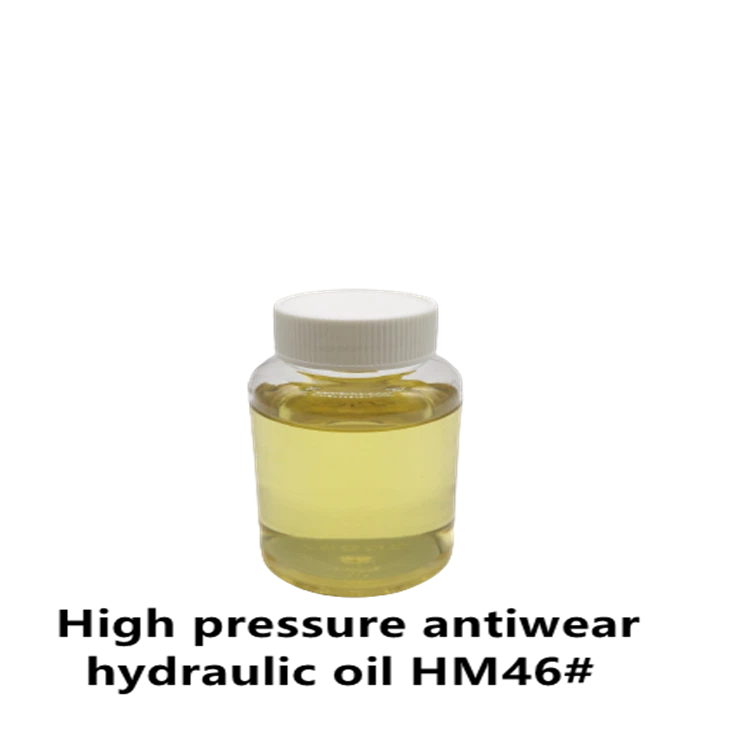

First off, let's talk about why water content matters in hydraulic oil. Water can cause a whole bunch of problems in a hydraulic system. For starters, it can lead to corrosion of metal components. When water mixes with the oil, it can form acids that eat away at the internal parts of the hydraulic system, reducing their lifespan and performance.
Secondly, water can also affect the lubricating properties of the oil. Hydraulic oil is designed to create a thin film between moving parts to reduce friction and wear. But when water is present, it can break down this film, leading to increased friction and potential damage to the system.
Another issue is that water can cause foaming in the hydraulic oil. Foam can reduce the efficiency of the hydraulic system by making it harder for the oil to transfer power. It can also lead to air entrainment, which can cause cavitation – a phenomenon where bubbles form and collapse in the oil, creating shock waves that can damage the system.
So, what's the water content limit for Ashless Hydraulic Oil HM68#? Well, the generally accepted limit for most hydraulic oils, including Ashless Hydraulic Oil HM68#, is around 200 - 300 parts per million (ppm). That means for every million parts of the oil, there should be no more than 200 - 300 parts of water.
However, it's important to note that this limit can vary depending on the specific application and operating conditions of the hydraulic system. For example, in some high - precision or critical applications, the water content limit may need to be even lower, perhaps as low as 100 ppm.
Now, how do we ensure that the water content in the oil stays within the acceptable limit? One way is through proper storage of the oil. The oil should be stored in a cool, dry place, away from sources of moisture. The storage containers should be sealed tightly to prevent water from getting in.
Regular oil analysis is also crucial. By regularly testing the oil, we can monitor the water content and take corrective action if it starts to approach or exceed the limit. There are various methods for testing the water content in hydraulic oil, such as the Karl Fischer titration method, which is a very accurate way to measure the amount of water in the sample.
If the water content in the oil is found to be too high, there are several ways to remove the water. One common method is through centrifugation, where the oil is spun at high speed to separate the water from the oil based on their different densities. Another option is using a vacuum dehydrator, which can remove water by creating a vacuum that lowers the boiling point of the water, causing it to evaporate from the oil.
As a supplier of Ashless Hydraulic Oil HM68#, I always make sure that our products meet the highest quality standards. Our oil is rigorously tested before it leaves the factory to ensure that the water content is well within the acceptable limit. We also provide our customers with detailed information on how to store and maintain the oil to keep it in optimal condition.
If you're interested in learning more about our Ashless Hydraulic Oil HM68# or other related products like Ashless Hydraulic Oil HM46# and Ash - free Anti - wear Hydraulic Oil, feel free to visit our website Ashless Hydraulic Oil HM68#. We're always here to help you find the right lubrication solutions for your hydraulic systems.
If you're in the market for high - quality hydraulic oil and want to discuss your specific needs, don't hesitate to reach out. We can provide you with detailed product information, technical support, and competitive pricing. Let's work together to keep your hydraulic systems running smoothly and efficiently.
References:
- "Hydraulic Fluids and Lubricants Handbook" by various industry experts.
- Technical data sheets from major hydraulic oil manufacturers.


