


Understanding the Critical Need for Antifreeze Protection
When temperatures drop below freezing, conventional oils undergo dangerous physical changes:
1. that threaten system integrity
2. The fluid's viscosity increases dramatically
3. In extreme cases, complete solidification can occur
Modern antifreeze solutions combat these issues through advanced chemical formulations that maintain fluidity in subzero conditions. These specialized additives work by interrupting the molecular bonding that causes oil thickening, allowing hydraulic systems to function smoothly even in arctic temperatures. The protection extends beyond just flow characteristics - premium antifreeze compounds also prevent ice crystal formation that can damage precision components.
Selecting the Optimal Antifreeze Formula
Temperature-Specific Formulations
• Mild climates (-10°C to -20°C): Propylene glycol blends
• Extreme cold (-20°C to -40°C): Synthetic ester compounds
• Arctic conditions (below -40°C): Custom fluorinated solutions
Material Compatibility Considerations
Hydraulic system components vary widely in their material composition, requiring careful antifreeze selection:
•Nitrile seals: Compatible with most glycol blends
•Polyurethane components: Require phosphate-free formulas
•Metal alloys: Need corrosion-inhibited versions
Implementation Best Practices
Proper antifreeze integration requires more than simple fluid substitution. Follow this phased approach:
1. System Flushing
Remove all existing fluid and contaminants using manufacturer-approved cleaning agents. Residual particles can degrade antifreeze performance.
2. Concentration Verification
Use refractometers to confirm proper additive levels. Under-dosing reduces effectiveness while over-concentration wastes resources.
3. Performance Testing
Conduct controlled cold-start trials before full deployment. Monitor:
•Pump cavitation levels
•Valve response times
•Pressure buildup rates
Maintenance Protocols for Long-Term Protection
Regular antifreeze condition monitoring prevents unexpected failures:
Monthly Checks:
✓ Freezing point verification
✓ Water content analysis
✓ Additive depletion testing
Quarterly Actions:
• Filter replacement
• Corrosion potential assessment
• Viscosity profiling
Emerging Technologies in Cold-Weather Hydraulics
The antifreeze market continues evolving with innovative solutions:
Nano-enhanced formulas providing better thermal transfer
Self-healing additives that repair micro-cracks
Environmentally-degradable options for sensitive areas
Smart fluids with temperature-responsive viscosity
Cost-Benefit Analysis
While premium antifreeze solutions carry higher upfront costs, they deliver measurable long-term value:
60-75% reduction in cold-weather failures
40% longer component lifespan
30% improvement in winter efficiency
50% decrease in emergency repairs
For operations in seasonal climates, the investment typically pays for itself within two winter cycles through avoided downtime and repair expenses.
Final Recommendations
Selecting the proper antifreeze requires balancing:
Lowest expected operating temperature
System material compatibility
Environmental regulations
Maintenance capabilities
Budget constraints
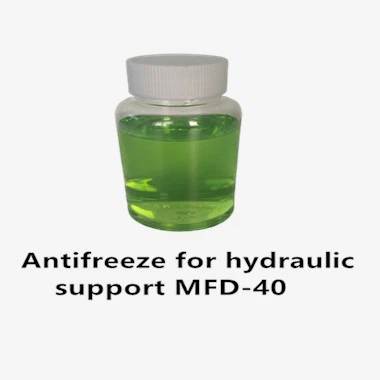

Consult our fluid specialists to conduct a comprehensive needs assessment before implementation. Remember that proper storage (cool, dry conditions) preserves antifreeze effectiveness between uses.


